Category Archives: Uncategorized
Annual Corporate Gifting Calendar for Indian Businesses

Why an Annual Corporate Gifting Calendar Matters for Indian Companies
India’s business calendar is unlike any other. Between national holidays, regional festivals, HR milestones, and sales cycles, there are well over 20 meaningful gifting touchpoints every year. Companies that plan for these moments — rather than just Diwali — build a compounding advantage in employer branding and client relationships. Here’s what a well-planned gifting calendar delivers:- Better budget control — Spread your annual gifting spend evenly instead of blowing it all in Q3.
- Faster turnaround — Ordering customised gifts in advance means no last-minute panic, quality compromises, or missed deadlines.
- Higher brand recall — Consistent, thoughtful gifting keeps your brand top-of-mind all 12 months.
- Stronger employee retention — Regular recognition, not just annual bonuses, is proven to reduce attrition in India’s competitive job market.
- Cultural sensitivity — Planning ahead lets you acknowledge regional festivals across your workforce — Pongal in Tamil Nadu, Onam in Kerala, Durga Puja in Bengal — building genuine inclusion.
The Complete Annual Corporate Gifting Calendar — Month by Month
January — New Year & Fresh Starts
Budget Range: ₹500 – ₹2,500 per person Key Occasions: New Year (Jan 1), Makar Sankranti / Pongal / Lohri (Jan 14–15), Republic Day (Jan 26) January sets the tone for the entire year. New Year gifting is universally appreciated and gives you an early chance to strengthen client relationships and energise your team before the quarter gets busy.- For employees: Branded custom planners and desk organisers, motivational desk accessories, personalised mugs — ₹500 to ₹1,200 per kit
- For clients: Premium curated gift boxes with branded stationery, gourmet hampers, or tech accessories — ₹1,500 to ₹2,500
- For new hires joining in January: A well-designed New Joiner Kit — the most impactful first-day experience — ₹1,000 to ₹3,500
- Regional touch: Tilgul (sesame-jaggery sweets) hampers for Makar Sankranti resonate deeply with employees and clients in Maharashtra and Gujarat
February — Appreciation & Relationships
Budget Range: ₹300 – ₹1,500 per person Key Occasions: Valentine’s Day (Feb 14), Employee Appreciation Day (First Friday of March — plan in Feb) February is often overlooked in corporate gifting, but it’s a powerful month to show your team they’re valued outside of performance cycles. A warm, thoughtful gesture mid-quarter boosts morale without the pressure of festive expectations.- Personalised wellness kits — aromatherapy, skincare sets, or gourmet teas — ₹600 to ₹1,200
- Branded premium drinkware (insulated bottles, travel mugs) — ₹400 to ₹900
- Thank-you hampers for long-tenure employees with handwritten notes
- Client relationship gifting: curated snack boxes or artisanal Indian food hampers
March — Holi & Q4 Client Appreciation
Budget Range: ₹500 – ₹2,000 per person Key Occasions: Holi (March), International Women’s Day (Mar 8), Financial Year End Holi is a vibrant, joyful festival that translates naturally to corporate gifting. It’s also the Indian financial year-end — an ideal moment to appreciate key clients and close-out vendors with meaningful gestures.- Holi hampers: Herbal gulal sets, artisanal sweets, organic skincare — ₹700 to ₹1,500
- Women’s Day gifting: Self-care kits, wellness accessories, personalised jewellery boxes for female employees and clients — ₹800 to ₹2,000
- Year-end client gifting: Luxury CXO-level gift sets for top accounts — ₹2,500 to ₹7,000
- Branded colourful customised T-shirts for team Holi events — ₹350 to ₹800 per piece
April — New Financial Year & Onboarding Season
Budget Range: ₹800 – ₹3,500 per kit Key Occasions: New Financial Year (Apr 1), Ugadi / Telugu & Kannada New Year, Baisakhi (Apr 13–14), Campus Hiring Onboarding April marks the start of the Indian financial year and a major hiring season — especially for IT, BFSI, and consulting companies in Bangalore, Pune, and Hyderabad. First impressions matter enormously here.- New Joiner Welcome Kits: Branded onboarding kits including laptop bags, T-shirts, notebooks, water bottles, and welcome letters — ₹1,500 to ₹4,500 per kit
- New year hampers (Ugadi / Baisakhi): Traditional sweets, brass diyas, and personalised notes — ₹800 to ₹1,500
- Sales team motivation gifts to kick off the new fiscal year — ₹1,000 to ₹2,500
- Branded laptop bags and backpacks for new joiner cohorts — ₹1,200 to ₹3,500
May — Mid-Year Morale & Mother’s Day
Budget Range: ₹400 – ₹2,000 per person Key Occasions: Mother’s Day (Second Sunday), International Workers’ Day (May 1), Mid-year performance reviews May can feel like a slow corporate month, but that’s exactly what makes gifting impactful — it’s unexpected and genuine. Companies that recognise employees between major cycles see significantly higher engagement scores.- Personalised thank-you gifts for employees who completed appraisal cycles
- Mother’s Day gifting for female employees with young children — wellness kits, spa vouchers, plant hampers
- Eco-friendly corporate gifts — seed paper stationery, bamboo products, indoor plants — ₹400 to ₹1,200
- Mid-year client check-in gifts — branded desk accessories or premium diaries
June — Mid-Year Recognition & Monsoon Gifting
Budget Range: ₹500 – ₹2,500 per person Key Occasions: Mid-Year Employee Recognition, Eid-ul-Adha (date varies), Father’s Day (Third Sunday) June offers a natural mid-point checkpoint. Companies running half-yearly recognition programmes find this month ideal for gifting top performers. Eid gifting is also important for inclusive workplaces.- Half-yearly performance gifts: Tech gadgets (portable chargers, Bluetooth speakers, wireless earphones) — ₹1,200 to ₹3,500
- Eid gifting: Gourmet date hampers, personalised prayer mats, premium dry fruit boxes — ₹700 to ₹2,000
- Monsoon essentials: Branded umbrellas, anti-microbial tote bags, and travel accessories — ₹500 to ₹1,500
July — Work Anniversaries & Team Building
Budget Range: ₹800 – ₹5,000 per person Key Occasions: Work Anniversary Season, Long-Service Awards, Team Outings Many Indian companies conduct work anniversary celebrations in July — coinciding with mid-year HR reviews. Long-service recognition is one of the highest-ROI gifting categories, with strong correlation to employee retention.- 1-year milestone: Personalised wooden photo frame or engraved keepsake — ₹800 to ₹1,500
- 3-year milestone: Premium branded swag packs with apparel, accessories, and a personalised letter — ₹1,500 to ₹3,000
- 5+ year milestone: Luxury executive gift sets — leather wallets, premium pens, watches — ₹3,000 to ₹8,000
- Event giveaways for team-building outings — branded T-shirts and water bottles — ₹400 to ₹900
August — Independence Day & Wellness Gifting
Budget Range: ₹500 – ₹2,000 per person Key Occasions: Independence Day (Aug 15), Raksha Bandhan (date varies), Onam (date varies) August is deeply patriotic and community-focused in India. Independence Day gifting is an excellent opportunity to reinforce your company’s values — especially if you’re inclined towards made-in-India, sustainable, or handcrafted products.- Independence Day: Made-in-India product hampers — khadi products, handloom accessories, artisan crafts — ₹600 to ₹1,800
- Raksha Bandhan: Thoughtful rakhi hampers for employees celebrating with family — sweets, dry fruits, personalised gift boxes — ₹500 to ₹1,200
- Onam hampers for Kerala-based employees and clients — traditional savouries, coconut oil sets, banana chips — ₹700 to ₹1,500
- Wellness gifts: Yoga mats, fitness bands, herbal health kits — ₹800 to ₹2,000
September — Pre-Festive Season Preparation
Budget Range: ₹500 – ₹2,500 per person Key Occasions: Teacher’s Day (Sep 5), Ganesh Chaturthi (date varies), Pre-festive gifting orders September is the calm before India’s gifting storm. This is the single most important month to plan and place orders for Diwali, Navratri, and Q4 gifting. Vendors get overwhelmed in October — early September orders guarantee quality, availability, and customisation.- Teacher’s Day: Personalised gift hampers for trainers, L&D teams, and mentors in your company
- Ganesh Chaturthi: Eco-friendly Ganesh idols, modak hampers, branded diyas — popular in Maharashtra, Karnataka, Andhra
- Pre-Diwali order placement: Finalise recipient lists, approve branding, and confirm quantities with your gifting vendor now
- This is also ideal timing to plan conference and event promotional gifts for Q4 industry events
October — The Festive Heart of India
Budget Range: ₹1,000 – ₹5,000 per person Key Occasions: Navratri, Dussehra / Ayudha Puja, Karwa Chauth, Gandhi Jayanti (Oct 2) October is the beginning of India’s peak gifting season. Navratri and Dussehra are culturally significant — and Ayudha Puja (the worship of tools and instruments) in South India is particularly relevant for tech companies gifting their engineering teams.- Navratri: Fasting-friendly hampers with makhana, dry fruits, and herbal teas — ₹700 to ₹1,500
- Dussehra / Ayudha Puja: Productivity tools, premium notebooks, branded desk organisers — ₹1,000 to ₹2,500
- Tiered gifting strategy:
- Junior employees: Branded drinkware + snack kit — ₹1,000 to ₹1,500
- Mid-level: Curated swag packs with apparel and accessories — ₹1,500 to ₹2,500
- Senior leadership and clients: Premium CXO gift sets — ₹3,000 to ₹7,000
November — Diwali: India’s Biggest Corporate Gifting Moment
Budget Range: ₹1,200 – ₹8,000 per person Key Occasions: Diwali, Dhanteras, Bhai Dooj, Guru Nanak Jayanti Diwali is India’s Super Bowl of corporate gifting. It is the single most important gifting occasion in the Indian corporate calendar — no company can afford to get it wrong. Done well, Diwali gifting builds lasting loyalty. Done poorly, it damages your employer brand.- Employees (All levels): Curated Diwali gift boxes — premium dry fruit sets, artisanal sweets, branded diyas, silver coins — ₹1,200 to ₹2,500
- Key clients & partners: Luxury hampers with premium chocolates, branded accessories, and personalised notes — ₹2,500 to ₹5,000
- CXO & top accounts: Executive Diwali gift sets — leather portfolios, premium pens, silver artefacts — ₹4,000 to ₹10,000
- Vendor & associate gifts: Budget-friendly branded gift boxes with sweets or snacks — ₹600 to ₹1,200
- Always include custom branded packaging with your logo, a personalised Diwali card, and a warm message from leadership
December — Year-End & Christmas Gifting
Budget Range: ₹800 – ₹5,000 per person Key Occasions: Christmas (Dec 25), Year-End Team Parties, Annual Day Events, New Year’s Eve December is a time of celebration and reflection. Annual Day events, year-end parties, and Christmas gifting make this one of the most socially active months in Indian corporate life — particularly in metro cities and MNCs.- Christmas / Year-End employee gifts: Gourmet hampers, personalised ornaments, premium chocolates, branded apparel — ₹1,000 to ₹2,500
- Annual Day awards: Custom trophies and engraved awards for performance recognition — ₹800 to ₹3,000
- Client year-end gifting: Premium leather notebooks, branded desk sets, luxury hampers — ₹2,000 to ₹5,000
- Event giveaways for year-end parties and conferences: branded swag and promotional gifts — ₹300 to ₹800 per piece
- Plan New Year gifts in December for early January delivery — beat the rush and make a stronger impression
Annual Corporate Gifting Budget Planner (Indian Pricing Guide)
One of the most common challenges HR and procurement teams face is budgeting accurately across all gifting occasions. The table below provides a realistic annual reference for Indian companies, segmented by recipient tier.| Occasion | Month | Employee (Per Person) | Client / Partner | CXO / Premium |
| New Year Hamper | January | ₹500 – ₹1,200 | ₹1,500 – ₹2,500 | ₹3,000 – ₹5,000 |
| New Joiner Kit | Year-round | ₹1,000 – ₹3,500 | — | ₹3,500 – ₹6,000 |
| Women’s Day / Feb Gift | Feb / Mar | ₹500 – ₹1,200 | ₹800 – ₹1,800 | ₹2,000 – ₹4,000 |
| Holi Hamper | March | ₹700 – ₹1,500 | ₹1,200 – ₹2,000 | ₹2,500 – ₹5,000 |
| Independence Day | August | ₹600 – ₹1,500 | ₹1,000 – ₹2,000 | ₹2,000 – ₹4,000 |
| Work Anniversary Award | Year-round | ₹800 – ₹3,000 | — | ₹5,000 – ₹10,000 |
| Navratri / Dussehra | October | ₹1,000 – ₹2,500 | ₹1,500 – ₹3,000 | ₹3,000 – ₹7,000 |
| Diwali Gift Set | October / Nov | ₹1,200 – ₹2,500 | ₹2,500 – ₹5,000 | ₹4,000 – ₹10,000 |
| Christmas / Year-End | December | ₹800 – ₹2,000 | ₹2,000 – ₹4,000 | ₹3,000 – ₹6,000 |
Gifting by Recipient: Who, What, and When in India
For Employees
Employee gifting is your most powerful retention and engagement tool. In India’s competitive talent market — especially in IT, fintech, and consulting hubs like Bengaluru, Pune, and Gurugram — feeling valued has a direct impact on attrition. The key is consistency: don’t gift only at Diwali. Use the calendar to acknowledge onboarding, work anniversaries, performance milestones, and cultural festivals throughout the year.- Onboarding: New Joiner Kits
- Performance: Swag packs, tech gadgets, branded apparel
- Festivals: Curated hampers, luxury boxes, personalised items
- Long service: Engraved awards, premium accessories, experience vouchers
For Clients and Business Partners
Client gifting in India is relationship-first. A well-timed gift before a contract renewal or after a successful project delivery speaks louder than any email. The best client gifts are practical, premium, and carry your brand without being overtly promotional.- Onboarding a new client: Welcome hamper with branded stationery — ₹1,500 to ₹3,000
- Project completion: Gourmet hamper or luxury gift set
- Diwali & festivals: Premium curated boxes with personalised notes
- Annual appreciation: Branded executive accessories — ₹2,500 to ₹6,000
For CXOs and Senior Leadership
Senior leadership gifts demand a different standard. Generic hampers won’t do. This segment calls for exclusivity, craftsmanship, and personalisation — engraved names, premium packaging, limited-edition products. Ridgegap’s Luxury & CXO Gifting range is purpose-built for this audience, with options from ₹3,500 to ₹15,000+.For Events and Conferences
If your company attends or hosts industry events, conferences, trade shows, or product launches, branded giveaways are non-negotiable. The right event gift doubles as a walking advertisement for your brand. Popular options include branded bags, tech accessories, and co-branded merchandise. Ridgegap’s Events & Conference Gifting solutions are designed for bulk orders with fast turnaround times.5 Gifting Opportunities Most Indian Companies Miss
Based on Ridgegap’s experience with 300+ corporate clients across India, here are five gifting touchpoints that most companies overlook — and that deliver outsized returns when done right:- Regional festival gifting — Pongal, Onam, Bihu, Durga Puja, Eid, Gurupurab: acknowledging regional festivals is one of the most powerful inclusion signals you can send to a diverse workforce.
- Client onboarding gifts — Most companies gift clients at Diwali, but almost none gift at onboarding. A branded welcome hamper within the first week of engagement creates a memorable first impression.
- Work-from-home essentials gifting — With hybrid work now the norm, quarterly WFH kit drops (webcam covers, cable organisers, ergonomic accessories) are genuinely useful and appreciated.
- Health & wellness gifting — Indian companies underinvest here. Yoga kits, digital detox accessories, and mental wellness hampers are rising fast in employee preference surveys.
- Sustainable & eco-friendly gifting — ESG-conscious companies are shifting to sustainable corporate gifting — bamboo products, recycled paper stationery, organic consumables — which also resonate strongly with Gen Z employees.
How to Plan Your Corporate Gifting Calendar: Step-by-Step
- Step 1 — Map your occasions: List all national holidays, regional festivals, HR milestones (onboarding batches, appraisal cycles, work anniversaries), and company events for the year.
- Step 2 — Segment your recipients: Employees (junior/mid/senior), clients (A/B/C tier), partners, and vendors each need different gift strategies and budgets.
- Step 3 — Set your annual budget: A typical Indian mid-size company allocates ₹2,500 to ₹4,000 per employee annually for recognition and gifting, excluding festival hampers.
- Step 4 — Choose a gifting partner: Work with a corporate gifting company in India that offers end-to-end services — sourcing, branding, packaging, and pan-India delivery.
- Step 5 — Build in lead times: Place bulk and customised orders 4–8 weeks before the occasion. For Diwali, start in September.
- Step 6 — Track and iterate: Gather feedback from employees and clients on gifts received. What’s kept, used, and appreciated informs next year’s strategy.
Why Choose Ridgegap for Your Annual Corporate Gifting in India
Ridgegap is a Bengaluru-based corporate gifting company with over 10 years of experience, 300+ brand partnerships, and 20,000+ packages delivered pan-India. Whether you’re planning a 50-person Diwali hamper order or a 2,000-unit new joiner kit rollout, Ridgegap delivers quality, customisation, and on-time reliability.- 5,000+ curated gifting products across 20+ categories
- In-house branding and personalisation team
- Bulk order discounts and transparent pricing
- Pan-India delivery with real-time tracking
- Trusted by Google, Amazon, JP Morgan, Mercedes-Benz, BigBasket, and 300+ more
Additional Resources
- Corporate Gifting for Gen Z Employees: A Complete 2026 Guide
- Quarterly Appreciation Gifting vs Annual Bonuses: What Works Better?
- Smart Office Gadgets for Employee Gifting 2026
- Corporate Holiday Gifts Under ₹500, ₹1,000, ₹1,500 in India
- Corporate Gifting Mistakes That Damage Employer Brand
Frequently Asked Questions (FAQs)
Q1. What is an annual corporate gifting calendar and why do Indian companies need one?
An annual corporate gifting calendar is a planned schedule of gifting occasions throughout the year — covering festivals, HR milestones, client touchpoints, and company events. Indian companies need one because the country has a uniquely dense calendar of gifting occasions (Diwali, Holi, Onam, Dussehra, New Year, Independence Day, and more). Planning ahead prevents last-minute scrambling, ensures better gift quality, allows for customisation, and keeps your budget under control. It also signals a culture of consistent appreciation to employees and clients.Q2. How much should an Indian company spend on corporate gifts per year?
Most mid-to-large Indian companies budget between ₹2,500 and ₹5,000 per employee annually for recognition and festive gifting, excluding onboarding kits. For clients, per-occasion spends typically range from ₹1,500 (standard tier) to ₹8,000+ (CXO and premium accounts). Annual total spend varies significantly by company size, industry, and gifting culture — IT and BFSI companies in Bangalore and Mumbai tend to be the highest spenders.Q3. What are the most important corporate gifting occasions in India?
The most important occasions for corporate gifting in India are: Diwali (November — the single biggest occasion), New Year (January), Holi (March), Independence Day (August), Navratri/Dussehra (October), and Christmas/Year-End (December). Beyond festivals, onboarding, work anniversaries, performance recognition, and project milestones are equally critical for employee engagement.Q4. How early should I place bulk Diwali gifting orders in India?
Ideally, finalise your Diwali gift plan and place your order by early September — at least 6–8 weeks before Diwali. Customised gifts (logo branding, personalised packaging, engraving) require additional lead time. Waiting until October means risking stock shortages, rushed branding, and delayed deliveries during India’s peak logistics season.Q5. Are corporate gifts tax-deductible in India?
Yes, corporate gifts to business clients and partners are deductible as a business expense under Section 37(1) of the Income Tax Act, subject to the condition that they are given in the course of business and are not personal in nature. Gifts to employees are treated differently — they are taxable in the hands of the employee if the value exceeds ₹5,000 per year (per perquisite rules under Section 17). It’s advisable to consult your company’s CA for specific guidance.Q6. What are the best corporate gifts for employees in India?
The most appreciated corporate gifts for Indian employees in 2026 include: branded tech gadgets (wireless earphones, portable chargers), personalised drinkware and bags, premium curated gift boxes, wellness kits, customised apparel, and eco-friendly products. For onboarding, a comprehensive New Joiner Kit that includes branded bags, apparel, stationery, and a welcome note is consistently rated as one of the best first impressions an employer can make.Q7. Can corporate gifting companies in India deliver pan-India?
Yes. Most organised corporate gifting companies in India, including Ridgegap, offer pan-India delivery with real-time tracking. This is especially relevant for companies with distributed workforces across cities like Bengaluru, Mumbai, Delhi, Hyderabad, Pune, Chennai, and Kolkata. Always confirm delivery timelines during peak seasons (Diwali especially) when logistics networks are under pressure.Q8. What is the minimum order quantity for corporate gifting in India?
Most corporate gifting companies in India, including Ridgegap, have a minimum order quantity (MOQ) that typically starts at 25–50 units for standard gifts and may vary for customised or luxury items. Volume discounts usually kick in at 100+ units, with further savings at 500+ and 1,000+ unit orders. For small teams, bespoke or semi-custom options are available at lower MOQs.Q9. What are the trending corporate gifting ideas in India for 2026?
The top corporate gifting trends in India for 2026 include: sustainable and eco-friendly gifts (bamboo products, seed paper, organic consumables), personalised tech accessories, wellness-focused hampers, regional artisan and handcraft gifts (supporting local makers), phygital gifts (physical items paired with digital experiences or QR-code-linked messages), and gender-neutral, culturally inclusive gift sets.Q10. How do I choose the right corporate gifting partner in Bangalore / India?
Look for a partner that offers: a wide, regularly updated product catalogue; in-house customisation and branding capabilities; transparent pricing with no hidden costs; reliable pan-India logistics; a dedicated account manager; and the ability to handle both small and large bulk orders. Reading verified reviews and requesting samples before committing to bulk orders is also strongly recommended. About Ridgegap: Ridgegap is a leading corporate gifting company based in Bengaluru, Karnataka, serving companies across India. With 10+ years of experience, 5,000+ products, and 300+ brands, Ridgegap delivers end-to-end corporate gifting solutions for employees, clients, and partners. Contact us today for a free consultation and quote.Employee Retention Through Gifting in India: A 2026 Guide

The Retention Crisis Hitting Indian Companies Right Now
India’s corporate sector is quietly bleeding talent. According to a 2025 Deloitte India report, voluntary attrition rates in sectors like IT, BFSI, and e-commerce hover between 18% and 35% annually — some of the highest figures in Asia-Pacific. Replacing a single mid-level employee costs a company anywhere between 50% to 200% of that employee’s annual salary when you factor in recruitment fees, onboarding time, productivity loss, and training investment. The business case for retention has never been clearer. And yet, many Indian organisations still rely solely on salary hikes and designations to keep talent in place — ignoring one of the most cost-effective, psychologically powerful tools available: strategic employee gifting. This is not about handing out Diwali sweets or generic pen sets once a year. Done right, employee retention through gifting is a structured, data-backed engagement strategy that creates emotional connection, signals genuine appreciation, and makes your best people feel seen, valued, and loyal to your organisation. In this guide, we break down exactly how gifting drives retention, when to gift, what to gift at every budget, and how companies across Bengaluru, Mumbai, Hyderabad, Delhi, and Pune are using Ridgegap’s corporate gifting solutions to build workplaces where people genuinely want to stay.Why Gifting Works: The Psychology Behind Employee Retention
Before diving into budgets and gift lists, it helps to understand why gifting has such a measurable impact on employee retention. The answer lies in a combination of behavioural psychology and organisational behaviour research. The reciprocity principle: when someone receives something meaningful and unexpected, they feel a natural pull to reciprocate. In a workplace context, that reciprocation often manifests as increased loyalty, higher discretionary effort, and reduced likelihood of job-searching. Emotional salary: Gallup’s State of the Global Workplace research consistently shows that employees who feel recognised are 23% more engaged and 31% less likely to leave. Recognition — whether verbal, monetary, or through gifts — fills a psychological need for belonging that a salary alone cannot meet. Perceived organisational support (POS): this is the degree to which employees believe their company values their contribution and cares about their wellbeing. Research in the Journal of Applied Psychology links high POS directly to lower turnover intention. Thoughtful, timely gifts are one of the most tangible ways to build POS. The data from India backs this up: 57% of HR leaders confirmed that gifting positively influenced retention rates, and 85% of employees said a strong recognition culture, including gifting, would influence them to recommend their employer to others. The numbers are unambiguous. Gifting, when done strategically, is not a cost — it is a retention investment with measurable ROI.The 6 High-Impact Gifting Moments That Drive Employee Retention in India
The biggest mistake companies make with gifting is treating it as a one-time annual activity — usually around Diwali — rather than a year-round retention touchpoint. Research shows that consistent, occasion-specific gifting is far more effective at building loyalty than a single expensive gesture. Here are the six gifting moments that have the highest impact on employee retention in Indian organizations:1. New Joiner Welcome Kits – First Impressions That Last
The first week at a new company is critical. Studies show that 20% of employee turnover happens within the first 45 days of joining. A well-curated new joiner welcome kit immediately signals to a new employee that they are valued, expected, and welcomed. A premium new joiner kit from Ridgegap might include a branded backpack, customised notebook, quality pen, branded T-shirt, a company culture booklet, and a personalised welcome note from the leadership team. Starting from ₹1,500 per kit, these go a long way in reducing early attrition. Explore Ridgegap’s New Joiner Kit Solutions. Retention Impact: Companies with structured onboarding kits report up to 50% higher new hire retention at the 12-month mark.2. Work Anniversary Milestones – Celebrating Loyalty
One of the most underused retention tools in Indian companies is the work anniversary gift. Most organisations send a generic email or a LinkedIn shoutout — and wonder why employees feel unappreciated. A tiered milestone gifting programme makes employees feel truly celebrated:- 1-year anniversary: Personalised drinkware set or branded desk accessories (₹500–₹1,200)
- 3-year anniversary: Premium backpack or wireless earbuds (₹1,800–₹3,000)
- 5-year anniversary: Luxury hamper or smartwatch (₹4,000–₹8,000)
- 10-year anniversary: Executive gift set or personalised trophy + luxury experience (₹8,000+)
3. Festival Gifting – Cultural Connection That Builds Belonging
India’s rich festival calendar — Diwali, Holi, Eid, Christmas, Pongal, Onam, Baisakhi — gives companies a natural, culturally resonant gifting calendar. Festival seasons, particularly Diwali and New Year, account for 40–45% of annual corporate gifting expenditure in India. Festival gifting works because it taps into something deeply cultural. When a company acknowledges Diwali with a thoughtful curated hamper rather than a generic sweet box, employees feel that the organisation sees them as people, not just resources. Ridgegap’s Curated Gift Boxes are designed for exactly this — festive-themed hampers with premium packaging, branded elements, and customisation options starting from ₹799 per box, delivered pan India.4. Performance Recognition Gifts – Rewarding Excellence in Real Time
One of the most powerful retention levers is immediate recognition tied to performance. When an employee closes a big deal, leads a successful product launch, or goes above and beyond for a client, a timely gift alongside verbal recognition creates a powerful emotional memory associated with your organisation. Unlike annual bonuses (which are expected and already “priced in” by employees), a surprise performance gift triggers genuine delight. The element of unexpectedness amplifies the emotional impact significantly. Performance recognition gift ideas for Indian companies (per individual):- ₹1,000–₹2,500 — Wireless earbuds, premium notebook set, branded apparel
- ₹2,500–₹5,000 — Smart fitness band, premium laptop bag, luxury hamper
- ₹5,000+ — Tablet accessories, executive pen set, weekend experience voucher
5. Life Event & Personal Milestone Gifts – When the Personal Becomes Professional
Gifting employees on personal milestones — a wedding, a new baby, a personal achievement — creates an emotional connection that no salary increment can replicate. It says: we see you as a human being, not just a headcount. Indian companies that practise this kind of personal milestone gifting consistently rank higher on employer brand perception surveys and lower on voluntary attrition metrics. Simple, thoughtful gestures work best here — a curated hamper (₹1,500–₹3,000), a premium home-and-living gift (₹2,000–₹4,000), or a personalised keepsake. The ROI on a ₹2,000 baby shower gift is immeasurable in terms of the loyalty it generates.6. Quarterly Appreciation Gifting – Sustaining Engagement Between Big Moments
Rather than relying on Diwali alone, forward-thinking Indian companies are adopting quarterly gifting cadences — smaller, more frequent gestures that keep engagement high throughout the year. This could be as simple as a monthly desk accessory subscription or a quarterly wellness hamper. Read Ridgegap’s detailed analysis on Quarterly Appreciation Gifting vs Annual Bonuses to understand which approach delivers better retention outcomes for your team size and industry.Building a Retention-Focused Employee Gifting Strategy: Step by Step
A scattershot gifting approach — buying random gifts when you remember to — will not move the retention needle. What works is a deliberate, budgeted, occasion-mapped gifting programme. Here’s how to build one for your Indian organisation: Step 1: Define your retention goals. Are you trying to reduce early attrition (first 6 months)? Retain mid-senior performers at the 3–5 year mark? Strengthen loyalty across a distributed team? Your retention challenge determines your gifting focus. Step 2: Map your gifting calendar. Identify all key occasions across the year — onboarding, work anniversaries, festivals (Diwali, New Year, Holi, Christmas, regional festivals), performance milestones, and life events. Build a 12-month gifting calendar. Step 3: Set tiered budgets. Most Indian companies find the following tiered structure effective:- General workforce: ₹500–₹1,500 per gift occasion
- Mid-level/senior employees: ₹1,500–₹3,500 per gift occasion
- Leadership/CXO level: ₹4,000–₹10,000 per gift occasion
Best Employee Retention Gift Ideas for Indian Companies: Budget-Wise
Budget ₹500 – ₹1,200: Everyday Appreciation Gifts
These are ideal for team-wide gifting, quarterly touches, and festival occasions.- Branded stainless steel water bottles (Borosil, Milton): ₹450–₹750. See Ridgegap’s Drinkware Range
- Customised notebooks + premium pen sets: ₹500–₹900. Browse Ridgegap’s Office Stationery
- Branded tote bags or eco-friendly pouches: ₹350–₹700. Explore Sustainable Gifting
- Desk accessories set (cable organiser, phone stand, sticky notes): ₹600–₹1,000
- Personalised mugs: ₹350–₹550
Budget ₹1,200 – ₹2,500: Mid-Range Retention Gifts
Perfect for milestone recognition, work anniversaries, and festival hampers for core team members.- Curated wellness hamper (herbal teas, scented candle, face mist, branded mug): ₹999–₹1,800. See Ridgegap’s Curated Gift Boxes
- Branded backpack or laptop sleeve: ₹1,200–₹2,000. Browse Ridgegap’s Laptop Bags & Backpacks
- Customised T-shirt + cap combo: ₹1,200–₹1,800. Explore Ridgegap’s Custom T-Shirts
- Portronics or Noise Bluetooth speaker: ₹1,500–₹2,500
- Premium gourmet hamper (artisan chocolates, dry fruits, premium tea): ₹1,500–₹2,500
- Swag Pack (branded bottle + notebook + tee + pen): ₹1,800–₹2,500. See Ridgegap’s Swag Packs
Budget ₹2,500 – ₹5,000: Premium Retention & Recognition Gifts
Reserved for top performers, long-serving employees, and senior team members.- Smart fitness band (Noise, Boat, Fitbit Inspire): ₹2,999–₹4,500
- Wireless over-ear headphones (JBL, Sony, Noise Cancelling): ₹2,500–₹5,000
- Premium laptop bag (Skybags, Swiss Military, Wildcraft): ₹2,500–₹4,000
- Executive desk set (premium pen + leather cardholder + personalised plaque): ₹3,000–₹5,000
- Luxury rigid hamper box (premium skincare + silk accessory + gourmet chocolates + candle): ₹3,500–₹5,500. See Ridgegap’s Luxury Gifting
Budget ₹5,000+: Leadership & Long-Tenured Retention Gifts
For CXO-level recognition, decade-long employees, or high-value retention situations.- Smartwatch (Noise Icon Ultra, Amazfit, Samsung Galaxy Watch) — ₹5,000–₹15,000
- Parker/Sheaffer/Cross premium pen collection — ₹5,000–₹12,000
- Premium travel accessories set (American Tourister luggage tag + passport holder + travel organiser) — ₹5,000–₹8,000. See Ridgegap’s Travel Accessories
- Full custom executive swag pack (branded laptop bag + smart organiser + premium tumbler + tech accessories) — ₹6,000–₹10,000
- Experience vouchers (spa, resort, adventure experiences) — ₹5,000–₹15,000
Gifting for Remote & Hybrid Teams: No Employee Left Behind
India’s post-pandemic workforce is permanently distributed. A gifting strategy that only works for office-based employees is not a retention strategy — it’s a loyalty gap waiting to widen. Here is how leading Indian companies are solving retention gifting for remote and hybrid teams:- Doorstep delivery at scale: Ridgegap delivers corporate retention gifts to employees’ home addresses across all Indian cities and Tier 2 towns. From Bengaluru to Bhubaneswar, from Chennai to Chandigarh — no employee is out of reach.
- Digital unboxing experience: pair a physical gift with a digital card, a video message from the leadership team, or a virtual celebration to ensure remote employees feel just as celebrated as their in-office counterparts.
- Address collection workflows: Ridgegap’s team helps HR managers coordinate address collection from distributed teams, making logistics the least of your worries.
The Real Cost of NOT Gifting: What Employee Attrition Actually Costs You
Let’s put the retention-through-gifting debate in stark financial terms. If your company has 200 employees and your voluntary attrition rate is 20%, you are losing 40 employees per year. Replacing each mid-level employee conservatively costs ₹3–5 lakh (recruitment fees, training time, productivity gap, team disruption). That’s ₹1.2 crore to ₹2 crore annually in replacement costs alone — for a company of 200 people. A structured annual gifting programme for 200 employees at ₹3,000 per head (4 occasions per year at ₹750 per occasion) costs just ₹6 lakh per year. The math is not close. Investing ₹6 lakh in employee gifting to reduce attrition by even 25% saves ₹30–50 lakh in replacement costs. Research shows that a 5% improvement in retention can boost profits by up to 95%. Employee retention through gifting is not a soft HR initiative. It is a hard financial decision with a demonstrable ROI.Common Mistakes Indian Companies Make with Retention Gifting
Even well-intentioned gifting programmes can backfire if executed poorly. Avoid these common pitfalls — and read the full breakdown in Ridgegap’s guide on Corporate Gifting Mistakes That Damage Employer Brand.- Gifting only at Diwali — one gift per year is not a retention strategy; it is a seasonal formality
- Generic, low-quality gifts — a cheap mug or a flimsy calendar signals that the company didn’t try; this actively damages morale
- No personalisation — gifts without a name, a note, or any individual acknowledgment feel mass-produced and cold
- Excluding remote employees — if only office employees receive gifts, remote team members notice immediately and feel like second-class citizens
- Ignoring senior employees — long-tenured, experienced employees are often the most overlooked; they are also the most expensive to replace
- Zero-budget gifting — expecting vendors to gift employees “something nice” for ₹200 per head is unrealistic and counterproductive
Why Ridgegap is India’s Most Trusted Employee Retention Gifting Partner
Ridgegap is Bengaluru’s leading corporate gifting company with 10+ years of experience and a client list that includes Google, Amazon, JP Morgan, Mercedes-Benz, BigBasket, and Unacademy. Here’s what makes Ridgegap the right choice for your employee retention gifting programme:- 5,000+ products across tech, wellness, apparel, drinkware, stationery, and luxury categories
- Full personalisation — employee names, logos, custom messages, and branded packaging
- Bulk order pricing with dedicated discounts for retention-focused annual programmes
- Pan-India delivery — doorstep delivery across Bengaluru, Mumbai, Delhi, Hyderabad, Pune, Chennai, Kolkata, and beyond
- End-to-end gifting management — from product selection and procurement to packing, branding, and delivery
- Budget flexibility — gifting solutions from ₹350 to ₹15,000+ per employee
- Lowest turnaround time with quality assurance before bulk production
Related Ridgegap Resources
- Corporate Gifting ROI and Budgeting: A Complete Guide
- Quarterly Appreciation Gifting vs Annual Bonuses: What Works Better?
- Induction Kit for New Employees: Complete 2026 Guide
- Corporate Gifting for Gen Z Employees
- Smart Office Gadgets for Employee Gifting 2026
- Corporate Gifting Mistakes That Damage Employer Brand
Frequently Asked Questions (FAQ)
Q1. How does gifting help with employee retention?
- Gifting drives employee retention by fulfilling a fundamental psychological need — the need to feel seen, valued, and appreciated. When employees receive thoughtful, personalised gifts tied to their work contributions or personal milestones, it triggers emotional connection and loyalty. Research from Gallup shows that employees who feel recognised are 31% less likely to leave. In practical terms, gifting increases Perceived Organisational Support (POS), which is one of the strongest predictors of reduced voluntary attrition.
Q2. What is the ideal gifting budget for employee retention in India?
- The ideal gifting budget depends on company size and the number of occasions you want to cover. A practical starting point for Indian companies is ₹2,000–₹4,000 per employee per year, spread across 3–4 key occasions (onboarding, a festival, a work anniversary, and one performance moment). For mid-senior employees, a budget of ₹4,000–₹8,000 per year is more appropriate. At this investment level, the ROI in reduced attrition costs is highly favourable — replacing even one mid-level employee costs far more than a full year of gifting that employee.
Q3. What are the best gifts to retain employees in India?
- The most effective employee retention gifts in India combine utility, personalisation, and quality. Top performers include branded tech accessories (wireless earbuds, smart fitness bands), premium laptop bags and backpacks, curated wellness hampers, personalised desk accessories, and customised apparel. For senior employees, luxury hampers, executive pen sets, and experience vouchers resonate most strongly. The key is personalisation — a gift with the employee’s name or a handwritten note from their manager has significantly higher emotional impact than a generic branded item.
Q4. How often should a company gift employees for maximum retention impact?
- For maximum retention impact, gifting should occur at least 3–4 times per year, tied to meaningful occasions. The recommended occasions are: onboarding (welcome kit), at least one major festival (Diwali, Christmas, or a regional festival), work anniversary, and at least one performance or personal milestone. Companies that gift only once a year — usually at Diwali — miss the continuous engagement that prevents attrition. A well-timed, smaller gift mid-year is often more powerful than a single large annual gesture.
Q5. Can gifting really reduce employee attrition rates?
- Yes, and the data is clear. According to HR research, 57% of HR leaders confirmed that gifting positively influenced retention rates in their organisations. Companies with structured recognition cultures — which include gifting — experience 20–31% lower voluntary turnover compared to those without. When gifting is part of a broader employee experience strategy (alongside manager quality, growth opportunities, and work-life balance), it functions as a powerful loyalty multiplier.
Q6. Should remote employees receive the same gifts as office employees?
- Absolutely — and this is critically important. Remote employees who do not receive gifts when their office-based colleagues do experience a sharp decline in belonging and engagement, which directly increases attrition risk. A well-designed retention gifting programme must include doorstep delivery to remote employees’ home addresses across all locations. Ridgegap offers pan-India delivery to ensure every employee — whether in Bengaluru, a Tier 2 city, or working from home in a small town — receives their gift with the same care and presentation.
Q7. What is the difference between employee recognition and employee gifting?
- Employee recognition is the broader practice of acknowledging and appreciating employee contributions — it includes verbal praise, awards, promotions, bonuses, and gifts. Employee gifting is the tangible expression of recognition through physical or digital gifts. The two work best together: a gift without an accompanying message or acknowledgment loses much of its emotional power. When gifting is paired with a personalised note, a manager’s call, or a public appreciation, the retention impact multiplies significantly.
Q8. How do I start an employee retention gifting programme in my company?
A. Start by mapping your gifting calendar — identify key occasions across the year (onboarding, festivals, work anniversaries, performance recognition). Then define tiered budgets by employee seniority, prioritise personalisation over price, and work with a trusted corporate gifting partner like Ridgegap who can handle procurement, customisation, packaging, and pan-India delivery. Begin with a pilot for a single team or occasion, measure the feedback and impact on engagement scores, and scale from there. Contact Ridgegap for a free consultation and custom gifting plan.Corporate Holiday Gifts Under 500, 1000, 1500 in India

Why Corporate Holiday Gifting Matters for Indian Businesses
Corporate gifting in India has evolved from a mere formality to a strategic business practice. According to industry reports, India’s corporate gifting market is projected to exceed ₹12,000 crores, with personalization and thoughtful curation driving this growth. Key Benefits of Corporate Holiday Gifting:- Strengthens Business Relationships: Thoughtful gifts reinforce connections with clients and partners, fostering long-term loyalty and trust.
- Boosts Employee Morale: Recognition through gifting increases employee satisfaction by over 85%, leading to better retention and productivity.
- Enhances Brand Visibility: Customized corporate gifts serve as constant reminders of your brand, improving recall and recognition.
- Creates Positive Company Culture: Regular appreciation through gifts cultivates a supportive workplace environment.
- Demonstrates Corporate Values: Eco-friendly or locally-sourced gifts showcase your commitment to sustainability and social responsibility.
Understanding Budget Allocation for Corporate Holiday Gifts
Most Indian companies allocate between ₹300 to ₹2000 per employee or client for corporate gifts, depending on factors like company size, recipient hierarchy, and occasion significance. Here’s how different budgets work: Budget Distribution Strategy:- Under ₹500: Ideal for bulk employee gifting, promotional giveaways, and large-scale festive distributions
- ₹500-₹1000: Perfect for mid-level employees, departmental appreciation, and smaller client groups
- ₹1000-₹1500: Suitable for senior employees, valued clients, and executive-level gifting
Best Corporate Holiday Gifts India Under ₹500
Finding impressive corporate gifts under ₹500 might seem challenging, but with thoughtful selection, you can deliver tremendous value without compromising quality. This budget range is particularly effective for companies with large teams or those planning bulk distributions.1. Customized Premium Metal Pens
Metal pens with laser-engraved company logos remain timeless corporate gifts. Sleek, professional, and useful daily, these pens create lasting brand impressions during meetings, client interactions, and office work.- Price Range: ₹250-₹450 per piece
- Best For: Welcome kits, conference giveaways, bulk employee appreciation
- Customization Options: Logo engraving, name personalization, premium gift boxes
2. Branded Stainless Steel Water Bottles
Eco-conscious and highly practical, insulated steel bottles combine utility with sustainability. Double-walled vacuum flasks keep beverages hot or cold for hours, making them perfect for everyday use.- Price Range: ₹350-₹480 per piece
- Best For: Health-conscious teams, fitness-focused companies, eco-friendly initiatives
- Popular Features: BPA-free materials, custom color options, temperature retention technology
3. Desk Organizers and Utility Sets
Compact desk organizers including pen holders, mobile stands, and card holders help professionals maintain organized workspaces while promoting brand visibility.- Price Range: ₹280-₹490 per piece
- Best For: Work-from-home employees, office staff, productivity-focused gifting
- Material Options: Faux leather, bamboo, recycled materials, metal
4. Corporate Diary and Notebook Sets
High-quality A5 notebooks with premium binding paired with matching pens create sophisticated gift sets ideal for daily planning and note-taking.- Price Range: ₹320-₹480 per set
- Best For: Annual planning gifts, new year distributions, professional settings
- Customization: Cover embossing, internal branding, monthly planners
5. Coffee Mugs and Tumblers
Ceramic mugs or insulated tumblers with creative designs and company branding make excellent daily-use gifts that combine functionality with aesthetic appeal.- Price Range: ₹200-₹450 per piece
- Best For: Tea/coffee lovers, office pantry upgrades, casual corporate culture
- Design Options: Color-changing mugs, dual-tone designs, quirky quotes
6. Eco-Friendly Gift Sets
Sustainable gifts including bamboo cutlery sets, jute bags, seed paper notebooks, or plantable calendars demonstrate environmental consciousness.- Price Range: ₹350-₹495 per set
- Best For: CSR-focused companies, environmentally-aware organizations, green initiatives
- Popular Items: Bamboo pen sets, recycled paper products, organic cotton tote bags
7. Tech Accessories Bundle
Budget-friendly tech accessories like cable organizers, mouse pads, keyboard cleaners, and screen wipes packaged together create practical gift sets.- Price Range: ₹280-₹480 per bundle
- Best For: IT companies, digital-first organizations, tech-savvy teams
- Components: Multiple USB cables, organizer clips, cleaning kits
8. Festive Sweet Boxes
During Indian festivals like Diwali or Holi, branded boxes containing traditional sweets, dry fruits, or gourmet chocolates make culturally appropriate gifts.- Price Range: ₹300-₹490 per box
- Best For: Festival celebrations, traditional corporate culture, client appreciation
- Contents: Assorted sweets, premium chocolates, dried fruit mixes
9. Personalized Keychains and Cardholders
Elegant leather or metal keychains paired with sleek cardholders create compact yet meaningful gifts suitable for all professional levels.- Price Range: ₹220-₹450 per set
- Best For: Promotional events, conference giveaways, networking occasions
- Materials: Genuine leather, metal alloys, sustainable alternatives
10. Office Stationery Hampers
Curated stationery sets featuring quality pens, sticky notes, highlighters, page markers, and notepads packaged attractively.- Price Range: ₹350-₹495 per hamper
- Best For: Educational institutions, administrative staff, creative teams
- Packaging: Reusable boxes, eco-friendly wrapping, branded containers
Premium Corporate Holiday Gifts Under ₹1000
The ₹500-₹1000 budget bracket opens opportunities for more sophisticated gifting, allowing better quality materials, enhanced personalization, and comprehensive gift sets that make stronger impressions.1. Bluetooth Speakers (Portable)
Compact wireless speakers with quality sound output enable music enjoyment anywhere, making them highly appreciated tech gifts.- Price Range: ₹650-₹950 per piece
- Best For: Music enthusiasts, outdoor lovers, hybrid work setups
- Features: Bluetooth 5.0, splash resistance, 6-8 hour battery life, microSD support
2. Premium Laptop Sleeve/Bags
Professional laptop sleeves or compact bags with padded protection safeguard devices while maintaining style.- Price Range: ₹550-₹980 per piece
- Best For: Remote workers, traveling professionals, tech teams
- Specifications: 13-15.6 inch compatibility, water-resistant materials, additional compartments
3. Executive Gift Sets (Pen + Diary + Cardholder)
Beautifully packaged premium sets combining metal pens, A5 diaries, and leather cardholders present complete professional solutions.- Price Range: ₹680-₹990 per set
- Best For: Client gifting, manager-level appreciation, formal occasions
- Presentation: Elegant gift boxes, customizable components, premium finishes
4. Insulated Lunch Boxes/Tiffin Sets
Multi-compartment stainless steel lunch boxes with insulation encourage healthy eating habits while being practical.- Price Range: ₹550-₹880 per set
- Best For: Health-conscious employees, office lunch culture, family-oriented teams
- Features: Leak-proof containers, microwave-safe options, carrier bags
5. Fitness and Wellness Kits
Wellness-focused gifts including yoga mats, resistance bands, fitness trackers, or meditation accessories promote healthy lifestyles.- Price Range: ₹600-₹950 per kit
- Best For: Wellness-focused companies, gym partnerships, health initiatives
- Components: Exercise bands, yoga accessories, water bottles, guidebooks
6. Customized Apparels (T-shirts/Polo Shirts)
Quality branded t-shirts or polo shirts in premium fabric with tasteful company branding create wearable corporate identity.- Price Range: ₹450-₹850 per piece
- Best For: Team-building events, company celebrations, casual work environments
- Fabric Options: Cotton blends, moisture-wicking polyester, organic cotton
- Sizes: S, M, L, XL, XXL availability
7. Power Banks (10,000-15,000 mAh)
High-capacity portable chargers ensure devices remain powered throughout busy days, combining practicality with modern necessity.- Price Range: ₹550-₹950 per piece
- Best For: Mobile workforce, travel-heavy roles, tech-dependent teams
- Features: Fast charging, multiple ports, LED indicators, compact design
8. Artisanal Gourmet Hampers
Curated hampers featuring premium teas, specialty coffees, artisanal cookies, or exotic nuts delivered in attractive packaging.- Price Range: ₹650-₹990 per hamper
- Best For: Client appreciation, executive gifting, food connoisseurs
- Contents: Specialty blends, organic options, elegant packaging, variety assortments
9. Desk Accessories Premium Collection
Upscale desk organizers including pen stands, business card holders, paperweights, and cable management solutions in premium materials.- Price Range: ₹580-₹950 per set
- Best For: Executives, corner office setups, professional aesthetics
- Materials: Walnut wood, brushed metal, marble accents, premium leather
10. Smart Home Gadgets
Entry-level smart devices like LED smart bulbs, digital thermometers, smart plugs, or mini air purifiers.- Price Range: ₹650-₹980 per piece
- Best For: Tech-forward companies, work-from-home support, modern households
- Technology: Wi-Fi connectivity, app controls, voice assistant compatibility
11. Travel Accessories Kit
Comprehensive travel sets including passport holders, luggage tags, neck pillows, eye masks, and earplug cases.- Price Range: ₹600-₹920 per kit
- Best For: Consulting firms, sales teams, frequent travelers
- Packaging: Compact pouches, organized compartments, durable materials
12. Premium Corporate Backpacks
Durable, multi-compartment backpacks suitable for laptops, documents, and daily essentials with ergonomic design.- Price Range: ₹750-₹990 per piece
- Best For: Field employees, college recruitments, new joiner kits
- Features: Padded laptop sections, USB charging ports, water resistance
Luxury Corporate Holiday Gifts Under ₹1500
The ₹1000-₹1500 range represents premium gifting territory, allowing selection of high-quality branded items, comprehensive gift hampers, and exclusive products that convey genuine appreciation.1. Branded Wireless Earbuds/Neckbands
Quality audio devices from recognized brands deliver excellent sound quality and wireless convenience for work and leisure.- Price Range: ₹1,100-₹1,480 per piece
- Best For: Music lovers, commuters, call-heavy professionals
- Specifications: Bluetooth 5.0+, noise isolation, 15+ hour battery, touch controls
- Brands: boAt, Noise, Realme, CrossBeats
2. Premium Leather Accessories Set
Genuine leather wallets, cardholders, and key organizers packaged together create sophisticated executive gifts.- Price Range: ₹1,050-₹1,490 per set
- Best For: Senior management, valuable clients, formal appreciation
- Leather Types: Full-grain leather, Italian leather, RFID-protected options
3. Luxury Grooming and Personal Care Kits
Comprehensive grooming sets featuring beard oils, premium razors, skincare products, or spa accessories.- Price Range: ₹1,150-₹1,480 per kit
- Best For: Male employees, grooming-conscious professionals, luxury gifting
- Products: Organic skincare, international brands, specialized tools
4. Designer Coffee/Tea Gift Sets
Premium coffee machines (French press), specialty tea collections, or complete brewing kits for beverage enthusiasts.- Price Range: ₹1,100-₹1,450 per set
- Best For: Coffee/tea connoisseurs, home office setups, hospitality appreciation
- Contents: Brewing equipment, premium blends, storage containers, guidebooks
5. Smart Fitness Trackers
Entry-level fitness bands monitoring steps, heart rate, sleep patterns, and activity levels to promote health awareness.- Price Range: ₹1,200-₹1,490 per piece
- Best For: Wellness programs, health-focused teams, fitness challenges
- Features: Heart rate monitoring, sleep tracking, waterproof design, app connectivity
- Brands: Fitbit, Mi Band, Noise, Goqii
6. Artisan Handicraft Collections
Authentic Indian handicrafts including brass artifacts, handwoven textiles, traditional paintings, or carved wooden items.- Price Range: ₹1,000-₹1,450 per piece
- Best For: International clients, cultural appreciation, unique corporate identity
- Origins: Rajasthani crafts, Kerala artifacts, Bengali textiles, Kashmiri specialties
7. Premium Home Decor Items
Elegant home accessories like designer photo frames, scented candles, decorative planters, or artistic showpieces.- Price Range: ₹1,080-₹1,480 per piece
- Best For: Home-focused gifting, interior design enthusiasts, aesthetic appreciation
- Styles: Contemporary, traditional Indian, minimalist, luxury
8. Exclusive Wine/Spirits Accessories
Sophisticated bar accessories including decanters, whiskey stones, wine aerators, or cocktail-making kits for beverage aficionados.- Price Range: ₹1,150-₹1,490 per set
- Best For: Executive gifting, client entertainment, celebration occasions
- Components: Quality glassware, storage solutions, serving accessories
9. Customized Corporate Hampers (Premium)
Thoughtfully curated hampers combining multiple gift categories, gourmet foods, wellness products, tech accessories, and branded merchandise.- Price Range: ₹1,200-₹1,490 per hamper
- Best For: Comprehensive appreciation, festival celebrations, important milestones
- Customization: Logo branding, personalized messages, premium packaging
10. High-Quality Trolley Bags/Cabin Luggage
Compact cabin-sized trolley bags with robust wheels, TSA locks, and organized compartments for frequent flyers.- Price Range: ₹1,250-₹1,490 per piece
- Best For: Sales teams, consulting professionals, business travelers
- Features: 360-degree wheels, expandable capacity, scratch-resistant exterior
11. Premium Tech Gadgets
Advanced tech products like wireless charging pads, smart LED desk lamps, Bluetooth trackers, or digital photo frames.- Price Range: ₹1,100-₹1,480 per piece
- Best For: Tech enthusiasts, modern workspaces, innovation-focused companies
- Technology: Fast charging, IoT enabled, multi-functional devices
12. Customized Luxury Gift Boxes
Bespoke gift boxes containing curated selections of premium chocolates, dry fruits, exotic teas, wellness products, and branded items.- Price Range: ₹1,150-₹1,490 per box
- Best For: Client appreciation, festival gifting, executive recognition
- Presentation: Wooden boxes, elegant wrapping, personalized cards, premium finishes
Festival-Specific Corporate Gift Ideas for India
India’s rich cultural calendar offers numerous opportunities for corporate gifting. Aligning your gifts with specific festivals enhances cultural relevance and recipient appreciation.Diwali Corporate Gifts (October-November)
Diwali remains India’s most significant corporate gifting season. Traditional and contemporary gift combinations work exceptionally well: Popular Diwali Gifts:- Silver-plated diyas and festive decorative items (₹400-₹1,200)
- Premium dry fruit and sweet hampers (₹500-₹1,500)
- Brass lamps with customized brass plates (₹600-₹1,400)
- Luxury scented candle sets (₹450-₹950)
- Traditional Indian handicrafts (₹800-₹1,450)
- Customized gift boxes with mix of sweets, dry fruits, and corporate merchandise
Christmas and New Year Gifts (December-January)
Western festivals offer opportunities for modern, sophisticated gifting aligned with celebration spirit: Trending Christmas/New Year Gifts:- Premium wine accessories and gourmet hampers (₹900-₹1,450)
- Desk calendars with brand messaging (₹250-₹480)
- Wellness and self-care kits (₹600-₹1,200)
- Tech gadgets for new beginnings (₹700-₹1,480)
- Personalized greeting cards with gift vouchers
Holi Corporate Gifts (March)
The festival of colors presents opportunities for vibrant, joyful gifting: Holi Gift Ideas:- Organic color packets with eco-friendly themes (₹300-₹600)
- Traditional sweets and gujiya boxes (₹400-₹850)
- Colorful apparel and accessories (₹500-₹1,100)
- Water guns and festive game sets for team building (₹350-₹700)
Republic Day and Independence Day (January, August)
Patriotic occasions call for gifts showcasing national pride: Patriotic Gift Options:- Tri-color themed merchandise (₹280-₹650)
- Indian handicraft products supporting local artisans (₹500-₹1,400)
- Books by Indian authors or on Indian history (₹350-₹980)
- Customized flags and national emblems (₹200-₹450)
How to Choose the Right Corporate Holiday Gifts
Selecting appropriate corporate gifts requires strategic thinking beyond just budget considerations. Here’s a comprehensive framework:1. Understand Your Audience
- Employee Demographics: Consider age groups, interests, work locations (office vs. remote), and lifestyle preferences. Younger teams might appreciate tech gadgets, while senior employees value classic elegance.
- Client Profiles: Research client industries, corporate cultures, and individual preferences. B2B tech companies differ from traditional manufacturing firms in gift expectations.
- Cultural Sensitivity: Ensure gifts respect religious, dietary, and cultural preferences. Vegetarian food options, non-alcoholic hampers, and neutral designs work universally.
2. Align with Company Values
- Sustainability Focus: If environmental responsibility is core to your brand, choose eco-friendly gifts like bamboo products, recycled materials, or plantable items.
- Innovation Culture: Tech-forward companies should select modern gadgets, smart devices, or cutting-edge accessories reflecting their innovative spirit.
- Tradition and Heritage: Companies valuing tradition benefit from Indian handicrafts, artisanal products, or culturally significant items.
3. Consider Practical Utility
Gifts recipients actually use generate lasting brand impressions. Prioritize:- Daily-use items (water bottles, bags, stationery)
- Work-enhancing tools (tech accessories, organizers)
- Wellness products (fitness gear, ergonomic items)
- Universal appeal items (power banks, travel kits)
4. Quality Over Quantity
A single high-quality gift at ₹1,000 often creates more positive impact than two ₹500 items of mediocre quality. Recipients remember:- Material durability and finish
- Brand reputation of gifted items
- Packaging presentation
- Personalization thoughtfulness
5. Timing and Presentation
- Advance Planning: Order 3-4 weeks before distribution to allow customization, quality checks, and logistics.
- Packaging Excellence: Invest 10-15% of budget in premium packaging, branded boxes, personalized cards, and attractive presentation.
- Personal Touch: Include handwritten notes, personalized messages, or custom cards expressing genuine appreciation.
Customization and Branding Options
Effective customization transforms standard gifts into powerful brand ambassadors:Logo Placement Techniques
- Laser Engraving: Permanent, elegant method for metal pens, leather goods, and wooden items (₹20-₹80 per piece)
- Screen Printing: Cost-effective for apparels, bags, and fabric items in bulk quantities (₹15-₹50 per piece)
- Embossing/Debossing: Premium technique for leather products, diaries, and sophisticated items (₹30-₹100 per piece)
- Digital Printing: High-quality, full-color option for complex designs on various surfaces (₹25-₹90 per piece)
- UV Printing: Modern technique for tech accessories, plastic items, and irregular surfaces (₹30-₹85 per piece)
Personalization Strategies
- Individual Names: Adding employee or client names increases emotional connection (additional ₹15-₹40 per item)
- Custom Messages: Specific occasion greetings or appreciation notes (₹10-₹25 per item for printing)
- Photo Inclusion: Personal or team photographs on mugs, frames, or calendars (₹25-₹60 per item)
- QR Codes: Modern addition linking to digital greeting cards or company messages (₹15-₹30 per item)
Bulk Ordering and Procurement Best Practices
Efficient procurement maximizes budget impact while ensuring quality:Volume-Based Pricing
Most corporate gift suppliers offer tiered pricing:- 50-100 units: 5-10% discount
- 101-250 units: 10-15% discount
- 251-500 units: 15-20% discount
- 500+ units: 20-25% discount (negotiable)
Vendor Selection Criteria
- Experience: Choose suppliers with proven corporate gifting track record and client testimonials.
- Product Range: Vendors offering diverse catalogs provide one-stop shopping convenience.
- Customization Capabilities: In-house customization facilities ensure better quality control and faster turnaround.
- Delivery Network: Pan-India delivery capabilities matter for multi-location distributions.
- After-Sales Support: Responsive customer service handles issues, replacements, and emergency requirements.
Procurement Timeline
- 8-10 Weeks Before: Finalize budget, shortlist categories, research vendors, and request quotations.
- 6-8 Weeks Before: Sample product evaluation, vendor finalization, design approvals, and order placement.
- 4-6 Weeks Before: Production and customization phase with regular quality checkpoints.
- 2-4 Weeks Before: Final quality inspection, packaging completion, and logistics coordination.
- 1-2 Weeks Before: Delivery reception, distribution planning, and contingency arrangements.
Sustainable and Eco-Friendly Corporate Gifting
Environmental consciousness increasingly influences corporate gifting decisions in India:Popular Eco-Friendly Gift Categories
- Bamboo Products (₹250-₹1,200): Pens, water bottles, lunch boxes, desk organizers, and cutlery sets made from sustainable bamboo.
- Recycled Materials (₹300-₹950): Notebooks from recycled paper, bags from recycled PET bottles, and accessories from upcycled materials.
- Plant-Based Gifts (₹350-₹1,400): Seed paper products, potted plants, bonsai trees, and gardening kits promoting green living.
- Organic Products (₹400-₹1,480): Organic cotton apparel, natural skincare items, herbal teas, and chemical-free wellness products.
- Reusable Items (₹280-₹890): Steel straws, cloth shopping bags, reusable food wraps, and sustainable alternatives to single-use plastics.
Benefits of Sustainable Gifting
- Enhanced Brand Image: Demonstrates corporate social responsibility commitment
- Employee Alignment: Resonates with environmentally-conscious workforce preferences
- Regulatory Compliance: Aligns with increasing environmental regulations
- Long-term Impact: Creates lasting positive environmental footprint
- Differentiation: Stands out in competitive corporate landscape
Tax Benefits and Compliance for Corporate Gifting
Understanding tax implications optimizes financial planning:Income Tax Deductions
Corporate gifts qualify as business expenses under Section 37(1) of Income Tax Act if:- Gifts are wholly and exclusively for business purposes
- Proper documentation and invoices are maintained
- GST compliance is followed
- Gifts up to ₹5,000 per recipient per year are fully deductible
- Amounts exceeding ₹5,000 may require additional justification and documentation
GST Implications
- Gifts valued below ₹50,000 annually per recipient attract 18% GST
- Input tax credit available on business-purpose gifts
- Proper invoicing and record-keeping mandatory
Regional Preferences Across India
India’s diversity demands region-specific gift considerations:North India (Delhi, Uttar Pradesh, Punjab, Haryana)
- Preferences: Traditional sweets, dry fruits, premium brass items, ethnic handicrafts, and religious symbols during festivals.
- Budget Allocation: Higher spend during Diwali and wedding seasons; moderate during other occasions.
- Popular Items: Gold-plated artifacts, Kashmiri handicrafts, branded ethnic wear
South India (Karnataka, Tamil Nadu, Andhra Pradesh, Kerala)
- Preferences: Practical utility gifts, tech gadgets, traditional silk products, temple artifacts, and coffee-tea hampers.
- Budget Allocation: Consistent year-round with peaks during Pongal, Onam, and Dasara.
- Popular Items: Mysore silk products, sandalwood items, filter coffee sets, temple jewelry
West India (Maharashtra, Gujarat, Goa)
- Preferences: Modern tech products, wellness items, designer accessories, and sophisticated gift hampers.
- Budget Allocation: Significant during Ganesh Chaturthi, Diwali, and fiscal year-end.
- Popular Items: Modak boxes during Ganesh Chaturthi, designer diaries, premium sweets
East India (West Bengal, Odisha, Assam)
- Preferences: Traditional crafts, handloom textiles, cultural artifacts, and festive sweet boxes.
- Budget Allocation: Higher during Durga Puja, moderate throughout the year.
- Popular Items: Baluchari sarees, terracotta items, Darjeeling tea hampers, rasgulla boxes
Common Mistakes to Avoid in Corporate Gifting
Learn from these frequent errors:1. Last-Minute Procurement
- Problem: Rushed orders result in limited choices, quality compromises, and higher costs.
- Solution: Plan gifting calendars 2-3 months in advance; maintain vendor relationships year-round.
2. Ignoring Cultural Sensitivities
- Problem: Inappropriate gifts (alcohol to non-drinkers, leather to certain communities) cause discomfort.
- Solution: Research recipient backgrounds; choose universally acceptable items; offer gift options when possible.
3. Overlooking Packaging Quality
- Problem: Excellent products in poor packaging diminish perceived value significantly.
- Solution: Allocate 10-15% of budget to premium packaging, branded boxes, and presentation materials.
4. Excessive Logo Branding
- Problem: Gifts covered in logos feel promotional rather than appreciative.
- Solution: Subtle, tasteful branding placement; prioritize recipient utility over brand visibility.
5. Neglecting Product Quality
- Problem: Cheap, low-quality items damage brand reputation despite apparent cost savings.
- Solution: Request samples before bulk orders; verify certifications; choose reputable vendors.
6. Poor Distribution Planning
- Problem: Delayed deliveries, wrong addresses, and logistical failures frustrate recipients.
- Solution: Confirm addresses well in advance; use reliable delivery partners; track shipments; have contingency plans.
7. Ignoring Feedback
- Problem: Repeating unsuccessful gift choices without learning from past experiences.
- Solution: Gather post-distribution feedback; analyze gift effectiveness; adjust future strategies accordingly.
Digital Integration in Corporate Gifting
Modern gifting increasingly incorporates digital elements:E-Gift Cards and Vouchers
- Advantages: Recipient choice freedom, instant delivery, zero logistics, and universal appeal.
- Popular Platforms: Amazon, Flipkart, Myntra, BigBasket, BookMyShow, or company-specific gift cards.
- Budget Range: ₹500-₹1,500 denominations with digital delivery and personalized messaging.
Hybrid Gift Solutions
Combine physical gifts with digital experiences:- Wellness product + meditation app subscription
- Coffee hamper + online barista masterclass
- Book + author interaction webinar access
- Fitness tracker + virtual fitness program
Virtual Appreciation Events
Pair gifts with virtual celebration events:- Online award ceremonies with mailed trophies
- Virtual team-building activities with sent game kits
- Digital concerts with delivered hampers
- Remote cooking classes with ingredient boxes
Measuring Corporate Gifting ROI
Evaluate gifting program effectiveness through metrics:Quantitative Metrics
- Employee Retention Rate: Track retention improvements post-gifting initiatives (target: 5-10% increase).
- Client Acquisition Cost: Measure cost savings when gifting contributes to client retention versus acquisition.
- Brand Recall: Survey recipient brand awareness before and after gifting campaigns.
- Social Media Engagement: Monitor gift unboxing posts, mentions, and engagement rates.
Qualitative Feedback
- Employee Satisfaction Surveys: Include questions about appreciation programs and gift satisfaction.
- Client Feedback: Solicit direct feedback through relationship managers or surveys.
- Internal Testimonials: Collect stories of how gifts positively impacted relationships.
Emerging Trends in Indian Corporate Gifting 2026
Stay ahead with these evolving preferences:1. Experience-Based Gifting
Growing preference for experiences over physical items:- Spa day vouchers (₹1,000-₹1,500)
- Adventure activity tickets (₹800-₹1,400)
- Culinary workshops (₹600-₹1,200)
- Virtual masterclasses (₹500-₹1,000)
2. Wellness and Mental Health Focus
Increased emphasis on holistic well-being:- Meditation app subscriptions
- Ergonomic work accessories
- Fitness equipment
- Mental health counseling vouchers
3. Artisan and Local Product Support
Supporting local artisans and “Vocal for Local” movement:- Handcrafted products from Indian artisans
- Regional specialties and delicacies
- Sustainable local brand collaborations
- Cultural heritage preservation gifts
4. Tech-Enhanced Traditional Gifts
Blending tradition with technology:- Smart diyas with LED lights
- Digital photo frames with traditional designs
- QR code-enabled greeting cards linking to digital content
- Augmented reality (AR) enabled gift experiences
5. Personalized at Scale
Advanced customization becoming standard:- AI-driven gift recommendations based on recipient data
- Mass personalization through automation
- Individual preference tracking and gift matching
- Dynamic packaging based on recipient profiles
Working with RidgeGap for Your Corporate Gifting Needs
RidgeGap stands as Bangalore’s premier corporate gifting solutions provider, bringing over a decade of expertise in creating memorable gifting experiences. With a portfolio spanning 5,000+ innovative products across 20+ categories and trusted relationships with 300+ brands, RidgeGap offers comprehensive solutions for every budget and occasion.Why Choose RidgeGap?
- Extensive Experience: 10 years in corporate gifting with 200+ successful projects and 20,000+ packages delivered across India.
- Comprehensive Product Range: From budget-friendly options under ₹500 to luxury CXO gifts above ₹5,000, covering all requirements.
- Custom Solutions: Bespoke personalization services, efficient sourcing capabilities, and in-house customization experts.
- Quality Assurance: Premium quality products, verified supplier network, and stringent quality checkpoints.
- Pan-India Delivery: Reliable logistics partners ensuring timely delivery across all Indian cities and remote locations.
- Competitive Pricing: Volume discounts, transparent pricing, and no hidden charges for bulk orders.
- Customer-Centric Approach: Dedicated account managers, responsive support, and post-delivery assistance.
RidgeGap’s Popular Gifting Solutions
Explore RidgeGap’s specialized offerings tailored to different corporate needs:- New Joiner Kits: Welcome new employees with comprehensive branded kits including stationery, apparels, tech accessories, and company merchandise, creating strong first impressions.
- Curated Gift Boxes: Thoughtfully assembled hampers combining multiple gift categories, perfect for festivals, client appreciation, and milestone celebrations.
- Customised T-Shirts: High-quality branded apparels in various styles, suitable for team-building events, company celebrations, and casual corporate gifting.
- Corporate Laptop Bags & Backpacks: Durable, functional bags designed for professionals, available with custom branding and multiple compartments.
- Swag Packs: Trendy merchandise bundles ideal for promotional events, conferences, and brand visibility campaigns.
- Luxury & CXO Gifting: Premium, sophisticated gifts for senior executives, valuable clients, and high-stakes business relationships.
- Sustainable & Eco-Friendly Gifting: Environmentally responsible options including bamboo products, recycled materials, and organic items aligning with CSR initiatives.
Conclusion: Making Corporate Holiday Gifting Meaningful
Corporate holiday gifting in India transcends mere tradition, it’s a strategic investment in relationships, culture, and brand building. Whether your budget is ₹500, ₹1,000, or ₹1,500 per gift, thoughtful selection, quality prioritization, and genuine appreciation matter more than monetary value. The most successful corporate gifting programs share common characteristics:- Deep understanding of recipient preferences and cultural contexts
- Alignment with company values and brand identity
- Balance between practical utility and emotional resonance
- Attention to quality, presentation, and personalization details
- Strategic timing and seamless execution
Frequently Asked Questions (FAQs)
1. What are the best corporate gifts in India under ₹500?
The most popular corporate gifts under ₹500 include customized metal pens (₹250-₹450), branded stainless steel water bottles (₹350-₹480), desk organizers (₹280-₹490), premium notebooks with pens (₹320-₹480), and eco-friendly gift sets (₹350-₹495). These gifts balance affordability with quality and offer excellent customization opportunities for brand visibility.2. How many corporate gifts can I buy under ₹1000 budget per person?
With a ₹1000 budget per person, you can either purchase one premium gift like Bluetooth speakers (₹650-₹950), fitness trackers, or executive gift sets, or create a curated hamper combining 2-3 smaller items such as a premium pen (₹350) + diary (₹400) + cardholder (₹250), maximizing value through thoughtful combinations.3. What is the ideal budget for corporate holiday gifts in India?
Most Indian companies allocate ₹500-₹1500 per employee for corporate gifts, with variations based on seniority levels. Junior employees typically receive gifts worth ₹500-₹800, mid-level employees ₹800-₹1200, and senior management/valued clients receive gifts valued at ₹1200-₹2000 or more. The ideal budget depends on company size, industry, and occasion significance.4. Which festivals are most important for corporate gifting in India?
Diwali (October-November) is the most significant corporate gifting occasion in India, accounting for nearly 40-50% of annual corporate gift sales. Other important occasions include New Year (December-January), Holi (March), Republic Day/Independence Day (January/August), company anniversaries, and employee appreciation days. Many companies also gift during Christmas and regional festivals like Pongal, Onam, and Durga Puja.5. Can corporate gifts be customized with company logos?
Yes, most corporate gifts can be customized with company logos through various techniques including laser engraving (for metal/leather items), screen printing (for fabric/apparels), embossing (for leather products), digital printing (for complex designs), and UV printing (for tech accessories). Customization costs typically range from ₹15-₹100 per piece depending on technique complexity and order volume.6. What are the most practical corporate gifts for remote employees?
For remote workers, the most appreciated gifts include laptop accessories (₹500-₹1200), ergonomic desk items (₹600-₹1400), work-from-home productivity kits (₹750-₹1500), wellness products like blue light glasses (₹400-₹900), quality headphones or earbuds (₹800-₹1480), insulated coffee mugs (₹350-₹650), and home office organizers (₹450-₹950).7. How early should I order corporate gifts for festivals?
Ideally, begin planning 2-3 months before the festival and place orders 6-8 weeks in advance. This timeline allows for product selection, sample evaluation, design approvals, customization, production, quality checks, and logistics. For peak seasons like Diwali, starting even earlier (3-4 months ahead) ensures better product availability and avoids last-minute rush charges.8. Are eco-friendly corporate gifts more expensive?
Not necessarily. Many eco-friendly options like bamboo pens (₹250-₹450), recycled paper notebooks (₹300-₹550), jute bags (₹200-₹400), and seed paper products (₹150-₹350) are comparably priced or even cheaper than conventional alternatives. Premium sustainable items like organic cotton apparel (₹600-₹1200) or handcrafted products (₹800-₹1400) may cost more but offer superior quality and brand value.9. Can I get bulk discounts on corporate gifts?
Yes, most corporate gift suppliers offer volume-based discounts ranging from 5-25% depending on order quantity. Typical discount structures include 5-10% for 50-100 units, 10-15% for 101-250 units, 15-20% for 251-500 units, and 20-25% or more for orders exceeding 500 units. Always negotiate with suppliers for best pricing on large orders.10. What documentation is needed for corporate gift tax deductions?
To claim tax deductions on corporate gifts, maintain: (1) Detailed invoices with supplier GST numbers, (2) Gift distribution lists with recipient names and designations, (3) Occasion/purpose documentation, (4) Customization/branding proof showing business purpose, (5) Payment receipts and bank statements, and (6) Delivery confirmations. Gifts up to ₹5,000 per recipient per year are fully deductible under Section 37(1) of the Income Tax Act.11. Which corporate gifts work best for mixed gender teams?
Gender-neutral gifts ensuring universal appeal include premium pens (₹300-₹800), tech accessories like power banks (₹550-₹950), wireless earbuds (₹800-₹1400), insulated water bottles (₹350-₹700), desk organizers (₹400-₹900), laptop bags or backpacks (₹600-₹1300), fitness trackers (₹900-₹1480), gourmet food hampers (₹500-₹1200), and wellness kits (₹600-₹1300). Avoid gender-specific items like perfumes, grooming kits, or fashion accessories unless you offer options.12. How do I handle corporate gifting for clients in different cities?
For multi-city client gifting, work with suppliers offering pan-India delivery capabilities like RidgeGap. Provide complete recipient lists with accurate addresses 4-6 weeks in advance. Use centralized procurement with distributed delivery to maintain consistency while accommodating regional preferences. Consider digital tracking systems for real-time delivery monitoring and opt for reliable courier partners with city-wise networks ensuring timely arrival.13. What are the latest trends in Indian corporate gifting?
Current trends include personalized gifts at scale using technology, experience-based gifting (spa vouchers, workshops), sustainability and eco-friendly products, wellness and mental health focus (meditation apps, ergonomic items), supporting local artisans and “Vocal for Local” movement, tech-enhanced traditional gifts (smart diyas, AR greeting cards), hybrid physical-digital combinations, and premium packaging aesthetics for social media sharing.14. How can I make budget gifts feel premium?
Enhance perceived value of budget gifts through: (1) Superior packaging using branded boxes and elegant wrapping, (2) Personalization with recipient names or custom messages, (3) Thoughtful presentation including handwritten notes, (4) Quality over quantity, one excellent item beats multiple mediocre ones, (5) Strategic bundling of complementary items creating comprehensive sets, (6) Brand storytelling through accompanying cards explaining gift significance, and (7) Timing, delivering gifts personally when possible adds emotional value.15. Where can I find reliable corporate gift suppliers in Bangalore?
RidgeGap stands as Bangalore’s leading corporate gifting company with 10+ years experience, 300+ brand partnerships, and 5,000+ product options across all budgets. They offer comprehensive solutions from sourcing to customization to pan-India delivery. Other considerations include checking supplier portfolios, client testimonials, customization capabilities, sample quality, delivery networks, and after-sales support before finalizing vendors for your corporate gifting needs.Helpful Resources for Corporate Gifting
External Resources
- Income Tax Department – Business Expense Guidelines: Understanding tax implications and deductions for corporate gifts
- GST Council – Gifting Regulations: Official guidelines on GST applicability for corporate gifting
- Confederation of Indian Industry (CII) – Corporate Gifting Standards: Industry best practices and ethical gifting guidelines
- Indian Gift Association – Market Reports: Annual insights on corporate gifting trends and market size
- Bureau of Indian Standards (BIS) – Product Quality Certifications: Ensuring gift quality meets national standards
Planning Tools
- Corporate Gifting Budget Calculator
- Festival Calendar for India 2026
- Gift Tax Deduction Estimator
- Bulk Order Pricing Comparison Sheet
- Employee Gift Distribution Tracker
Regional Festival Calendars
- North India Festival Guide 2026
- South India Celebration Calendar
- East India Festive Occasions
- West India Key Festivals
Corporate Gifting for Gen Z Employees: A Complete 2026 Guide

Understanding the Gen-Z Employee: What Makes Them Different?
Before diving into specific gift ideas, it’s crucial to understand what drives Gen-Z professionals in the Indian workplace. Unlike their millennial predecessors, Gen-Z employees are digital natives who grew up with smartphones in their hands and social media as their primary communication channel. This generation values authenticity over formality, experiences over material possessions, and purpose over perks. Research shows that 49% of Gen-Z professionals would prefer unemployment over a job that makes them unhappy. This isn’t entitlement, it’s a fundamental shift in how this generation approaches work-life integration. They’re also highly values-driven, with 73% of Gen-Z and millennial employees preferring eco-friendly corporate gifts even if they cost more. In India specifically, Gen-Z employees are shaping a new workplace culture that prioritizes mental wellness, environmental sustainability, and personal growth. They expect their employers to understand them not just as employees, but as individuals with unique preferences, passions, and priorities. This expectation extends to every touchpoint, including the gifts they receive. The statistics are clear: companies using targeted Gen-Z retention strategies see 42% higher employee satisfaction rates, and those implementing digital recognition tools experience 35% higher engagement from their Gen-Z workforce. Corporate gifting, when done thoughtfully, becomes a strategic component of this broader engagement ecosystem.Why Traditional Corporate Gifts Don’t Work for Gen-Z
Let’s address the elephant in the room: most corporate gifts gathering dust in Indian offices belong to outdated categories that don’t resonate with younger professionals.- Generic sweets and snacks: While Diwali hampers filled with generic mithai might have worked for previous generations, Gen-Z employees seek personalization and health-consciousness. They’re more likely to appreciate artisanal chocolates, organic snack boxes, or wellness-focused gourmet treats that align with their dietary preferences and Instagram aesthetics.
- Dated office supplies: Branded diaries, plastic pens, and generic stationery no longer create excitement. Gen-Z professionals work digitally first, and if they use physical stationery, they prefer sustainable, premium options like recycled paper notebooks or bamboo pens that reflect environmental values.
- One-size-fits-all approach: Perhaps the biggest misstep is treating all employees identically. Gen-Z expects recognition that acknowledges their individuality, whether through personalization, choice-based gifting platforms, or curated selections that consider their specific roles and interests.
Top Corporate Gift Categories for Gen-Z Employees in India
Based on current trends and Gen-Z preferences, here are the gift categories that consistently resonate with this demographic:1. Tech Gadgets and Accessories (₹800 – ₹5,000)
Gen-Z employees are digital natives, making tech gifts a natural fit. However, avoid outdated options like basic USB drives. Instead, focus on items that enhance their hybrid work experience:- Wireless earbuds and Bluetooth headphones (₹1,500 – ₹3,500): Essential for video calls, music, and content consumption
- Portable power banks (₹800 – ₹2,000): Practical for professionals constantly on the move
- Wireless charging pads (₹1,200 – ₹2,500): Sleek, useful, and demonstrably convenient
- Phone accessories like ring holders, PopSockets, or minimalist phone wallets (₹500 – ₹1,000)
- Smart desk organizers with wireless charging capabilities (₹1,800 – ₹3,000)
2. Sustainable and Eco-Friendly Products (₹600 – ₹4,000)
Environmental consciousness isn’t just a preference for Gen-Z, it’s a core value. Studies indicate that sustainability influences their employment decisions, purchasing choices, and brand perceptions. Eco-friendly corporate gifts demonstrate that your company shares these values. Popular sustainable gift options include:- Reusable water bottles from premium brands like Milton, Borosil, or international brands (₹800 – ₹2,500)
- Bamboo or stainless steel coffee cups (₹600 – ₹1,500)
- Eco-friendly stationery sets with recycled paper notebooks and bamboo pens (₹500 – ₹1,200)
- Seed paper cards and plantable greeting items (₹300 – ₹800)
- Jute or canvas tote bags with branded customization (₹400 – ₹1,000)
- Indoor plants in sustainable pots or terrariums (₹500 – ₹2,000)
3. Wellness and Self-Care Gifts (₹1,000 – ₹4,000)
Mental health and wellness have become non-negotiable priorities for Gen-Z professionals in India. Corporate gifts that support their wellbeing demonstrate genuine care beyond traditional workplace benefits. Effective wellness gift ideas include:- Aromatherapy kits with essential oils and diffusers (₹1,200 – ₹3,000)
- Meditation and mindfulness boxes with guided resources (₹1,500 – ₹3,500)
- Yoga accessories like premium mats or blocks (₹1,000 – ₹2,500)
- Sleep wellness kits with herbal teas, sleep masks, and relaxation aids (₹1,200 – ₹2,500)
- Fitness trackers or smart bands (₹2,000 – ₹5,000)
- Premium self-care hampers with organic skincare or grooming products (₹1,500 – ₹4,000)
4. Personalized and Customized Gifts (₹800 – ₹3,500)
Personalization transforms generic gifts into meaningful keepsakes. Gen-Z employees particularly appreciate items customized with their names, initials, or personal preferences, it signals that they’re valued as individuals. High-impact personalized gift options:- Custom notebooks or journals with name engraving (₹800 – ₹1,800)
- Personalized desk nameplates with unique designs (₹600 – ₹1,500)
- Engraved pens from premium brands like Parker or Cross (₹1,200 – ₹3,000)
- Custom-printed apparel like quality t-shirts or hoodies with thoughtful designs (₹800 – ₹2,000)
- Photo frames or wall art with personalized elements (₹1,000 – ₹2,500)
- Customized phone cases featuring their interests (₹600 – ₹1,200)
5. Experience-Based Gifting (₹1,500 – ₹10,000)
Perhaps the most distinctive Gen-Z preference is valuing experiences over possessions. Experience-based corporate gifts create memories rather than adding to material clutter. Consider these experience gift ideas:- Online course vouchers for skill development platforms like Udemy, Coursera, or MasterClass (₹1,500 – ₹5,000)
- Concert or event tickets for music, comedy, or entertainment (₹2,000 – ₹8,000)
- Spa or wellness retreat vouchers (₹3,000 – ₹10,000)
- Adventure activity vouchers like trekking, kayaking, or escape rooms (₹2,000 – ₹6,000)
- Food and dining experiences at trending restaurants or food tours (₹2,000 – ₹5,000)
- Virtual reality experiences or gaming zone passes (₹1,500 – ₹4,000)
6. Premium Bags and Backpacks (₹1,500 – ₹5,000)
Quality bags represent one of the most practical and appreciated corporate gifts for Gen-Z employees who navigate hybrid work environments, travel frequently, and value both functionality and aesthetics. Popular options include:- Laptop backpacks from brands like Wildcraft, Skybags, or American Tourister (₹2,000 – ₹4,500)
- Messenger bags or sling bags for minimalist professionals (₹1,500 – ₹3,500)
- Gym duffels for fitness-conscious employees (₹1,800 – ₹4,000)
- Travel pouches and organizer sets (₹800 – ₹2,000)
7. Premium Drinkware (₹600 – ₹2,500)
The rising popularity of reusable drinkware among Gen-Z isn’t just about sustainability, it’s about lifestyle. Premium bottles and tumblers have become status symbols, especially brands that have achieved viral popularity on social media. Trending drinkware options:- Insulated tumblers (Stanley-style or similar) (₹1,200 – ₹2,500)
- Premium coffee mugs with temperature control features (₹800 – ₹1,800)
- Vacuum-sealed water bottles from trusted brands (₹600 – ₹1,500)
- Sleek tea infuser bottles for health-conscious employees (₹700 – ₹1,600)
Budget-Friendly Corporate Gifting Options for Gen-Z (Under ₹1,000)
Quality corporate gifting doesn’t require astronomical budgets. Many impactful Gen-Z gifts fall within accessible price ranges, especially when purchased in bulk: Under ₹500:- Eco-friendly bamboo pens and notebook sets (₹300 – ₹450)
- Branded reusable shopping bags with premium prints (₹250 – ₹400)
- Phone ring holders and accessories (₹200 – ₹450)
- Seed paper cards with personalized messages (₹150 – ₹350)
- Desktop organizers in sustainable materials (₹300 – ₹500)
- Basic wireless earphone cases or cable organizers (₹500 – ₹800)
- Compact power banks (₹600 – ₹950)
- Premium branded socks (Nike, Adidas, etc.) (₹500 – ₹900)
- Desk plants with decorative pots (₹400 – ₹800)
- Customized photo frames or desk nameplates (₹500 – ₹900)
- Artisanal coffee or tea sample boxes (₹600 – ₹1,000)
Strategic Implementation: Making Your Gen-Z Gifting Program Successful
Having great gift ideas isn’t enough, execution determines whether your corporate gifting program succeeds or fails with Gen-Z employees.1. Personalization at Scale
While personalization is crucial, it must be implementable across your entire workforce. Consider these approaches:- Tiered gifting programs: Create different gift tiers based on tenure, performance, or role while maintaining quality across all levels
- Choice-based platforms: Let employees select from curated options, ensuring relevance while maintaining brand consistency
- Data-driven selection: Use HR data to understand employee preferences, interests, and demographic information
- Cultural sensitivity: Recognize regional festivals and cultural celebrations beyond the major holidays
2. Timing and Occasion Strategy
Gen-Z employees appreciate recognition throughout the year, not just during traditional gifting seasons: Key gifting occasions:- Onboarding welcome kits: First impressions matter tremendously. Ridgegap’s new joiner kits create memorable onboarding experiences
- Work anniversaries: Annual recognition demonstrates long-term appreciation
- Project completions: Celebrate milestone achievements with thoughtful tokens
- Birthday gifts: Personal occasions strengthen emotional connections
- Festival seasons: Diwali, New Year, and regional festivals provide natural gifting opportunities
- Performance recognition: Reward exceptional contributions with premium gifts
- Wellness initiatives: Quarterly wellness gifts support ongoing self-care
3. Presentation and Unboxing Experience
Gen-Z employees grew up in the era of unboxing videos and influencer culture. Presentation isn’t superficial, it’s integral to the gift’s impact. Maximizing presentation impact:- Invest in premium packaging that reflects your brand aesthetic
- Include personalized notes explaining the gift’s significance
- Consider sustainable packaging materials that align with eco-conscious values
- Create Instagram-worthy moments that employees naturally want to share
- Add QR codes linking to thank-you videos from leadership or additional content
4. Incorporate Technology and Social Elements
Make gifting interactive and shareable:- Digital gift cards: Offer flexibility for employees to choose their preferred brands or experiences
- Social recognition programs: Use platforms like Slack or workplace tools to publicly acknowledge gift recipients
- Feedback loops: Implement surveys to continuously improve your gifting selections
- Virtual unboxing events: For remote teams, create shared moments around gift distribution
5. Align Gifts with Company Values
Gen-Z employees are highly attuned to authenticity. Your gifts should authentically reflect your company’s stated values:- If sustainability is a core value, ensure 100% of your gifts are eco-friendly
- If innovation drives your culture, choose cutting-edge tech accessories
- If wellness is prioritized, focus on self-care and mental health gifts
- If diversity matters, ensure gifts are culturally inclusive and sensitive
Case Study: How Strategic Gen-Z Gifting Improved Retention
A Bangalore-based technology company with 200+ employees implemented a redesigned corporate gifting strategy specifically targeting their 40% Gen-Z workforce. Their previous approach, generic Diwali sweet boxes and company-branded merchandise, saw minimal engagement and appreciation. Their new strategy included:- Segmented approach: Different gift tiers for Gen-Z, millennials, and Gen-X employees based on generational preferences
- Quarterly wellness gifts: Seasonal self-care boxes replacing annual festival-only gifting
- Personalized onboarding kits: New Gen-Z hires received customized welcome kits featuring sustainable products, tech accessories, and personalized notes from team members
- Choice platform: Mid-tier gifts allowed employees to select from curated options
- Social recognition: Created an internal Slack channel celebrating gift distributions and employee achievements
- 25% increase in positive employee feedback regarding company culture
- 18% improvement in Gen-Z employee retention rates
- 200+ social media mentions from employees sharing their gifts
- 42% of Gen-Z employees cited thoughtful recognition (including gifting) as a top reason for staying with the company
Common Mistakes to Avoid with Gen-Z Corporate Gifting
Even well-intentioned gifting programs can miss the mark. Here are critical mistakes to avoid:1. Ignoring Sustainability
Choosing non-eco-friendly options when sustainable alternatives exist sends the wrong message to environmentally conscious Gen-Z employees. Even if sustainable options cost slightly more, the values alignment justifies the investment.2. Over-Branding
Gen-Z employees appreciate subtle brand elements, but they won’t use items covered in loud corporate logos. If they won’t proudly display or use your gift outside work, you’ve failed. Opt for minimalist branding that maintains sophistication.3. Treating All Employees Identically
One-size-fits-all approaches ignore the core Gen-Z expectation of personalization. Even within budget constraints, you can offer choices or segmented options based on roles, locations, or preferences.4. Neglecting Remote Workers
With hybrid work becoming permanent, ensure remote employees receive equal gifting consideration. Don’t limit gifts to those physically present in offices.5. Focusing Solely on Cost Reduction
While budget consciousness matters, choosing the cheapest option inevitably compromises quality. Gen-Z employees immediately recognize when companies cut corners. Invest in fewer, better gifts rather than distributing quantity over quality.6. Missing Cultural and Regional Diversity
India’s workforce represents incredible cultural diversity. Ensure your gifting program respects and celebrates regional festivals, dietary restrictions, and cultural preferences beyond the mainstream holidays.7. Forgetting the Follow-Through
Distributing gifts without acknowledging their impact wastes the opportunity. Implement feedback mechanisms, celebrate social media shares, and use gifting as conversation starters about company culture and values.Building Long-Term Gifting Strategies for Multigenerational Workplaces
While this guide focuses on Gen-Z, most Indian companies employ multigenerational workforces. The challenge lies in creating inclusive gifting strategies that satisfy diverse preferences without diluting impact. Strategies for multigenerational gifting:- Hybrid approach: Maintain core gift options that appeal universally (premium drinkware, quality bags) while offering generation-specific add-ons
- Choice platforms: Digital catalogs allow each generation to select items matching their preferences
- Tiered systems: Differentiate based on seniority or tenure rather than age, respecting all generations equally
- Survey-driven insights: Regular feedback ensures you understand evolving preferences across demographics
The ROI of Gen-Z Corporate Gifting
Many companies hesitate to invest in upgraded corporate gifting, questioning the return on investment. The data tells a compelling story: Measurable benefits of strategic Gen-Z gifting:- Retention improvement: Corporate gifting contributes to 42% higher employee satisfaction among Gen-Z employees using targeted strategies
- Employer branding: Thoughtful gifts generate organic social media content, expanding your recruitment reach
- Engagement boost: Companies using digital recognition tools (often integrated with gifting) see 35% higher Gen-Z engagement
- Client relationships: When employees feel valued, they deliver better customer experiences, indirectly benefiting client relationships
- Cost savings: Improved retention reduces recruitment and training costs, which significantly exceed gifting investments
How Ridgegap Solves Your Gen-Z Corporate Gifting Challenges
Navigating Gen-Z gifting preferences, budget constraints, personalization requirements, and logistical complexities can overwhelm HR teams and business leaders. This is precisely where specialized corporate gifting partners like Ridgegap create value. Ridgegap’s approach to Gen-Z corporate gifting:- Curated selections: Ridgegap’s team stays ahead of Gen-Z trends, offering pre-curated gift boxes and swag packs that resonate with younger professionals
- Customization expertise: From customized t-shirts to special custom-made projects, Ridgegap transforms standard items into personalized experiences
- Sustainability focus: Dedicated sustainable and eco-friendly gifting options align with Gen-Z environmental values
- Complete execution: From sourcing and branding to packaging and pan-India delivery, Ridgegap handles end-to-end logistics
- Budget flexibility: Options across price ranges ensure quality gifting regardless of budget constraints
- Consultation approach: Ridgegap’s experienced team provides strategic guidance on gift selection, timing, and personalization based on your specific workforce demographics
Future Trends in Gen-Z Corporate Gifting
Looking ahead, several emerging trends will shape corporate gifting for Gen-Z employees:1. AI-Powered Personalization
Technology will enable increasingly sophisticated personalization at scale, using data analytics to predict individual preferences and automate gift selections while maintaining human touches.2. Subscription-Based Gifting
Rather than one-time gifts, companies will adopt quarterly or monthly subscription boxes tailored to employee interests, from artisanal snacks and wellness products to educational content and hobby supplies.3. Virtual and Digital Gifts
As Gen-Z’s digital-first orientation continues, expect growth in NFTs, virtual experiences, digital art, and metaverse-based corporate gifts that complement physical items.4. Hyper-Local and Artisanal Focus
Supporting local artisans and businesses will become increasingly important, with Gen-Z employees appreciating gifts that tell authentic stories and support smaller communities.5. Zero-Waste Packaging
Sustainability will evolve beyond eco-friendly products to completely eliminate waste in packaging and distribution, with companies investing in reusable, recyclable, or plantable packaging solutions.6. Integration with Learning and Development
Gifts will increasingly tie to professional development, with companies offering course vouchers, mentorship experiences, or skill-building tools as corporate gifts that invest in employee growth.Conclusion: Corporate Gifting as Strategic Investment
Corporate gifting for Gen-Z employees represents far more than a line item in your HR budget, it’s a strategic investment in culture, retention, and employer branding. This generation, which will soon dominate India’s workforce, evaluates companies holistically. Every touchpoint, including the gifts they receive, shapes their perception of whether your organization genuinely values them as individuals or views them as interchangeable resources. The companies that will win the talent war for Gen-Z professionals understand that thoughtful corporate gifting isn’t about checking compliance boxes or maintaining traditions. It’s about demonstrating shared values, investing in meaningful recognition, and creating moments that strengthen the emotional connection between employees and organizations. By understanding Gen-Z preferences, sustainability, personalization, experiences, and authenticity, and implementing strategic gifting programs that reflect these values, Indian companies can transform corporate gifting from an obligation into a competitive advantage. Whether your budget is ₹500 or ₹5,000 per employee, success lies not in how much you spend but in how thoughtfully you choose. Partner with experienced providers like Ridgegap who understand the nuances of Gen-Z gifting, stay ahead of trends, and execute seamlessly across India’s diverse corporate landscape. The question isn’t whether to adapt your corporate gifting for Gen-Z employees, it’s how quickly you’ll make this strategic shift before your competitors do.Frequently Asked Questions (FAQs)
1. What is the ideal budget for corporate gifts for Gen-Z employees in India?
The ideal budget depends on your company size, industry, and occasion. Research indicates most Indian companies spend ₹500-₹2,000 per employee for regular gifting, with ₹1,500-₹4,000 for high-performers or significant milestones. Gen-Z employees value thoughtfulness over cost, a well-chosen ₹1,000 gift can create more impact than a generic ₹3,000 item. For optimal ROI, budget ₹1,200-₹2,500 per employee annually across multiple occasions rather than one expensive annual gift.2. How do Gen-Z employees’ gifting preferences differ from millennials?
While both generations value experiences and sustainability, Gen-Z employees are even more digitally native, social media-savvy, and values-driven. Gen-Z has stronger expectations for personalization, authentic brand alignment, and visible sustainability practices. They’re also more likely to research companies’ environmental and social responsibility before accepting gifts. Additionally, Gen-Z prefers Instagram-worthy aesthetics and shareability, making presentation and unboxing experiences more critical than for millennials.3. Are expensive luxury gifts better for impressing Gen-Z employees?
Not necessarily. Gen-Z employees prioritize authenticity, usefulness, and values alignment over price tags. A thoughtfully chosen sustainable gift at ₹1,500 often creates more appreciation than a ₹5,000 luxury item that doesn’t reflect their values or lifestyle. Focus on relevance, personalization, and quality rather than simply choosing the most expensive option. Research shows that practical, values-aligned gifts generate higher engagement regardless of cost.4. How can small businesses with limited budgets implement Gen-Z corporate gifting?
Small businesses can create impactful Gen-Z gifting programs even with constrained budgets by focusing on personalization, creativity, and strategic timing. Options include curated gift boxes under ₹1,000, personalized handwritten notes accompanying modest gifts, experience vouchers for local businesses, eco-friendly items in sustainable packaging, or choice-based platforms allowing employees to select from budget-appropriate options. The key is demonstrating thoughtfulness rather than spending lavishly.5. What are the best occasions for corporate gifting to Gen-Z employees?
Beyond traditional festivals like Diwali and New Year, Gen-Z employees appreciate year-round recognition. Optimal occasions include onboarding (welcome kits), birthdays, work anniversaries, project completions, performance milestones, wellness initiatives (quarterly), festival seasons, and unexpected appreciation moments. Gen-Z responds particularly well to spontaneous recognition rather than predictable annual gifts, so consider distributing your gifting budget across multiple occasions for sustained engagement.6. How important is sustainability in corporate gifts for Gen-Z employees?
Extremely important, 73% of Gen-Z and millennial employees prefer eco-friendly corporate gifts even at higher costs. Sustainability isn’t just a preference; it’s a core value that influences Gen-Z employment decisions and brand perceptions. Choosing non-sustainable gifts when eco-friendly alternatives exist can actually damage employee satisfaction and your employer brand. Invest in sustainable options from materials and products to packaging and delivery methods to align with Gen-Z environmental consciousness.7. Should corporate gifts for Gen-Z include company branding?
Yes, but subtly. Gen-Z employees appreciate tasteful, minimal branding that maintains aesthetic appeal. They won’t use items covered in loud corporate logos outside work, reducing your gift’s impact and visibility. Opt for small, sophisticated logo placements, elegant monograms, or branded packaging rather than products themselves. The gift’s quality and relevance matter more than prominent branding, if the item is genuinely useful and attractive, Gen-Z employees will naturally use it, providing organic brand visibility.8. What role does personalization play in Gen-Z corporate gifting?
Personalization is critical for Gen-Z employees who expect recognition as individuals rather than interchangeable workers. Personalization can range from simple name engraving to data-driven selections based on individual preferences, hobbies, or roles. Even within budget constraints, offering choices between curated options provides perceived personalization. Companies implementing personalized gifting strategies see significantly higher Gen-Z employee satisfaction and retention compared to one-size-fits-all approaches.9. How can companies measure ROI on Gen-Z corporate gifting programs?
Measure ROI through both quantitative and qualitative metrics: employee satisfaction surveys specifically addressing recognition and gifting, retention rates compared to pre-program periods, social media mentions and organic content generation, recruitment metrics (applicant quality and quantity), engagement scores from pulse surveys, and participation rates in company culture initiatives. Additionally, track cost savings from reduced turnover against gifting investments. Research indicates strategic corporate gifting improves retention by 47% and increases employee satisfaction by 42% among Gen-Z workers.10. What are the biggest mistakes companies make with Gen-Z corporate gifting?
Common mistakes include treating all employees identically without personalization, choosing non-sustainable options when eco-friendly alternatives exist, over-branding items that Gen-Z won’t use publicly, focusing solely on cost reduction over quality, neglecting remote workers in hybrid environments, missing cultural and regional diversity in gift selections, ignoring Gen-Z’s preference for experiences over possessions, poor presentation and packaging, and failing to implement feedback mechanisms. Avoiding these mistakes requires understanding Gen-Z values and implementing strategic, thoughtful gifting programs rather than transactional approaches.11. Can digital or virtual gifts work for Gen-Z employees?
Absolutely. Digital gifts align perfectly with Gen-Z’s digital-native orientation. Options include online course vouchers (Udemy, Coursera, MasterClass), subscription services (streaming, meditation apps, fitness platforms), digital gift cards allowing personal choice, virtual event or concert tickets, gaming passes or virtual reality experiences, and e-vouchers for food delivery or ride-sharing services. Digital gifts offer convenience, immediate gratification, environmental benefits, and personalization potential. Consider combining digital and physical elements for maximum impact.12. How should companies handle corporate gifting for diverse, multi-generational teams?
Implement flexible gifting strategies accommodating diverse preferences: offer choice platforms allowing employees to select from curated options, maintain universally appealing core items (premium drinkware, quality bags) with generation-specific add-ons, create tiered systems based on tenure or performance rather than age, conduct regular surveys to understand evolving preferences across demographics, respect cultural and regional festivals beyond mainstream holidays, and ensure equal value and quality across different gift categories. The goal is inclusivity without diluting individual relevance.Resources and Further Reading
- Corporate Gifting Industry Statistics in India
- Corporate Gifting ROI and Budgeting Guide
- New Joiner Kits: Making Great First Impressions
- Sustainable Corporate Gifting Solutions
- Curated Gift Boxes for Every Occasion
- Luxury CXO Gifting Options
- Custom Corporate Backpacks and Bags
- Phone: (+91) 82968 13621 or (+91) 97391 40044
- Email: [email protected]
Quarterly Appreciation Gifting vs Annual Bonuses: What Works Better?

Understanding the Recognition Landscape in India
The Current State of Corporate Recognition
The Indian corporate gifting market has grown exponentially, valued at approximately ₹14,000 crore in 2024 and projected to reach ₹27,000 crore by 2030. This growth reflects the increasing importance organizations place on employee appreciation and recognition programs. Traditional recognition in Indian companies typically followed a hierarchical pattern:- Annual bonuses tied to performance reviews (8.33% statutory bonus for employees earning below ₹21,000 per month)
- Festival gifts during Diwali or other major occasions
- Spot awards for exceptional performance
- Long service awards for tenure milestones
Cultural Context: Why Recognition Matters in India
Indian workplace culture places significant emphasis on relationships, respect, and acknowledgment of individual contributions within the collective framework. Recognition serves multiple purposes:- Building Emotional Connections: Thoughtful gifts create emotional bonds that cash bonuses often cannot replicate. When employees receive a carefully curated gift box or personalized corporate gift, they perceive it as evidence that the organization truly sees them as individuals.
- Demonstrating Ongoing Investment: Regular quarterly recognition signals continuous investment in employee wellbeing, whereas annual bonuses can feel transactional, compensation for work already completed rather than appreciation for the person.
- Aligning with Festival Culture: India’s rich calendar of festivals and celebrations naturally supports quarterly recognition cycles. Organizations can align appreciation with Diwali, Holi, New Year, and other significant occasions, making recognition feel culturally relevant and timely.
Annual Bonuses: The Traditional Approach
How Annual Bonuses Work in India
Annual bonuses remain the most common form of monetary recognition in Indian organizations. Typically structured as:- Performance-Linked Bonuses: Ranging from 10-30% of annual CTC, tied to individual performance ratings and company financial performance.
- Statutory Bonuses: Mandated by the Payment of Bonus Act, 1965, requiring employers to pay 8.33% of annual salary (minimum ₹100) to employees earning up to ₹21,000 per month.
- Discretionary Year-End Bonuses: Additional amounts given at management’s discretion, often announced during December or the fiscal year-end in March.
The Advantages of Annual Bonuses
- Financial Impact: A substantial lump-sum payment provides employees with financial flexibility for major expenses, property down payments, education fees, weddings, or family emergencies.
- Simplicity in Administration: Single annual payouts reduce administrative overhead compared to managing multiple quarterly distributions.
- Clear Performance Linkage: Annual cycles align with performance review systems, creating obvious connections between effort and reward.
- Budget Predictability: Finance teams can plan annual bonus pools based on year-end financial performance, ensuring affordability and sustainability.
- Attracting Talent: Competitive annual bonuses (15-25% of CTC) serve as powerful recruitment tools, particularly in technology, finance, and consulting sectors where such benefits are standard.
The Limitations of Annual Bonuses
Despite their prevalence, annual bonuses come with significant drawbacks that increasingly concern HR leaders and organizational psychologists.- Motivation Decay: The psychological impact of an annual bonus diminishes within 6-8 weeks. Research indicates that monetary rewards create temporary motivation spikes but fail to sustain long-term engagement. By February, employees who received December bonuses often show engagement levels similar to pre-bonus periods.
- Recency Bias: Performance evaluations conducted annually tend to overweight recent contributions while undervaluing achievements from earlier in the year. An employee who delivered exceptional results in Q1 but experienced challenges in Q4 may receive lower recognition than warranted.
- Retention Risks: Organizations face heightened attrition immediately after annual bonus payouts. Employees often wait for their bonus before exploring new opportunities, leading to predictable turnover spikes in January-February (for December bonuses) or April-May (for March fiscal year-end bonuses).
- Transactional Perception: Cash bonuses, while appreciated, can feel impersonal. Employees may view them as deferred compensation rather than genuine appreciation, weakening the emotional connection between effort and recognition.
- Budget Inflexibility: In years of underperformance, reducing or eliminating annual bonuses creates significant morale challenges. Employees who’ve come to expect certain bonus levels experience acute disappointment when bonuses fall short.
Financial Considerations for Annual Bonuses
For a mid-sized company with 200 employees at an average salary of ₹8,00,000 per annum: Annual Bonus Calculation (15% of CTC):- Total annual compensation: ₹16,00,00,000
- Bonus pool (15%): ₹2,40,00,000
- Per-employee average: ₹1,20,000
Quarterly Appreciation Gifting: The Modern Alternative
Understanding Quarterly Gifting Programs
Quarterly appreciation gifting involves distributing thoughtful, personalized corporate gifts four times per year, typically aligned with fiscal quarters or cultural celebrations. These programs emphasize non-monetary recognition that creates lasting emotional connections. Typical Structure:- Q1 (April-June): Welcome kits for new joiners, summer wellness gifts
- Q2 (July-September): Festival gifting (Raksha Bandhan, Onam, Ganesh Chaturthi based on regional presence)
- Q3 (October-December): Diwali corporate gifts, year-end appreciation boxes
- Q4 (January-March): New Year gifts, Holi celebration packages
The Advantages of Quarterly Gifting
- Sustained Engagement: Quarterly touchpoints maintain consistent connection between employees and the organization. Rather than one annual event, employees receive four reminders throughout the year that their contributions are valued.
- Reduced Recency Bias: When recognition occurs quarterly, achievements from each period receive timely acknowledgment. This creates fairer, more balanced appreciation that doesn’t overweight recent performance.
- Enhanced Memorability: Physical gifts create longer-lasting memories than cash. A premium backpack with company branding or a curated wellness hamper generates daily interactions that reinforce positive feelings about the employer.
- Lower Attrition Risk: By distributing appreciation throughout the year, organizations avoid creating natural “exit points” after bonus payouts. Employees considering departures would forfeit upcoming quarterly recognition, creating subtle but meaningful retention incentives.
- Cultural Alignment: Quarterly cycles naturally align with India’s festival calendar. Gifting during Diwali, Holi, New Year, and mid-year occasions feels culturally appropriate and demonstrates organizational awareness of employees’ lives beyond work.
- Personalization Opportunities: Gifting programs allow for sophisticated personalization based on employee preferences, roles, tenures, and achievements, something impossible with standardized cash bonuses.
- Brand Building: Thoughtfully designed corporate gifts with company branding serve dual purposes: appreciating employees while creating brand ambassadors who use and display branded items in their daily lives.
Types of Quarterly Appreciation Gifts in India
Budget-Conscious Options (₹500-₹1,500 per employee per quarter):- Customized notebooks and executive planners with company branding
- Premium drinkware (insulated bottles, coffee mugs) from brands like Milton or Cello
- Desk accessories (organizers, pen holders) in sustainable materials
- Gourmet gift boxes with premium chocolates and specialty teas
- Wellness kits with essential oils, stress balls, and mindfulness journals
- Branded tech accessories (power banks, wireless chargers, Bluetooth speakers)
- Curated gift boxes themed around wellness, work-from-home productivity, or self-care
- Premium apparel (customized t-shirts, jackets) from quality brands
- Leather accessories (wallets, cardholders, portfolios)
- Experience vouchers (spa treatments, online courses, activity passes)
- High-quality backpacks or laptop bags from brands like Wildcraft, Skybags, or American Tourister
- Luxury CXO gifting items (executive pens from Parker or Cross, premium watches)
- Tech gadgets (noise-cancelling headphones, smart watches, tablets)
- Artisan gift boxes featuring handcrafted items supporting traditional Indian crafts
- Customized sustainable gift hampers with eco-friendly products
Real-World Success: A Bengaluru IT Company’s Quarterly Program
A 500-employee technology company in Bengaluru transitioned from annual bonuses (20% of CTC) to a hybrid model: 10% annual performance bonus + quarterly appreciation gifts worth ₹3,000-₹5,000 per employee. Results after 18 months:- Employee satisfaction scores increased by 34%
- Voluntary attrition decreased from 18% to 11%
- Employee referral rates increased by 43%
- Glassdoor ratings improved from 3.6 to 4.2 stars
- Q1: Onboarding welcome kits for new joiners + wellness hampers for existing employees
- Q2: Premium tech gadgets and desk accessories
- Q3: Festival gifting with personalized Diwali gift boxes
- Q4: Customized apparel and branded laptop bags
Financial Considerations for Quarterly Gifting
For the same 200-employee company: Quarterly Gifting Budget (₹3,000 per employee per quarter):- Cost per employee annually: ₹12,000
- Total annual investment: ₹24,00,000
Comparing the Two Approaches: Side-by-Side Analysis
Financial Impact
| Factor | Annual Bonuses | Quarterly Gifting |
| Average Cost (per employee) | ₹80,000-₹1,50,000 (10-20% CTC) | ₹12,000-₹20,000 (₹3,000-₹5,000/quarter) |
| Budget Predictability | Requires year-end performance assessment | Predictable quarterly expenses |
| Financial Flexibility | High-stakes single decision | Adjustable quarterly based on performance |
| Tax Implications for Employees | Fully taxable as income | Non-monetary gifts under ₹5,000 often tax-exempt |
Employee Engagement Impact
| Factor | Annual Bonuses | Quarterly Gifting |
| Frequency of Recognition | Once annually | Four times annually |
| Sustained Motivation | 6-8 week impact | Continuous engagement |
| Emotional Connection | Transactional | Personal and memorable |
| Memorability | Fades within 2-3 months | Physical reminders create lasting impact |
| Personalization Potential | Standardized cash amount | High customization possibilities |
Organizational Benefits
| Factor | Annual Bonuses | Quarterly Gifting |
| Attrition Management | Creates post-bonus exit risk | Reduces year-round attrition |
| Administrative Complexity | Single annual process | Quarterly logistics required |
| Brand Building | No direct brand impact | Branded gifts create ambassadors |
| Cultural Alignment | Generic timing | Festival-aligned touchpoints |
| Performance Linkage | Clear annual connection | Can tie to quarterly objectives |
The Hybrid Approach: Best of Both Worlds
Many progressive Indian organizations are adopting hybrid recognition strategies that combine the financial security of annual bonuses with the engagement benefits of quarterly appreciation gifting.Typical Hybrid Models
Model 1: Reduced Bonus + Quarterly Gifting- Annual performance bonus: 8-10% of CTC
- Quarterly appreciation gifts: ₹3,000-₹5,000 per employee
- Total investment similar to traditional 15% bonus model
- Balances financial reward with emotional connection
- Maintain statutory and base bonuses (8-10% of CTC)
- Add strategic quarterly gifts at key moments:
- Q1: Welcome kits for new joiners
- Q2: Mid-year motivation boost
- Q3: Diwali corporate gifts
- Q4: Year-end appreciation
- Provides financial stability with regular recognition touchpoints
- Top performers (20%): Annual bonus + premium quarterly gifts
- Strong performers (60%): Moderate annual bonus + standard quarterly gifts
- Developing performers (20%): Quarterly gifts only, with development support
- Ensures everyone receives regular appreciation while rewarding exceptional contributions
Implementing a Hybrid Program
Step 1: Assess Current Recognition Investment Calculate your total annual recognition budget including:- Statutory bonuses (8.33% for eligible employees)
- Performance-linked bonuses
- Ad-hoc rewards and spot bonuses
- Existing gifting programs (Diwali, festivals)
- Awards and recognition events
- Industry standards (technology companies typically offer higher bonuses than manufacturing)
- Employee demographics (younger employees often value experiences and meaningful gifts over cash)
- Financial constraints (startups may prefer lower fixed costs with flexible gifting)
- Company culture (relationship-focused cultures benefit more from gifting approaches)
- Comprehensive Product Catalogs: 5,000+ products across categories from ₹500 to ₹15,000 price points
- Customization Expertise: Brand alignment, logo printing, personalized messaging
- Quality Assurance: Partnerships with premium brands (Parker, Nike, Wildcraft, Sony, Skybags)
- Pan-India Logistics: Reliable delivery to employees across all locations, including remote workers
- Festival-Aligned Curation: Pre-designed gift boxes for Diwali, New Year, Holi, and other occasions
- Explain the Why: Help employees understand that more frequent recognition creates better engagement and satisfaction
- Highlight Total Value: Show that the combined annual value (bonus + quarterly gifts) equals or exceeds previous recognition investment
- Gather Feedback: Survey employees about preferred gift types and personalization options
- Create Anticipation: Build excitement around quarterly gifting themes and surprise elements
- Employee satisfaction scores (quarterly pulse surveys)
- Voluntary attrition rates (especially post-recognition period)
- Employee referral rates (engaged employees refer quality candidates)
- Glassdoor and AmbitionBox ratings (public perception of company culture)
- Utilization rates (how many employees use/display their gifts)
- Budget efficiency (cost per engagement point vs. previous annual model)
Addressing Common Concerns and Objections
“Our employees prefer cash, why give them gifts?”
This assumption deserves scrutiny. While employees will always accept cash, research consistently shows that:- Monetary rewards lose psychological impact rapidly. Within 2-3 weeks, the motivational effect of a cash bonus diminishes significantly. The money gets absorbed into regular expenses, leaving little memorable impact.
- Thoughtful gifts create emotional connections. When employees receive a premium backpack they use daily or a wellness hamper that shows you care about their wellbeing, these create ongoing positive associations with the employer.
- Consider surveying your workforce. Many organizations find that employees value a mix: financial security (smaller annual bonus) plus meaningful quarterly recognition that makes them feel personally appreciated.
“Quarterly gifts are too expensive and logistically complex”
Actually, quarterly gifting can be more cost-effective than traditional annual bonuses while delivering superior ROI: Cost Comparison:- Annual 15% bonus for ₹8,00,000 CTC employee: ₹1,20,000
- Quarterly premium gifts (₹5,000 × 4): ₹20,000
- Savings: ₹1,00,000 per employee while maintaining 4× more recognition touchpoints
- Bulk procurement at competitive rates due to vendor relationships
- Quality control ensuring consistent standards across large orders
- Customization at scale with efficient branding and personalization processes
- Pan-India delivery including remote locations and direct-to-home shipping for remote employees
- Inventory management maintaining stock for urgent requirements and new joiners
“How do we handle gift preferences for diverse employees?”
Diversity in preferences is actually an advantage of gifting over cash: Create Employee Preferences Profiles:- Dietary restrictions (vegetarian, vegan, allergies) for food-based gifts
- Wellness interests (fitness enthusiasts, meditation practitioners, hobbyists)
- Professional needs (frequent travelers, work-from-home setups, office-based workers)
- Sustainability values (preference for eco-friendly, locally-sourced products)
- Tech Enthusiasts Box: Gadgets, accessories, smart devices
- Wellness Warrior Box: Fitness gear, healthy snacks, self-care products
- Creative Professional Box: Premium stationery, art supplies, inspiration tools
- Home Comfort Box: Decor items, kitchen gadgets, cozy accessories
- Select gifts from approved catalogs within budget parameters
- Customize certain elements (colors, sizes, personalization text)
- Update delivery addresses for remote workers
- Track order status and expected delivery dates
“What about employees who join mid-year?”
Pro-rated recognition for new joiners actually works better with quarterly gifting: Immediate Inclusion: New employees receive their first appreciation gift within their first quarter, creating positive onboarding experiences versus waiting up to 12 months for an annual bonus. Welcome Kits Plus: Combine onboarding welcome kits with standard quarterly gifts:- Day 1: Premium welcome kit (branded laptop bag, desk accessories, company swag)
- First Quarter: Participation in standard quarterly appreciation gifting
- Subsequent Quarters: Regular program inclusion
Making the Decision: Which Approach is Right for Your Organization?
The choice between quarterly appreciation gifting and annual bonuses isn’t binary, it depends on your specific organizational context. Consider these factors:Choose Annual Bonuses (or Higher Bonus Proportion) If:
- Your industry has strong annual bonus norms that serve as competitive recruiting tools
- You operate in sectors where large cash payouts are expected (finance, consulting, sales-driven organizations)
- Your workforce is highly financially motivated with specific savings goals
- Your company’s financial performance is highly variable year-to-year, making predictable quarterly spending challenging
- You have limited administrative resources to manage quarterly logistics
Choose Quarterly Gifting (or Higher Gifting Proportion) If:
- You prioritize sustained employee engagement over singular financial events
- Your workforce skews younger (millennials/Gen Z) who value experiences and meaning over pure cash
- You experience post-bonus attrition challenges
- Your company culture emphasizes relationships, appreciation, and belonging
- You want to build stronger employer branding through visible, shareable recognition
- You operate with distributed/remote teams where physical touchpoints create valuable connection
- Budget predictability and lower overall costs appeal to your financial planning
Consider Hybrid Approaches If:
- You want to balance financial security with emotional connection
- You’re transitioning from traditional annual models and need to manage change carefully
- You serve diverse employee segments with varying preferences
- You want to optimize both retention (through frequent touchpoints) and attraction (through competitive total compensation)
- You’re committed to data-driven recognition that allows iterative improvement
Implementation Best Practices
For Annual Bonus Programs
- Transparency is Paramount
- How bonus pools are calculated (company performance metrics)
- Individual allocation criteria (performance ratings, role levels)
- Timeline for announcements and payments
- Tax implications and net take-home amounts
- Minimize Recency Bias
- Maintain quarterly performance documentation
- Use 360-degree feedback collected throughout the year
- Weight achievements from all periods equally in final calculations
- Create formal mid-year and year-end review processes
- Strategic Timing
- Consider paying bonuses in November-December (ahead of festival season) rather than January-February
- For fiscal year-end bonuses (April), communicate expectations clearly during Q4
- Avoid predictable patterns that encourage attrition planning
For Quarterly Gifting Programs
- Partner with Professional Gifting Companies
- Access to Diverse Catalogs: 5,000+ products across 20+ categories
- Brand Partnerships: Authentic products from 40+ premium brands
- Customization Capabilities: In-house printing, engraving, embossing services
- Quality Assurance: Sample approvals before bulk production
- Reliable Logistics: On-time delivery with tracking across India’s 28 states and 8 union territories
- Create a Recognition Calendar
- New joiner welcome kits for onboarding season
- Summer wellness gifts (hydration bottles, cooling accessories)
- Father’s Day gifts acknowledging work-life balance
- Back-to-school support gifts for employee families
- Regional festival gifting (Raksha Bandhan, Onam, Ganesh Chaturthi)
- Monsoon care packages
- Diwali corporate gift boxes (premium hampers, traditional items)
- Year-end appreciation packages
- Winter warmth gifts (apparels, accessories)
- New Year motivation packages
- Holi celebration gifts
- Fiscal year achievement recognition
- Ensure Inclusive Recognition
- Remote Employees: Direct-to-home delivery addresses isolation and creates tangible organizational connection
- Contract Workers: Consider including long-term contractors in gifting programs to foster inclusive culture
- Part-Time Staff: Pro-rated or alternative gifts maintain fairness while acknowledging contributions
- Different Locations: Regional customization (e.g., North Indian preferences differ from South Indian preferences)
- Measure Program Impact
- Quarterly Pulse Surveys: Quick 5-7 question assessments of satisfaction, engagement, and recognition effectiveness
- Gift Utilization Tracking: Observe how many employees use/display corporate gifts daily
- Net Promoter Score (eNPS): “Would you recommend your company as a great place to work?”
- Recognition-Specific Feedback: “How meaningful was the Q2 appreciation gift?” “What types of gifts would you prefer?”
- Turnover Analysis: Compare attrition rates before and after program implementation
The Tax Perspective: Gifts vs. Bonuses in India
Understanding tax implications helps optimize recognition budgets while ensuring compliance.Tax Treatment of Cash Bonuses
For Employees:- All cash bonuses are fully taxable as “income from salary”
- Subject to TDS (Tax Deducted at Source) based on individual tax slabs
- Effectively reduces net value by 20-30% for most middle-income employees
- Gross bonus: ₹1,00,000
- Tax (30% bracket): ₹30,000
- Net received: ₹70,000
- Bonuses are fully deductible as business expenses
- Subject to TDS compliance and Form 16 reporting obligations
Tax Treatment of Non-Monetary Gifts
For Employees: According to Income Tax Act provisions:- Gifts valued under ₹5,000 per occasion are generally tax-exempt
- Gifts exceeding ₹5,000 are taxable as “income from other sources” or perquisites
- Festival and ceremonial occasions often receive favorable treatment
- Corporate gifts are deductible as business expenses
- Proper documentation and valuation required for audit purposes
- Some limits apply based on nature and recipient category
Tax-Optimized Hybrid Structure Example
For an employee with ₹10,00,000 CTC in 30% tax bracket: Traditional Annual Bonus (15% of CTC):- Gross bonus: ₹1,50,000
- Net after tax (30%): ₹1,05,000
- Employer cost: ₹1,50,000
- Employee benefit: ₹1,05,000
- Efficiency ratio: 70%
- Annual bonus (8% of CTC): ₹80,000 → Net ₹56,000 after tax
- Quarterly gifts (₹4,000 × 4): ₹16,000 → Net ₹16,000 (tax-exempt)
- Employer cost: ₹96,000 (36% savings)
- Employee benefit: ₹72,000 cash + ₹16,000 gifts = ₹88,000 equivalent
- Efficiency ratio: 92%
Addressing Different Employee Segments
For Remote and Hybrid Workforces
The shift to remote work has amplified the importance of tangible recognition touchpoints. Challenges:- Physical disconnect from organizational culture
- Reduced informal recognition opportunities (hallway conversations, desk drop-bys)
- Potential feelings of isolation or being “out of sight, out of mind”
- Direct-to-Home Delivery: Professional gifting partners manage individual address collections and discreet delivery
- Work-From-Home Enablement: Ergonomic accessories, desk organizers, ambient lighting, noise-cancelling headphones
- Wellness Focus: Since remote workers often struggle with work-life boundaries, gifts emphasizing self-care resonate strongly
- Virtual Unboxing Events: Coordinate deliveries to arrive same-day, then host video calls where everyone opens gifts together, recreating shared experience
For Frontline and Deskless Workers
Often overlooked in traditional recognition programs, frontline workers benefit significantly from thoughtful gifting. Considerations:- Practical utility over symbolic value
- Gifts that acknowledge life outside work (family needs, personal development)
- Culturally appropriate items that respect diverse backgrounds
- Simple, clear communication in multiple languages
- Family-Oriented: School supplies for children, kitchen appliances, grocery vouchers
- Personal Care: Grooming kits, healthcare products, clothing
- Financial Literacy Tools: Savings boxes, financial planning guides in local languages
- Recognition of Dignity: Items that acknowledge the skill and importance of their work
For Leadership and CXO Levels
Senior leaders require different recognition approaches that reflect their contributions and seniority. Principles:- Premium Quality: Executive-level gifts should reflect sophistication and exclusivity
- Professional Utility: Items that enhance their leadership effectiveness or work experience
- Subtle Branding: More refined, less obvious company branding appropriate for external use
- Experience-Based Options: Concert tickets, premium dining, exclusive events, leadership conference attendance
- Premium writing instruments (Parker, Cross, Mont Blanc)
- Luxury leather goods (portfolios, messenger bags, travel accessories)
- High-end tech (latest tablets, premium headphones, smart office devices)
- Art and collectibles supporting Indian artisans
- Curated luxury CXO gifts from specialized providers
Sustainability and Ethical Considerations
Modern recognition programs must address environmental and social responsibility.Sustainable Gifting Practices
Eco-Friendly Product Selection:- Bamboo and recycled material products
- Organic and chemical-free personal care items
- Reusable alternatives to single-use items (steel bottles, cloth bags, beeswax wraps)
- Plantable or biodegradable packaging
- Partner with social enterprises supporting traditional Indian crafts
- Feature state-specific artisan products (Madhubani paintings, Channapatna toys, Khadi fabrics)
- Include information about artisan communities, creating educational and cultural connection
- Eliminate excessive wrapping and fillers
- Use recyclable or compostable packaging materials
- Opt for reusable gift boxes that serve secondary purposes
Ethical Sourcing
Vendor Verification:- Ensure corporate gifting partners follow fair labor practices
- Verify authentic branded products (not counterfeit merchandise)
- Confirm appropriate wages and working conditions in supply chain
- Support women-led enterprises
- Partner with organizations employing differently-abled workers
- Consider tribal cooperative products and social impact businesses
Looking Ahead: Future Trends in Employee Recognition
Personalization at Scale
Advances in data analytics and AI will enable hyper-personalization:- Recognition timing optimized to individual preferences
- Gift selections based on comprehensive preference profiles
- Predictive analytics identifying recognition gaps and at-risk employees
- Dynamic budget allocation focusing resources where impact is highest
Experiential Recognition
Beyond physical gifts, experiences create powerful memories:- Curated learning opportunities (masterclasses, skill development courses)
- Wellness experiences (yoga retreats, spa days, mindfulness workshops)
- Adventure and team-building activities
- Cultural experiences (cooking classes, art workshops, music concerts)
Integration with Total Rewards
Recognition programs will increasingly integrate with broader compensation frameworks:- Flexible benefits platforms where employees allocate recognition budgets
- Choice between cash, gifts, experiences, or professional development
- Points-based systems accumulating across multiple recognition touchpoints
- Blockchain-verified achievement credentials and digital badges
Real-Time Recognition
Technology enables instant appreciation:- Mobile apps for peer-to-peer recognition with immediate reward redemption
- AI-powered suggestions prompting managers when recognition is due
- Gamification elements making recognition engaging and visible
- Social recognition feeds creating culture of continuous appreciation
Conclusion: Making Recognition a Strategic Advantage
The choice between quarterly appreciation gifting and annual bonuses represents more than a tactical HR decision, it reflects your organization’s philosophy about employee relationships, value creation, and culture building. Annual bonuses remain relevant for organizations where:- Competitive financial packages are essential recruiting and retention tools
- Workforce preferences strongly favor cash compensation
- Industry norms create expectations for substantial year-end payouts
- Financial performance variability makes predictable quarterly spending challenging
- Sustained employee connection and culture building are strategic priorities
- Cost optimization without sacrificing recognition quality is important
- Diverse, distributed workforces require frequent tangible touchpoints
- Younger demographics value meaning, experiences, and appreciation over pure cash
- Post-bonus attrition challenges require more distributed retention incentives
- Authenticity: Recognition must feel genuine, not procedural or obligatory
- Consistency: Whatever cadence you select, maintain it reliably
- Personalization: Generic recognition, whether cash or gifts, fails to create meaningful connections
- Communication: Transparent explanation of recognition philosophy and criteria
- Measurement: Track impact through engagement, satisfaction, attrition, and referral metrics
Frequently Asked Questions (FAQs)
1. What is the average cost of quarterly corporate gifting per employee in India?
Quarterly corporate gifting in India typically ranges from ₹500 to ₹5,000 per employee per quarter, depending on company size, budget, and organizational priorities. Budget-conscious options (₹500-₹1,500) include items like branded drinkware, desk accessories, and gourmet snacks. Mid-range options (₹1,500-₹5,000) encompass tech accessories, curated gift boxes, premium apparel, and wellness hampers. Premium gifting (₹5,000-₹15,000) features high-quality backpacks, luxury CXO items, and branded tech gadgets. For a typical organization investing ₹3,000 per employee quarterly, annual gifting costs total ₹12,000 per employee, significantly less than traditional annual bonuses (typically 10-20% of CTC or ₹80,000-₹1,50,000 for an employee earning ₹8,00,000 annually).2. Are employee gifts taxable in India?
Under the Income Tax Act, gifts valued below ₹5,000 per occasion are generally exempt from taxation for employees. Gifts exceeding ₹5,000 may be taxable as perquisites or “income from other sources.” Festival and ceremonial occasions often receive favorable tax treatment. In contrast, cash bonuses are always fully taxable as salary income, subject to TDS based on individual tax brackets. This means a ₹4,000 quarterly gift (totaling ₹16,000 annually) can be structured to be entirely tax-free for employees, whereas a ₹16,000 cash bonus would be reduced by 20-30% through taxation. Organizations should consult qualified tax professionals to ensure compliance with current regulations and optimize recognition tax efficiency.3. How do quarterly gifts improve employee retention compared to annual bonuses?
Quarterly appreciation gifting reduces attrition through multiple mechanisms. First, it eliminates the predictable “post-bonus exit” pattern where employees wait for annual payouts before exploring new opportunities. With recognition distributed across four quarterly touchpoints, employees considering departure would forfeit upcoming recognition, creating subtle but meaningful retention incentives. Second, frequent appreciation maintains continuous emotional connection versus the 6-8 week motivational decay typical of annual bonuses. Third, thoughtful gifts create lasting memories and daily reminders (using branded backpacks, desk accessories, etc.) that reinforce positive organizational feelings. Data from Indian companies implementing quarterly programs shows 25-35% reductions in voluntary attrition within 18 months, with particular improvements in retention immediately following recognition periods.4. What are the best corporate gift ideas for Diwali in India?
Diwali corporate gifting should balance cultural tradition, premium quality, and thoughtful personalization. Popular options include:- Traditional Hampers: Dry fruits, sweets (barfi, ladoo), gourmet chocolates, premium teas in decorative boxes (₹1,500-₹5,000)
- Festive Decor: Handcrafted diyas, brass items, artistic rangoli sets, decorative lanterns (₹800-₹3,000)
- Premium Gifts: Branded tech accessories, luxury desk items, executive writing instruments, personalized leather goods (₹2,000-₹8,000)
- Sustainable Options: Eco-friendly hampers, organic products, artisan-made items supporting traditional crafts (₹1,000-₹4,000)
- Customized Boxes: Curated Diwali gift boxes combining multiple elements with company branding and personalized messaging (₹2,500-₹10,000)
5. How do I choose between quarterly gifting and annual bonuses for my organization?
The decision depends on several organizational factors: Choose quarterly gifting if:- You prioritize sustained employee engagement over single financial events
- Your workforce skews younger (millennials/Gen Z preferring experiences and meaning)
- You experience post-bonus attrition challenges
- Budget optimization is important (gifting costs 60-80% less than equivalent bonuses)
- Your culture emphasizes relationships and ongoing appreciation
- You have distributed/remote teams needing tangible organizational connection
- Industry standards require competitive year-end payouts for talent attraction
- Your workforce strongly prefers cash compensation
- Financial performance variability makes predictable quarterly expenses difficult
- Administrative resources for managing quarterly logistics are limited
6. What are the best practices for implementing a quarterly gifting program?
Successful implementation requires:- Partner with Professional Gifting Companies: Work with established providers like RidgeGap offering diverse product catalogs, customization capabilities, quality assurance, and reliable pan-India logistics.
- Create a Recognition Calendar: Align quarterly gifts with meaningful occasions (festivals, seasons, company milestones) for cultural relevance and enhanced significance.
- Personalize Thoughtfully: Gather employee preferences regarding gift categories, dietary restrictions, wellness interests, and values (sustainability, local artisans) to maximize relevance.
- Ensure Inclusive Recognition: Include remote employees (direct-to-home delivery), long-term contractors, part-time staff (pro-rated), and different locations (regional preferences).
- Communicate Transparently: Explain program philosophy, timing, selection process, and total value to manage expectations and build anticipation.
- Measure Impact: Track quarterly satisfaction scores, attrition rates, gift utilization, and employee feedback to continuously improve the program.
7. How do quarterly appreciation gifts work for remote employees?
Quarterly gifting is particularly effective for remote and hybrid workforces, creating tangible organizational connections that physical distance otherwise diminishes. Professional corporate gifting partners manage:- Direct-to-Home Delivery: Secure address collection systems and discreet delivery to employees’ homes across India, maintaining privacy and convenience.
- Work-From-Home Enablement Gifts: Ergonomic accessories, desk organization systems, ambient lighting, noise-cancelling headphones, and productivity tools addressing remote work challenges.
- Coordinated Virtual Experiences: Schedule deliveries to arrive simultaneously, then host video unboxing events where distributed teams open gifts together, recreating shared appreciation moments.
- Personalized Packaging: Include handwritten notes from leadership, company newsletters, and recognition cards that humanize the remote experience.
8. What is the difference between employee recognition and employee rewards?
Employee Recognition is the acknowledgment of contributions, behaviors, and achievements, the emotional and social appreciation that makes employees feel valued. Recognition can be:- Verbal praise and public acknowledgment
- Written thank-you notes and appreciation messages
- Peer-to-peer shoutouts and testimonials
- Certificates and awards highlighting achievements
- Company-wide announcements celebrating contributions
- Cash bonuses and salary increases
- Gift cards and vouchers
- Physical corporate gifts
- Experience vouchers (spa days, activities)
- Additional benefits (extra leave, development opportunities)
9. How do I measure the ROI of quarterly appreciation gifting programs?
Track multiple metrics across different timeframes: Employee Engagement (Quarterly Measurement):- Pulse survey satisfaction scores (5-7 questions every quarter)
- eNPS (Employee Net Promoter Score): “Would you recommend company as great place to work?”
- Recognition-specific feedback: “How meaningful was the quarterly gift?”
- Gift utilization rates: Percentage of employees actively using/displaying corporate gifts
- Voluntary turnover rates before vs. after program implementation
- Quarterly attrition trends (identify if post-gifting periods show lower departures)
- Exit interview analysis: Reasons for leaving and role of recognition/appreciation
- Time-to-attrition for new joiners (do quarterly gifts improve onboarding retention?)
- Employee referral rates and referral quality
- Glassdoor, AmbitionBox, and other platform ratings
- Offer acceptance rates (do candidates choose you over competitors?)
- Cost-per-hire and time-to-hire improvements
- Total recognition investment: Quarterly gifts vs. previous annual bonus costs
- Cost per engaged employee: Total investment ÷ highly engaged employee count
- Turnover cost savings: (Previous attrition rate – new rate) × average replacement cost
- Productivity gains: Employee output improvements attributable to higher engagement
10. Can small businesses and startups afford quarterly corporate gifting?
Absolutely, quarterly gifting is often more affordable for small businesses and startups than traditional annual bonuses, while delivering superior engagement outcomes. Budget-Friendly Quarterly Approach (10-50 employees):- ₹1,000 per employee per quarter = ₹4,000 annual per employee
- For 25 employees: ₹1,00,000 total annual investment
- Provides four meaningful touchpoints versus no formal recognition
- Even modest 10% annual bonuses for ₹5,00,000 average CTC = ₹50,000 per employee
- For 25 employees: ₹12,50,000 total, 12.5× higher than quarterly gifting budget
- Budget Predictability: Fixed quarterly amounts vs. variable year-end commitments
- Early Culture Building: Establishes appreciation culture from company inception
- Employer Brand: Thoughtful recognition helps compete with larger companies offering higher salaries
- Flexibility: Easy to scale up gifting value as company grows and budgets increase
- Focus on meaningful, personalized gifts over expensive items
- Leverage new joiner kits to create strong onboarding experiences
- Use quarterly gifting for culture storytelling in recruitment materials
- Partner with corporate gifting providers offering flexible minimum order quantities for small teams
Resources and Further Reading
Internal Links:
- Curated Gift Boxes – Explore pre-designed gift collections for quarterly appreciation
- New Joiner Kits – Welcome kits creating positive onboarding experiences
- Luxury CXO Gifting – Premium gifts for senior leadership recognition
- Sustainable Eco-Friendly Gifting – Environmentally responsible corporate gift options
- Small Corporate Gifts for Employees – Budget-friendly appreciation ideas
- Corporate Gifting Industry Statistics – Data-driven insights on gifting trends
- Year-End Corporate Gift Ideas – Strategic gifting for annual closing
External Resources:
- Gallup State of the Global Workplace Report – Employee engagement benchmarks and recognition impact
- Harvard Business Review: The Power of Small Wins – Research on frequent recognition effectiveness
- Indian Incentive & Recognition Association – Industry standards and best practices
- Society for Human Resource Management (SHRM) – Employee recognition program guidelines
- Income Tax Department, Government of India – Current tax regulations for gifts and bonuses
Contact Information:
For personalized consultation on implementing effective quarterly appreciation gifting programs aligned with your organizational culture and budget: RidgeGap Corporate Solutions- Website: https://ridgegap.com/
- Phone: (+91) 82968 13621 / (+91) 97391 40044
- Email: [email protected]
Corporate Gifting Mistakes That Damage Employer Brand

Why Do Generic and Impersonal Gifts Harm Your Employer Brand?
The Problem: Generic corporate gifts, branded coffee mugs, basic pens, standard mousepads, have become the hallmark of companies that view gifting as a checkbox exercise rather than a meaningful gesture. When employees receive their 17th branded coffee mug or another generic calendar, the message transmitted is clear: “You’re not worth the extra thought.” In India’s corporate environment, where 73% of individuals consider originality and packaging important when receiving gifts, generic items actively harm your employer brand. These gifts signal that your company lacks creativity, doesn’t understand its people, and views employee appreciation as a burdensome obligation rather than a strategic investment.Real-World Impact:
A Mumbai-based financial services firm distributed identical branded diaries to all 500 employees during Diwali 2024, spending approximately ₹300 per gift. Within weeks, HR noticed increased complaints about feeling “just another number” in the organization. Exit interviews revealed that 23% of departing employees cited lack of personalization in recognition programs, including corporate gifts, as evidence of company culture issues.The Solution: Transform your approach from mass distribution to meaningful gifting:
- Segment Your Audience: Divide employees into groups based on roles, interests, preferences, or tenure. Tech teams might appreciate gadgets or software subscriptions, while creative teams may value art supplies or design books. Use this same principle for client segmentation.
- Collect Preference Data: Implement simple surveys or use existing HR data to understand individual preferences. Questions about hobbies, dietary restrictions, favorite brands, or lifestyle choices provide invaluable gifting insights.
- Personalize Thoughtfully: Even within budget constraints (₹500-₹2,000 range), personalization creates impact. Add handwritten notes, include recipient names on packaging, or curate gift boxes based on individual profiles rather than distributing identical items.
- Consider Cultural Context: India’s diverse workforce means accounting for regional preferences, religious considerations, and cultural sensitivities. Gifting pork products to Muslim employees or beef items to Hindu colleagues demonstrates stunning insensitivity that damages employer brand irreparably.
How Does Poor Timing Destroy the Impact of Corporate Gifts?
The Problem:
Timing mistakes in corporate gifting manifest in several damaging ways: delivering Diwali gifts in December (after the festival has passed), rushing last-minute orders that arrive late or poorly packaged, missing important employee milestones (work anniversaries, birthdays, promotions), sending gifts at predictable times when recipients are flooded with similar items from multiple sources, or failing to acknowledge achievements promptly when recognition would have maximum impact. Poor timing communicates disorganization, lack of planning, and insufficient regard for recipients. When your Diwali gift arrives three weeks late, employees don’t think “better late than never”, they think “we’re clearly not a priority.”Real-World Impact:
A Bengaluru-based technology startup planned elaborate Diwali hampers for its 200-person team, budgeting ₹1,500 per person. However, they delayed vendor selection until two weeks before the festival. The rushed order resulted in gifts arriving four days after Diwali, with several packages damaged during expedited shipping. Social media sentiment analysis showed employees posting about competitor companies’ timely gifting while conspicuously omitting any mention of their own employer’s delayed gifts. The employer brand damage far exceeded the ₹3 lakh investment.The Solution:
Implement strategic gifting calendars:- Create an Annual Gifting Calendar: Map out all gifting occasions at the year’s start, Diwali (October/November), New Year (January), Holi (March), company anniversaries, employee milestones, client appreciation events. For major campaigns like Diwali, start planning 60-90 days in advance.
- Automate Milestone Tracking: Use HRIS systems to trigger alerts for employee work anniversaries, birthdays, or achievement milestones. Set up automated reminders 30 days before these dates to ensure timely gift procurement and delivery.
- Avoid Peak Clutter Periods: While Diwali gifting is important, consider differentiating your timing. Send gifts 2-3 weeks before the festival when employees aren’t overwhelmed with gifts, or choose less conventional occasions (Founder’s Day, Quarter End Celebrations) for major gifting initiatives.
- Build Buffer Time: For bulk orders, always add 2-3 weeks buffer beyond vendor-promised delivery dates. This accounts for unexpected delays, quality issues requiring replacements, or logistical challenges common in India’s corporate gifting supply chain.
- Prompt Achievement Recognition: When employees complete major projects, win client deals, or achieve significant milestones, recognize them within 7-10 days maximum. Delayed recognition loses emotional impact and fails to reinforce desired behaviors effectively.
What’s Wrong with Over-Branding Your Corporate Gifts?
The Problem:
Over-branding transforms potentially meaningful gifts into blatant promotional items. When every surface of a gift features your oversized logo, company colors dominate the design, branding overpowers the gift’s actual utility or aesthetics, or gifts feel more like marketing materials than appreciation tokens, recipients perceive them as self-serving rather than thoughtful. The crucial difference: corporate gifts should subtly remind recipients of your brand while primarily serving their needs. Marketing materials exist for brand promotion; corporate gifts exist for relationship building.Real-World Impact:
A Delhi-based B2B software company sent premium leather laptop bags to their top 50 clients, each valued at ₹4,500. However, the bags featured three large logo placements: front, back, and shoulder strap. Client feedback revealed that 68% found the branding excessive, with several noting they couldn’t use the bags in meetings with other vendors due to the obvious branding. The well-intentioned gift backfired because over-branding reduced its practical utility.The Solution:
Master the art of subtle branding:- Single, Tasteful Logo Placement: Limit branding to one discreet location, inside flap, bottom corner, or subtle embossing. Quality branded merchandise doesn’t need to scream brand names; understated elegance speaks volumes about your company’s sophistication.
- Color Psychology Over Logo Dominance: Use your brand colors in gift design rather than plastering logos everywhere. A gift that aesthetically incorporates your color palette creates brand association without heavy-handed branding.
- Focus on Quality and Utility: Recipients remember high-quality, useful gifts far longer than they remember logos. A premium item with minimal branding generates better brand recall than a mediocre item covered in logos.
- Branded Packaging, Subtle Product: Consider keeping aggressive branding on gift packaging (which can be discarded) while keeping the actual gift itself minimally branded for long-term use.
- Internal vs. External Gifting: Employee gifts (especially welcome kits and swag packs) can carry more prominent branding since employees represent your brand. However, client gifts should maintain sophistication with minimal branding.
Why Do Low-Quality Gifts Damage Your Reputation More Than No Gifts?
The Problem:
In corporate gifting, quality directly reflects on your brand. Low-quality gifts communicate that your company cuts corners, doesn’t value recipients enough to invest in quality, lacks attention to detail that likely extends to your products/services, or operates with short-term thinking rather than building lasting relationships. When a branded pen stops working after two uses, a water bottle leaks after one week, promotional tech gadgets malfunction immediately, or gift packaging arrives damaged or cheap-looking, recipients don’t blame the product, they blame your company. Worse, these failures create lasting negative associations that surface every time they encounter your brand.Real-World Impact:
A Hyderabad-based healthcare organization ordered 1,000 promotional power banks at ₹250 each for a conference. The budget-driven decision prioritized quantity over quality. Within three months, over 40% of recipients reported the power banks malfunctioned, with several instances of devices overheating. The negative reviews on social media and professional networks caused significantly more reputational damage than the ₹2.5 lakh saving was worth. Employees attending subsequent industry events reported prospects mentioning the faulty gifts, turning a branding opportunity into an embarrassment.The Solution:
Prioritize quality at every price point:- Budget for Quality, Not Quantity: It’s better to gift 500 high-quality items at ₹1,000 each than 1,000 low-quality items at ₹500 each. Quality makes lasting impressions; quantity gets discarded or forgotten.
- Source from Reputable Vendors: Work with established corporate gifting companies that guarantee product quality and offer replacements for defective items. Ridgegap’s 10 years in corporate gifting and partnerships with 300+ premium brands ensure quality assurance.
- Test Before Bulk Ordering: Always request and personally test samples before committing to bulk orders. Use the products yourself for a week to identify quality issues before distributing them to employees or clients.
- Warranty and Quality Guarantees: Choose products backed by manufacturer warranties, especially for tech gadgets, drinkware, and premium items. This demonstrates confidence in quality and provides recipients with recourse if issues arise.
- Premium Packaging: Even mid-range gifts (₹500-₹1,500) can appear premium through thoughtful packaging. Quality boxes, branded tissue paper, and professional presentation elevate perceived value significantly.
- Price Point Guidelines for India: Budget-conscious quality: ₹300-₹800 per gift for large-scale employee gifting; Mid-range quality: ₹1,000-₹3,000 for milestone celebrations or valued clients; Premium quality: ₹3,000-₹7,000 for CXO gifting or major achievements; Luxury tier: ₹7,000+ for top-tier client appreciation or executive recognition.
How Does Ignoring Sustainability Alienate Modern Employees and Clients?
The Problem:
Sustainability is no longer a nice-to-have consideration, it’s a fundamental expectation. Research shows that 8 out of 10 individuals prefer purchasing eco-friendly corporate gifts, and this preference is particularly pronounced among millennials and Gen Z employees who increasingly dominate India’s workforce. When companies ignore sustainability in corporate gifting through excessive single-use plastic packaging, non-recyclable materials, products with questionable environmental credentials, gifts that promote wasteful consumption patterns, or sourcing from vendors with poor environmental practices, they signal misalignment with modern values and contribute to a growing environmental crisis that concerns employees deeply.Real-World Impact:
A Pune-based manufacturing company distributed elaborate Diwali hampers with premium imported chocolates, dry fruits, and gourmet items. However, the packaging involved multiple layers of plastic wrap, non-recyclable foam inserts, and ornate but environmentally harmful decorative elements. Despite the ₹2,000 per hamper investment, employee feedback revealed that 47% felt uncomfortable with the environmental waste, with several employees posting on internal forums about the disconnect between the company’s stated sustainability values and wasteful gifting practices. The reputational damage forced HR to issue an apology and commit to sustainable gifting practices going forward.The Solution:
Integrate sustainability into every gifting decision:- Eco-Friendly Product Selection: Choose reusable items (steel water bottles, cloth bags, bamboo products) over single-use items, biodegradable or recyclable materials wherever possible, products made from sustainable or recycled materials, and items that actively support environmental causes (seed paper notebooks, plant kits, solar-powered gadgets).
- Minimal, Sustainable Packaging: Use recycled or biodegradable packaging materials, eliminate unnecessary packaging layers, choose jute bags or cloth pouches over plastic wrap, include cards explaining the environmental benefits of your packaging choices, and partner with vendors committed to zero-waste practices.
- Support Local and Sustainable Brands: India has a thriving ecosystem of sustainable product manufacturers. Sourcing locally reduces transportation carbon footprint while supporting Indian businesses. Companies like sustainable & eco-friendly gifting specialists offer comprehensive green gifting solutions.
- Transparently Communicate Sustainability Efforts: Include information cards explaining your sustainable choices, highlight carbon offset or environmental contributions associated with gifts, share stories about artisans or eco-friendly manufacturers behind products, and encourage recipients to continue sustainable practices.
- Calculate and Offset Carbon: For unavoidable environmental impacts (shipping, certain materials), calculate carbon footprint and invest in verified offset programs. Include this information with gifts to demonstrate comprehensive sustainability commitment.
Why Do Cultural Insensitivity Mistakes Create Irreversible Employer Brand Damage?
The Problem:
India’s remarkable diversity, spanning religions, regions, languages, dietary habits, and cultural practices, makes cultural sensitivity absolutely critical in corporate gifting. Mistakes in this area aren’t just embarrassing; they’re potentially offensive and create deep, lasting damage to employer brand and professional relationships. Common cultural insensitivity mistakes include gifting alcohol to employees whose religion prohibits it, sending food items that violate dietary restrictions (pork, beef, non-vegetarian items to vegetarians), choosing colors or symbols with negative connotations in certain cultures, distributing religious holiday gifts to employees who don’t celebrate those holidays, or ignoring regional preferences and assuming pan-Indian uniformity.Real-World Impact:
A multinational corporation’s Indian division sent premium gift baskets to all employees during the December holiday season. The baskets prominently featured Christmas themes, wine bottles, and pork-based gourmet products. The backlash was immediate and severe, Muslim employees felt excluded by pork and alcohol; Hindu employees who abstain from alcohol felt the gift was inappropriate; employees from non-Christian backgrounds felt the Christmas-centric approach ignored India’s religious diversity; and vegetarian employees couldn’t use significant portions of the gift. What began as a ₹5 lakh investment in employee appreciation turned into a public relations crisis requiring executive apologies, mandatory diversity training, and policy changes. Several employees shared their frustration on platforms like LinkedIn and Glassdoor, damaging the company’s employer brand for months.The Solution:
Implement culturally intelligent gifting practices:- Conduct Cultural Audits: Before major gifting campaigns, review employee demographics to understand religious, regional, dietary, and cultural diversity. Use this data to inform gift selection that respects all groups.
- Offer Choice-Based Gifting: Rather than assuming preferences, provide options. Gift vouchers or choice-based platforms allow recipients to select items aligned with their values and preferences. This approach respects individual autonomy while ensuring cultural sensitivity.
- Stick to Universally Appropriate Gifts: When in doubt, choose gifts that transcend cultural boundaries, premium tech gadgets, professional accessories, wellness products, high-quality stationery, or experiential gifts (spa vouchers, learning platform subscriptions).
- Consult Diverse Team Members: Before finalizing large gifting initiatives, run your plan by a diverse group of employees representing different backgrounds. Their input can identify potential issues you might overlook.
- Provide Alternatives: If you’re gifting during a specific festival (Diwali, Christmas, New Year), ensure non-celebrating employees receive equivalent appreciation during occasions meaningful to them.
- Educate Your Gifting Team: Ensure HR staff and gifting decision-makers receive cultural competency training covering India’s religious diversity, dietary restrictions, regional sensitivities, and inclusive gifting practices.
- Office and productivity items (notebooks, desk organizers, tech accessories)
- Wellness products (yoga mats, meditation apps, fitness trackers)
- Professional development (book vouchers, online course subscriptions)
- Experiences (spa vouchers, restaurant vouchers without alcohol, travel vouchers)
- Home and lifestyle items (premium bedding, kitchen gadgets, home decor)
What Makes Inconsistent Gifting Across Teams Damage Internal Equity?
The Problem:
When different departments, locations, or employee levels receive dramatically disparate gift quality or value, you create perceptions of favoritism, hierarchy, and internal inequity that corrode company culture. Employees quickly notice when sales teams receive premium laptops while engineering gets basic mousepads, Mumbai offices get elaborate hampers while Tier-2 city employees receive minimal gifts, senior management receives luxury items while junior staff get generic promotional products, or remote employees receive nothing while office workers enjoy comprehensive gifting programs. These inconsistencies don’t just fail to build employer brand, they actively damage it by creating resentment, diminishing trust in leadership, reducing engagement and loyalty, fostering “us vs. them” mentalities, and making employees feel undervalued relative to their peers.Real-World Impact:
A Chennai-based education technology company celebrated their successful funding round with corporate gifts. The executive team received premium gift hampers valued at ₹15,000 each, including luxury watches, gourmet gift boxes, and branded luggage. Senior managers received ₹5,000 gift vouchers. Mid-level employees received ₹1,000 gift cards. Junior employees and support staff received nothing. The backlash on the company’s Slack channels and informal networks was swift and brutal. Employees posted anonymously on Glassdoor detailing the gift disparities, describing the culture as “elitist” and “disconnected from its stated values.” The company experienced 18% attrition in the following quarter, with exit interviews revealing that perceived favoritism, exemplified by the gifting disparity, was a primary departure reason.The Solution:
Create equitable gifting frameworks:- Establish Clear Gifting Policies: Document gifting budgets and criteria for different occasions. Ensure these policies are transparent, consistently applied, and based on objective factors (occasion type, tenure) rather than subjective hierarchy.
- Maintain Value Consistency Across Locations: Employees in Bengaluru and those in smaller cities should receive equivalent value gifts. Geographic salary differences shouldn’t translate to gifting disparities that signal some employees matter more than others.
- Differentiate by Occasion, Not Hierarchy: It’s appropriate to differentiate gift value based on occasion (joining gift vs. 5-year anniversary vs. retirement) but problematic to create permanent tiers where certain employees always receive inferior gifts.
- Include Remote and Hybrid Workers: Remote employees often feel disconnected from company culture. Ensuring they receive identical gifting experiences (with home delivery) to office workers demonstrates inclusion and equal valuation.
- Special Recognition vs. Standard Gifting: If you want to recognize exceptional performance with premium gifts, create transparent criteria for such recognition. When everyone understands that exceptional performance earns exceptional rewards, resentment diminishes.
- Uniform Model: Every employee receives identical value gifts for company-wide occasions (Diwali, New Year, company anniversaries). Budget: ₹1,500-₹3,000 per employee.
- Tenure-Based Model: Gift value increases with tenure milestones (1 year: ₹2,000; 3 years: ₹4,000; 5 years: ₹6,000+). This rewards loyalty without creating hierarchical disparities.
- Occasion-Based Model: Different occasions warrant different budgets (joining: ₹1,500-₹2,500; birthdays: ₹500-₹1,000; major milestones: ₹5,000+).
How Does Neglecting Presentation and Packaging Undermine Your Gift’s Impact?
The Problem:
First impressions occur at the unboxing moment, not when recipients actually use the gift. Poor presentation, gifts arriving in plain unmarked boxes, items loosely packed without protection, absence of branded tissue paper or thoughtful wrapping, missing personalized cards or messages, or damaged packaging from poor shipping, immediately diminishes perceived value and thoughtfulness, regardless of the actual gift quality. Research indicates that 73% of Indians consider packaging important when receiving gifts. The unboxing experience generates emotional impact and creates shareable moments (particularly relevant in social media-driven culture). Neglecting this aspect wastes significant portions of your gifting investment.Real-World Impact:
A Kolkata-based retail chain invested ₹2,500 per employee on premium branded backpacks for their annual recognition event. However, cost-cutting measures led them to ship gifts in cheap unmarked cardboard boxes with minimal padding. Over 15% of backpacks arrived with scratches, dents, or damaged zippers. Even intact items created minimal excitement because the utilitarian packaging failed to convey the premium nature of the gift. Employees posted unboxing videos showing disappointing presentations, creating negative social media sentiment that contradicted the company’s employer branding efforts.The Solution:
Invest in presentation excellence:- Custom Branded Boxes: Use sturdy, well-designed boxes featuring your logo, brand colors, and professional aesthetics. For bulk orders, custom packaging typically adds ₹50-₹150 per gift but increases perceived value by 40-60%.
- Layered Unboxing Experience: Create revelation moments through branded tissue paper, protective wrapping, personalized cards placed on top, and thoughtful arrangement of gift items.
- Personalized Touch Points: Include handwritten notes from leadership, personalized greeting cards addressing the recipient by name, QR codes linking to personalized thank-you videos, or small additional thoughtful touches (locally sourced treats, company memorabilia).
- Secure Shipping Protection: Invest in proper padding, reinforced boxes for fragile items, tamper-evident sealing, and tracking systems that allow recipients to monitor delivery.
- Sustainability in Packaging: Modern premium packaging can be both beautiful and sustainable. Use recyclable materials, biodegradable protective padding, reusable gift boxes that recipients can repurpose, and minimal but impactful design rather than excessive materials.
- Basic: ₹30-₹80 per gift (standard branded boxes, tissue paper)
- Enhanced: ₹100-₹200 per gift (custom boxes, branded materials, protective inserts)
- Premium: ₹200-₹400 per gift (luxury packaging, multiple layers, extensive customization)
- Ultra-premium: ₹400+ per gift (bespoke wooden boxes, fabric-lined cases, elaborate presentation)
Why Does Failing to Measure Gifting Impact Lead to Repeated Mistakes?
The Problem: Most organizations treat corporate gifting as a pure expense with unmeasurable returns rather than a strategic investment requiring performance tracking. Without measurement, companies cannot determine whether gifts achieved desired outcomes (improved morale, strengthened relationships, enhanced employer brand); identify which gifts resonated and which flopped; optimize budget allocation across different gift categories; justify continued investment to finance and leadership; or continuously improve gifting strategy. This measurement gap leads to repeated mistakes because there’s no feedback loop driving improvement. Companies spend lakhs annually on corporate gifting while remaining completely blind to effectiveness, satisfaction, and return on investment. Real-World Impact: A Gurugram-based consulting firm spent ₹12 lakhs annually on corporate gifting across employees and clients. They distributed gifts during festivals, work anniversaries, and client appreciation occasions. However, they never collected feedback, tracked engagement, or measured impact on retention or client satisfaction. After three years and ₹36 lakhs spent, a new HR director instituted a feedback mechanism. The results were revealing: 41% of employees couldn’t recall what they received in the previous year; 28% actively disliked their gifts but never mentioned it; only 19% reported that gifts positively impacted their engagement; clients rated the firm’s gifts as “forgettable” compared to competitors; and significant budget was wasted on categories that generated minimal appreciation. Armed with this data, the firm restructured their entire gifting approach, reallocating budget from ineffective categories to high-impact options. Employee satisfaction with gifting increased 67% while actual spending decreased 15%. The Solution: Implement comprehensive gifting analytics:- Post-Gift Surveys: Within 2-3 weeks of gift distribution, send brief surveys asking: Did you receive your gift on time? (Yes/No); How would you rate the gift quality? (1-5 scale); How well did the gift align with your preferences? (1-5 scale); Would you recommend similar gifts for future occasions? (Yes/No); and one open-ended question for specific feedback.
- Net Promoter Score for Gifting: Ask: “On a scale of 0-10, how likely are you to recommend our company as an employer to friends/family?” Track this metric before and after major gifting campaigns to measure impact on employer brand perception.
- Engagement Metrics: For phygital gifts or digital components, track QR code scans, digital content engagement, social media mentions/hashtags related to gifts, and gift-related posts on internal communication platforms.
- Retention Analysis: Track whether employees who receive milestone gifts (work anniversaries, achievements) show improved retention compared to those who don’t. This quantifies gifting ROI.
- Client Relationship Metrics: For client gifting, monitor relationship strength indicators after gift campaigns: repeat business rates, referral generation, client satisfaction scores, and client feedback mentions of gifting in surveys.
- Budget Efficiency Analysis: Calculate cost per positive response, ROI based on retention improvement, comparative effectiveness across gift categories, and value perception vs. actual cost.
- A/B Testing: For large employee populations, test different gift approaches with comparable groups and measure which generates better outcomes. Use findings to optimize future campaigns.
- Gift satisfaction score (target: 4.2+/5)
- On-time delivery rate (target: 95%+)
- Positive feedback percentage (target: 75%+)
- Employee retention improvement post-major gifts (target: 3-5% increase)
- Social media positive mentions (target: 40%+ sharing rate)
- Budget variance (actual vs. planned: ±10%)
What Makes Last-Minute Gifting Planning Destroy Quality and Effectiveness?
The Problem:
Rushed, last-minute corporate gifting planning creates a cascade of problems: limited vendor selection forcing compromise on quality; inability to customize or personalize gifts meaningfully; higher costs due to expedited shipping and rush fees; increased probability of delivery delays or errors; poor presentation due to compressed timelines; and stressed HR/admin teams making suboptimal decisions under pressure. Last-minute planning signals to recipients that they’re an afterthought, exactly the opposite message corporate gifting should convey. Even when the actual gift is reasonable, the rushed nature often shows through in details that undermine the gesture.Real-World Impact:
A Bengaluru software company realized 10 days before Diwali that they hadn’t planned employee gifts for their 350-person team. With minimal time, they defaulted to generic gift vouchers purchased at poor discounts, sent via impersonal bulk emails without branded packaging or personalized messages. Employee feedback on internal forums described the gifts as “lazy” and “disappointing,” with several comparing them unfavorably to competitors’ elaborate Diwali hampers seen on social media. The rushed approach saved no money (last-minute voucher purchases had poor discount rates) while creating significantly negative sentiment.The Solution:
Implement proactive gifting planning:- Annual Gifting Calendar: At the start of each fiscal year, create a comprehensive calendar identifying: All major gifting occasions (Diwali, New Year, company anniversary); Quarterly milestone recognition dates; Average employee birthdays and work anniversaries per month; and Client appreciation touchpoints.
- Budget Allocation and Approval: Secure annual gifting budgets upfront with finance approval. Breaking down annual spend into allocated quarters prevents last-minute budget scrambles.
- Advance Vendor Partnerships: Establish relationships with reliable corporate gifting vendors like Ridgegap at the year’s start. Pre-negotiated rates, understood quality standards, and established communication channels streamline future orders.
Planning Timeline Guidelines:
- Major festivals (Diwali, New Year): Start planning 90 days before
- Mid-size campaigns (50-200 gifts): Start planning 60 days before
- Small campaigns or milestones: Start planning 30 days before
- Individual recognition: Maintain ready-to-deploy options requiring minimal customization
- Maintain Gifting Inventory: For predictable needs (joining kits, work anniversaries), maintain small inventories of quality items requiring only personalization. This enables quick turnaround for individual needs while maintaining quality.
- Template Customization Systems: Develop templated approaches for common occasions (new employee welcome, work anniversary, project completion). Templates can be quickly customized for individuals while maintaining consistent quality.
- Backup Options: Always identify backup vendors, alternative product choices, and contingency plans for when primary options face delays or issues.
- Emergency Gifting Protocols: For truly unavoidable last-minute situations, maintain relationships with vendors who can deliver quality items within 48-72 hours, even at premium rates. This prevents compromising on quality during emergencies.
How Do Forgotten Employee Segments Damage Inclusion and Employer Brand?
The Problem:
Many organizations inadvertently exclude certain employee segments from corporate gifting programs, creating feelings of being undervalued and damaging inclusion efforts. Commonly forgotten segments include remote and work-from-home employees, contract workers and consultants (who may not be “employees” but contribute significantly), interns and temporary staff, employees on extended leave (maternity, medical, sabbatical), support staff and blue-collar workers, employees in smaller satellite offices, and trailing spouses in international relocations. When these groups watch their colleagues receive gifts while they’re overlooked, the message is clear: “You don’t fully belong to our organization.” This contradicts employer branding messages about inclusive culture and equal value for all contributors.Real-World Impact:
A Mumbai-based media company distributed elaborate festival gift hampers to all office-based employees but completely overlooked their 45 remote employees working from various Indian cities. When remote employees discovered the oversight through social media posts from office colleagues, they felt excluded and undervalued. Several raised concerns in town halls about the company’s commitment to remote work equity. The company hastily sent gift vouchers to remote employees, but the damage was done, the gesture felt like an afterthought addressing a complaint rather than genuine appreciation.The Solution:
Create genuinely inclusive gifting programs:- Comprehensive Employee Roster: Before any gifting campaign, audit your complete employee roster including: Full-time office employees; Remote and hybrid workers; Contract staff and long-term consultants; Interns and temporary workers; Employees on various leave types; Part-time employees; Support staff and vendors (security, housekeeping, etc. who contribute daily).
- Equal Experience Across Locations: Ensure remote employees receive identical gifting experiences with home delivery. Don’t compromise on quality, presentation, or timing for geographically dispersed teams.
- Include Extended Contributors: Consider including long-term contractors, consultants, and even key vendor partners in major gifting occasions. Their contributions to organizational success merit recognition even if they’re not technically employees.
- Special Consideration for Leave Situations: Employees on maternity leave, medical leave, or sabbaticals should still receive corporate gifts during major company occasions. This maintains their connection to company culture during extended absences.
- Blue-Collar and Support Staff Inclusion: Administrative staff, security personnel, housekeeping teams, and other support functions should receive equivalent recognition as white-collar employees. Hierarchical gifting that excludes support roles damages your employer brand both internally and in public perception.
- Clear Communication: When announcing gifting initiatives, explicitly confirm that all employee segments are included. This prevents anxiety or assumptions about exclusion.
- Opt-In Options for Sensitive Situations: For employees who may not want to participate in certain gifting occasions due to personal reasons, provide dignified opt-in systems that allow graceful non-participation without explanation.
- Budget Allocation Models for Inclusive Gifting: Rather than per-employee flat rates, consider total workforce budgets that ensure no segment is inadvertently excluded due to budget exhaustion. Build 10-15% buffer into gifting budgets to accommodate employees you might otherwise overlook.
What Compliance and Tax Issues Can Corporate Gifting Mistakes Create?
The Problem:
Indian companies often overlook the regulatory compliance aspects of corporate gifting, creating potential legal and tax complications: Exceeding tax-free gift limits (₹5,000 per employee per financial year under Section 17(2) of Income Tax Act); failing to report taxable gift values in employee compensation; violating industry-specific gifting regulations (particularly in government, banking, financial services); not maintaining proper documentation for tax audits; ignoring GST implications on gift purchases; and violating anti-bribery laws through inappropriate client gifting. These compliance failures don’t just create legal risks, they damage employer brand when employees discover they owe unexpected taxes on gifts they received, or when public scrutiny exposes inappropriate gifting practices.Real-World Impact:
A pharmaceutical company distributed premium festival gifts valued at ₹8,000 per employee to their 200-person sales team without properly accounting for tax implications. Come year-end tax filing, employees discovered the ₹3,000 excess (above the ₹5,000 exemption) was taxable as perquisite but hadn’t been included in their payslips for TDS deduction. Employees faced unexpected tax liabilities and penalties, creating significant frustration and negative sentiment toward the employer. The incident damaged trust and resulted in several complaints to HR about financial mismanagement.The Solution:
Implement compliant gifting practices:- Understand Tax Exemption Limits: Under Section 17(2) of Income Tax Act, employee gifts up to ₹5,000 per financial year are tax-exempt. Amounts exceeding this are taxable as perquisites. Plan gifting budgets accordingly or gross-up compensation if you choose to exceed the limit.
- Proper Documentation and Reporting: Maintain detailed records of all corporate gifting: recipient names, gift values, dates of distribution, occasion/purpose, and tax treatment. Include taxable gift values in Form 16 and salary statements.
- Industry-Specific Compliance: Government employees, banking sector workers, and financial services professionals often face stricter gifting regulations. Understand recipient industries’ restrictions before sending gifts. For government clients, many organizations have policies prohibiting gifts above nominal values (often ₹2,000-₹3,000).
- GST Considerations: Gifts distributed to employees are subject to GST. Ensure your vendor invoices properly reflect GST charges, and claim appropriate input tax credits. Budget should account for 18% GST on most corporate gifts.
- Client Gifting Policies: Establish clear written policies defining acceptable client gift values, prohibited gift categories (cash, cash equivalents), approval processes for high-value gifts, and documentation requirements.
- Anti-Bribery Compliance: Ensure client gifts can’t be construed as attempts to improperly influence business decisions. General guidelines: keep gifts modest (₹5,000-₹15,000 range), ensure public transparency, avoid gifting during active procurement/bidding processes, and maintain comprehensive documentation of all client gifts.
- Consult Tax Professionals: For large gifting programs or unique situations, consult chartered accountants to ensure full compliance with Indian tax laws and regulations.
- Tax-Free Employee Gifting: Maximum ₹5,000 per employee per financial year
- Client Gifting: ₹5,000-₹15,000 range keeps gifts professional without bribery concerns
- Executive Gifting: ₹15,000-₹50,000 for CXO level, but ensure proper documentation
How Can Indian Companies Build an Employer Brand-Positive Gifting Strategy?
After understanding what not to do, let’s focus on building a corporate gifting strategy that actively strengthens your employer brand:- Align Gifts with Company Values Your corporate gifts should reflect organizational values. If sustainability is a core value, choose eco-friendly options. If innovation drives your culture, select cutting-edge tech gifts. If craftsmanship matters, opt for artisanal products. This alignment reinforces what your company stands for.
- Create Memorable Unboxing Experiences In social media-driven culture, unboxing experiences generate organic employer brand marketing. Design gifting experiences worth sharing: premium packaging, personalized touches, unexpected delights, branded but tasteful presentation.
- Leverage Technology Modern gifting incorporates technology: digital greeting cards with personalized messages, QR codes linking to thank-you videos from leadership, gift tracking systems providing delivery transparency, online preference collection and choice-based redemption platforms.
- Tell Stories Through Gifts Rather than transactional items, choose gifts with stories: artisan-made products supporting local craftspeople, social enterprise products contributing to causes, sustainable items with environmental impact stories, or curated experiences connecting to company history or achievements.
- Gather and Act on Feedback Continuously improve through structured feedback mechanisms. Survey recipients, analyze engagement data, track retention and satisfaction metrics, and iterate your approach based on findings.
- Partner with the Right Vendors Your corporate gifting vendor significantly impacts success. Look for extensive product range (5,000+ options), proven track record (10+ years, 300+ clients), pan-India delivery capabilities, customization expertise, quality assurance processes, compliance understanding, and strategic consultation beyond just fulfillment.
Conclusion: Transform Corporate Gifting from Risk to Strategic Asset
Corporate gifting mistakes don’t just waste budget, they actively damage your employer brand, erode employee trust, weaken client relationships, and contradict your organizational values. In India’s competitive talent market and business environment, these mistakes carry costs far exceeding the financial investment in gifts themselves. However, when executed thoughtfully, corporate gifting becomes a powerful strategic asset that strengthens your employer brand, deepens employee engagement, solidifies client relationships, reinforces company culture and values, and generates positive word-of-mouth marketing. The difference between gifting that damages versus gifting that enhances lies in attention to detail, genuine thoughtfulness, cultural intelligence, strategic planning, and quality execution. By avoiding the critical mistakes outlined in this guide and implementing best practices, Indian companies can transform corporate gifting from a obligatory expense into a strategic employer branding tool that delivers measurable returns. Whether you’re planning Diwali hampers for 50 employees or year-round gifting programs for thousands of stakeholders across India, the principles remain constant: prioritize quality over quantity, personalization over convenience, thoughtfulness over transaction, and strategic value over checkbox completion.Frequently Asked Questions (FAQs)
How much should companies in India budget for corporate gifts per employee?
The appropriate budget depends on several factors including company size, industry, occasion, and employee tenure. General guidelines for India: routine occasions (birthdays, small achievements) budget ₹500-₹1,000 per employee; festival gifting (Diwali, New Year) budget ₹1,500-₹3,000 per employee; work anniversary milestones budget ₹2,000-₹5,000 based on tenure; and joining/welcome kits budget ₹2,000-₹4,000 per new hire. Premium and CXO-level gifting may range from ₹5,000 to ₹20,000+ depending on the relationship and occasion. The key is maintaining consistency within categories while allowing differentiation based on objective criteria (tenure, occasion significance) rather than subjective hierarchy.What are the tax implications of corporate gifts to employees in India?
Under Section 17(2) of the Income Tax Act, gifts up to ₹5,000 per employee per financial year are tax-exempt. Any amount exceeding ₹5,000 is treated as a taxable perquisite and must be included in the employee’s income for tax purposes. Companies must either limit gifts to the ₹5,000 threshold or gross-up employee compensation to account for the additional tax burden. Proper documentation is essential, maintain records of gift values, recipients, and dates. Include taxable gift amounts in Form 16 and salary statements. For gifts above the exemption limit, deduct TDS appropriately. GST at 18% typically applies to corporate gift purchases, and input tax credits can be claimed. Consult chartered accountants for complex gifting scenarios or large programs to ensure full compliance with Indian tax regulations.How can companies ensure cultural sensitivity in corporate gifting for India’s diverse workforce?
Cultural sensitivity requires proactive planning and awareness. Key strategies include conducting demographic audits to understand your workforce’s religious, regional, dietary, and cultural diversity; avoiding gifts tied to specific religions unless you’re certain all recipients celebrate that holiday (or providing equivalent alternatives); never gifting items that violate religious dietary restrictions (pork, beef, alcohol) without knowing recipient preferences; offering choice-based gifting platforms where employees select gifts aligned with their values; sticking to universally appropriate categories like tech gadgets, professional accessories, wellness products, or experience vouchers when unsure; consulting diverse employee groups before finalizing large gifting campaigns; and providing alternatives for employees who don’t celebrate specific occasions. When in doubt, focus on individual appreciation rather than religious or cultural assumptions. Professional corporate gifting partners experienced with India’s diversity can provide valuable guidance in navigating these sensitivities.What’s the difference between employee gifts and client gifts in terms of approach?
Employee and client gifting serve different purposes and require distinct approaches. Employee gifts focus on appreciation and recognition, building internal culture and loyalty, encouraging desired behaviors and performance, creating sense of belonging and value, and can incorporate more prominent company branding. Budget typically ranges ₹500-₹5,000 depending on occasion and tenure. Client gifts focus on relationship strengthening and business development, demonstrating gratitude for partnership, maintaining top-of-mind brand presence, differentiating from competitors, and require more subtle branding to avoid appearing promotional. Budget typically ranges ₹2,000-₹15,000 depending on client value and relationship stage. Both require personalization and quality, but client gifts demand extra attention to professional sophistication and cultural appropriateness since they directly represent your brand to external stakeholders. Employee gifts can be more playful or casual, while client gifts should maintain polished professionalism.How can remote employees receive the same gifting experience as office-based employees?
Creating equitable experiences for remote employees requires intentional planning: use pan-India delivery services to ship gifts directly to home addresses; maintain identical gift quality and value regardless of location; send gifts on the same timeline as office distributions (don’t make remote workers wait); invest in premium packaging that creates excellent unboxing experiences even without in-person presentation; include personalized notes or digital messages from leadership; consider adding small location-specific touches (regional treats or locally relevant items); use tracking systems so remote employees can anticipate delivery; follow up to ensure gifts arrived in good condition; and create virtual unboxing events or social media campaigns that allow remote employees to share their gift experiences with colleagues. The goal is ensuring remote employees feel equally valued and included. Some companies even ship office employees’ gifts to their homes to create unified experiences. Budget an additional ₹100-₹200 per gift for shipping to remote locations, but don’t reduce gift quality to offset shipping costs, that undermines the entire purpose.What are the best corporate gift categories for Indian companies in 2025?
Based on current trends and recipient preferences in India, top gift categories include tech gadgets and accessories (wireless earbuds, power banks, smart speakers, premium headphones) at ₹800-₹3,500; sustainable and eco-friendly products (bamboo items, reusable drinkware, plant kits, upcycled goods) at ₹500-€2,500; wellness and fitness items (yoga mats, fitness trackers, meditation app subscriptions, healthy snack boxes) at ₹1,000-₹4,000; premium stationery and desk accessories (leather notebooks, fountain pens, desk organizers, premium planners) at ₹600-₹3,000; gourmet food and beverage hampers (artisan chocolates, premium teas, organic products, regional specialties) at ₹1,500-₹5,000; experience vouchers (spa treatments, restaurant vouchers, adventure activities, learning platform subscriptions) at ₹1,000-₹5,000; and customized apparel and bags (premium t-shirts, hoodies, backpacks, laptop bags) at ₹800-€3,500. The key is selecting within these categories based on recipient preferences, company values, and gifting objectives rather than following generic trends. Personalization and quality matter more than category selection.How far in advance should companies plan major gifting campaigns like Diwali?
For major festivals like Diwali that represent peak corporate gifting seasons in India, planning timelines should be 90 days (3 months) before the festival to finalize gifting strategy, budget approval, and vendor selection; 60-75 days before to complete product selection, customization specifications, and sample approvals; 45-60 days before to place bulk orders with vendors, ensuring adequate production time; 30-45 days before to confirm delivery schedules, shipping addresses, and quality assurance processes; and 15-30 days before to receive, inspect, and begin distribution of gifts. This timeline accounts for potential delays, quality issues requiring corrections, and the reality that vendors face overwhelming demand during festival seasons. Companies that wait until 30 days before Diwali face limited product availability, rushed production, higher costs, compromised quality, and delivery delays. Advance planning also allows for more thoughtful personalization and better negotiated pricing from vendors. For smaller campaigns (50-200 gifts), 60 days advance planning typically suffices. For individual milestone gifts, maintain ready-to-deploy options requiring only minor customization.What should companies do if they receive negative feedback about corporate gifts?
Negative feedback about corporate gifts, while disappointing, provides valuable learning opportunities. Respond by acknowledging the feedback promptly and sincerely, thanking recipients for honest input without defensiveness; conducting a systematic feedback collection to understand how widespread the dissatisfaction is (one complaint vs. pattern); analyzing root causes (quality issues, cultural insensitivity, poor timing, lack of personalization); communicating transparently with employees about what went wrong and your commitment to improvement; offering remediation if appropriate (replacement gifts, refunds, or alternative options for those dissatisfied); implementing process changes to prevent recurrence of the same mistakes; documenting lessons learned for future reference; and sharing improvements in subsequent communications to demonstrate you acted on feedback. For serious mistakes (cultural insensitivity, major quality failures), consider leadership apologies and accelerated corrective action. Remember that how you respond to gifting mistakes impacts employer brand as much as the mistake itself. Organizations that acknowledge errors, learn, and improve maintain trust; those that become defensive or dismissive compound the damage.Can corporate gifting actually improve employee retention and satisfaction metrics?
Yes, thoughtfully executed corporate gifting demonstrably improves retention and satisfaction when implemented strategically. Research shows organizations with strong recognition cultures (which includes thoughtful gifting) experience 31% lower voluntary turnover rates. In India’s corporate gifting market context, employees who feel genuinely appreciated through personalized gifts report higher engagement scores, stronger emotional connection to employers, increased loyalty and commitment, improved perceptions of company culture, and greater likelihood of recommending the company to others. However, the impact depends entirely on execution quality. Generic, thoughtless gifting can actually harm these metrics by making employees feel undervalued. The key is ensuring gifts demonstrate genuine thoughtfulness, align with recipient preferences, maintain consistency and fairness, arrive timely with excellent presentation, and form part of broader recognition strategy. Track metrics like employee Net Promoter Score (eNPS), retention rates among employees receiving milestone gifts vs. those who don’t, engagement survey scores before and after major gifting campaigns, and exit interview mentions of recognition and appreciation to quantify gifting ROI. Well-executed gifting can deliver 4-6% improvements in retention among high-value employees, easily justifying the investment.What role does presentation and packaging play in corporate gifting success?
Presentation and packaging are absolutely critical to gifting success, often as important as the gift itself. Research indicates 73% of Indians consider packaging important when receiving gifts, and the unboxing experience generates the emotional impact that determines whether your gift is remembered positively or forgotten. Quality presentation communicates respect for the recipient, demonstrates attention to detail reflecting on your company, creates shareable moments generating organic employer brand marketing, protects gifts during shipping ensuring they arrive in perfect condition, and elevates perceived value regardless of actual gift cost. Even modest gifts (₹500-₹1,500 range) can create premium impressions through excellent packaging, while expensive gifts in poor packaging lose impact. Invest in custom branded boxes (₹50-₹200 depending on quality), branded tissue paper and protective wrapping (₹20-₹50), personalized greeting cards (₹10-₹30), and sustainable packaging materials that align with environmental values. For premium gifting initiatives (₹3,000+ gifts), packaging should represent 5-10% of total budget. The unboxing experience is your opportunity to make a first impression, invest accordingly.Useful Resources
Corporate Gifting Solutions- New Joiner Kits – Create positive first impressions with thoughtful welcome packages
- Curated Gift Boxes – Personalized hampers for every occasion
- Luxury & CXO Gifting – Premium solutions for executive appreciation
- Sustainable & Eco-Friendly Gifting – Environmentally responsible gift choices
- Tech Gadgets – Modern, practical technology gifts
- Drinkware – Quality bottles and mugs for daily use
- Office Stationeries – Professional desk accessories
- Customised T-shirts – Quality branded apparel
- Corporate Laptop Bags & Custom Backpacks – Practical branded accessories
- Swag Packs – Comprehensive branded merchandise
- Events, Conference & Promotional Gifts – Professional event giveaways
- Special & Custom-Made Projects – Bespoke gifting solutions
Phygital Corporate Gifts for Employees and Clients

What Are Phygital Corporate Gifts?
Phygital corporate gifts represent the seamless integration of physical products with digital experiences. The term “phygital” merges “physical” and “digital” to describe a hybrid approach that leverages the best of both worlds. These gifts provide tangible items that employees and clients can hold and use, while simultaneously offering digital components that enhance engagement, personalization, and brand recall. Unlike traditional corporate gifts that may end up in storage or forgotten, phygital gifts create multiple touchpoints with recipients. When an employee receives a premium branded water bottle with an embedded NFC chip that links to exclusive wellness content, or when a client gets a customized notebook paired with a QR code accessing a personalized video message from your leadership team, the impact extends far beyond the initial unboxing moment.The Technology Behind Phygital Gifting
Modern phygital corporate gifts leverage several cutting-edge technologies:- NFC (Near Field Communication) Technology: NFC-enabled business cards, desk accessories, and branded merchandise allow instant sharing of contact information, digital portfolios, or exclusive content with a simple tap on any smartphone. These smart corporate gifts are particularly popular in tech-forward cities like Bengaluru and Hyderabad.
- QR Code Integration: QR codes printed on corporate gifts provide gateway access to digital experiences, from augmented reality product demonstrations to personalized thank-you videos, exclusive discount codes, or gamified brand experiences. The beauty of QR codes lies in their universal compatibility with all smartphones.
- AR (Augmented Reality) Experiences: Imagine gifting a corporate diary that, when scanned with a smartphone camera, reveals a 3D animation of your company’s journey or allows recipients to virtually “try on” your products. AR transforms static gifts into interactive storytelling platforms.
- Digital Gift Cards with Physical Packaging: Premium packaging that houses digital gift vouchers creates a ceremonial gifting experience while offering recipients the flexibility to choose their preferred products or experiences. This hybrid approach has gained significant traction in Indian corporate circles, with 80% of individuals preferring digital gift cards according to recent statistics.
Why Indian Companies Are Embracing Phygital Corporate Gifting
Enhanced Employee Engagement
Employee engagement in India’s corporate sector has become a strategic priority, especially in the post-pandemic hybrid work environment. Phygital corporate gifts address this challenge brilliantly by creating memorable onboarding experiences and ongoing appreciation touchpoints. When new employees receive welcome kits embedded with QR codes linking to interactive company culture videos, virtual office tours, or personalized messages from team members, they feel connected even before their first day. This approach has proven particularly effective for companies with remote and hybrid teams spread across different cities and states. Research shows that thoughtful corporate gifting can boost employee productivity, motivation, and loyalty. Phygital gifts amplify this effect by creating shareable moments, when employees post their unique unboxing experiences or digital interactions on social media, your employer brand reaches wider audiences organically.Stronger Client Relationships
In competitive markets like Mumbai’s financial sector or Bengaluru’s tech ecosystem, maintaining strong client relationships requires more than annual Diwali gift hampers. Phygital gifting enables personalized experiences at scale. Consider sending premium corporate gift boxes with NFC-enabled tags that unlock exclusive content: behind-the-scenes looks at your manufacturing process, early access to new product launches, or personalized thank-you messages from account managers. These digital touchpoints keep your brand top-of-mind long after the physical gift is received. The corporate gifting market in India shows that originality and packaging significantly influence perceived value, 73% of individuals consider these factors highly important. Phygital elements add layers of innovation that distinguish your brand from competitors sending conventional gifts.Measurable Impact and ROI
One of the most compelling advantages of phygital corporate gifts is measurability. Traditional corporate gifts offer no data on recipient engagement, but phygital solutions provide actionable insights:- Track QR code scan rates to understand engagement levels
- Monitor NFC tap frequency to gauge ongoing interaction
- Analyze digital content consumption patterns
- Measure social media sharing and brand mentions
- Calculate precise ROI based on engagement metrics
Sustainability and Cost-Efficiency
Sustainability is no longer optional for Indian businesses, it’s expected. Eight out of ten individuals prefer purchasing eco-friendly corporate gifts, and phygital solutions align perfectly with this demand. By combining durable, reusable physical items with digital content, companies reduce waste while maintaining impact. Instead of printing elaborate brochures or catalogs with your gift, embed the information in QR codes. Update digital content without reprinting physical materials. Create virtual experiences that eliminate the carbon footprint of physical event giveaways. From a cost perspective, phygital gifts offer long-term value. While the initial investment might be higher than basic promotional items, the extended engagement period and reusability justify the spend. Average corporate gifting budgets in India have increased from ₹2,500 to ₹4,000 per employee, with premium companies allocating ₹5,000 or more for meaningful gifts that deliver lasting impact.Popular Phygital Corporate Gift Ideas for Indian Companies
1. Smart NFC Business Cards (₹200 – ₹800 per card)
Replace traditional paper business cards with smart NFC-enabled cards that instantly share contact details, social media profiles, digital portfolios, and company information with a single tap. These modern networking tools are perfect for CXO gifting and sales team enablement. Premium metal NFC cards create strong first impressions and reflect your commitment to innovation. They’re particularly effective for companies in technology, consulting, and professional services sectors. Several Indian startups and established businesses now offer customized NFC business cards with branded designs and company logos.2. Branded Tech Accessories with Digital Content (₹500 – ₹3,000)
Wireless chargers, power banks, Bluetooth speakers, and premium headphones embedded with QR codes or NFC tags that unlock:- Product registration and warranty information
- Exclusive music playlists or podcast recommendations
- Wellness app subscriptions or meditation content
- Company newsletters or thought leadership articles
3. Customized Notebooks with AR Experiences (₹300 – ₹1,500)
Premium leather-bound or eco-friendly notebooks featuring QR codes on covers or inside pages that activate:- Augmented reality company timelines or product showcases
- Digital note-taking app integrations
- Virtual meeting with leadership team messages
- Access to exclusive webinars or training content
4. Smart Drinkware with Health Tracking (₹800 – ₹2,500)
Premium bottles and mugs with embedded technology that:- Reminds users to stay hydrated through app notifications
- Tracks water intake and syncs with fitness apps
- Links to wellness programs or nutrition content
- Provides recipe ideas for healthy beverages
5. Custom Corporate Gift Boxes with Digital Unveiling (₹2,000 – ₹7,500)
Curated luxury hampers featuring physical items (gourmet snacks, premium teas, artisanal products) combined with:- QR codes revealing personalized video messages
- Digital certificates or achievement badges
- Virtual event invitations or experiences
- E-vouchers for additional products or services
6. Phygital Welcome Kits for New Employees (₹1,500 – ₹5,000)
New joiner kits that include branded merchandise (t-shirts, bags, notebooks, tech accessories) paired with:- NFC-enabled welcome cards with personalized onboarding messages
- QR codes linking to company culture videos and team introductions
- Digital access passes to learning platforms or wellness apps
- Virtual tour experiences of office spaces and facilities
7. Event Giveaways with Digital Engagement (₹150 – ₹1,000)
Conference and seminar swag featuring:- QR codes for instant lead capture and contact exchange
- Links to event presentations, recordings, or exclusive content
- Gamified experiences with leaderboards and prizes
- Post-event networking through digital platforms
Implementing Phygital Corporate Gifting: A Strategic Framework
Step 1: Define Your Objectives
Begin by clarifying what you want to achieve through phygital corporate gifting:- Improve employee retention and engagement scores
- Strengthen client relationships and increase repeat business
- Enhance brand visibility and social media presence
- Support recruitment efforts with memorable employer branding
- Drive specific business outcomes (product trials, event registrations, referrals)
Step 2: Understand Your Recipients
Segment your gifting audiences and understand their preferences:- Tech-savvy millennials and Gen Z employees appreciate cutting-edge innovations
- Senior executives value premium quality and subtle sophistication
- Remote workers need items that enhance their home office experience
- Field teams require durable, portable, and practical solutions
Step 3: Select Physical Items Strategically
Choose physical gifts that align with recipient needs and company values:- For Daily Use: Items that integrate into daily routines create consistent brand touchpoints
- Premium Quality: Invest in durability and craftsmanship, cheap items diminish brand perception
- Eco-Friendly Options: Sustainable materials demonstrate corporate social responsibility
- Customization Ready: Ensure items can accommodate branding without compromising aesthetics
Step 4: Design Digital Experiences
Create digital content that adds genuine value:- Keep digital experiences simple and accessible, no app downloads required
- Personalize content based on recipient data when possible
- Ensure mobile optimization since most interactions happen on smartphones
- Test thoroughly across different devices and platforms
- Update content periodically to maintain relevance
Step 5: Choose Technology Platforms
Select appropriate technologies based on your audience and budget:- QR Codes: Universal compatibility, low cost, easy implementation
- NFC Tags: Premium feel, seamless experience, higher cost
- AR Platforms: High impact, memorable experiences, requires technical expertise
- Hybrid Approach: Combine multiple technologies for maximum accessibility
Step 6: Execute and Measure
Launch your phygital corporate gifting program with attention to:- Timing: Align with festivals (Diwali, New Year), company milestones, or appreciation occasions
- Presentation: Premium packaging enhances perceived value
- Instructions: Include clear, simple guidance on accessing digital content
- Support: Provide assistance channels for technical questions
Phygital Gifting for Indian Festivals and Occasions
Diwali Corporate Gifting
Diwali accounts for 40-45% of annual corporate gifting expenditure in India. Phygital Diwali gifts can include traditional sweets and dry fruit hampers with QR codes linking to festive greetings, company thank-you videos, or exclusive festival offers. Consider premium diyas or decorative items embedded with NFC tags that unlock:- Digital rangoli designs and Diwali decoration tutorials
- Curated festive music playlists
- Virtual Diwali celebration events or messages from leadership
- E-vouchers for additional festive shopping
New Year Corporate Gifts
Start the year with phygital gifts that inspire and motivate. Branded planners and organizers with QR codes accessing goal-setting templates, productivity apps, or inspirational content help employees and clients kick-start their year successfully. Smart desk accessories or tech gadgets that connect to wellness or productivity platforms make thoughtful New Year gifts.Employee Milestone Celebrations
Celebrate work anniversaries, achievements, and birthdays with personalized phygital gifts. Custom trophies or awards with NFC chips that play congratulatory messages or display digital achievement certificates create memorable recognition moments. These can be shared on internal communication channels and social media, amplifying the recognition.Client Appreciation Events
For client retention and relationship building, create exclusive phygital gift experiences. Luxury hampers with rare or premium items paired with digital access to VIP customer portals, early product launches, or invitation-only virtual events demonstrate genuine appreciation and strengthen business partnerships.Pricing Guide for Phygital Corporate Gifts in India
Understanding pricing helps budget effectively for phygital corporate gifting initiatives: Budget-Friendly Range (₹200 – ₹500)- Basic NFC business cards with company branding
- Notebooks or diaries with printed QR codes
- Eco-friendly products with digital content links
- Simple tech accessories with basic functionality
- Premium drinkware with smart tracking features
- Branded backpacks or bags with integrated technology
- Customized stationery sets with AR experiences
- Quality tech gadgets with enhanced digital integration
- Luxury gift hampers with comprehensive digital experiences
- High-end tech devices with exclusive content access
- Custom-designed products with sophisticated NFC integration
- Curated experience packages combining physical and virtual elements
- Bespoke leather goods with cutting-edge technology
- Premium electronics with personalized digital ecosystems
- Luxury experiences combining physical gifts with exclusive access
- Limited edition or handcrafted items with digital authentication
Choosing the Right Phygital Corporate Gifting Partner in Bengaluru
Selecting a corporate gifting company that understands phygital experiences is crucial for success. Key considerations include:- Technology Expertise: Look for partners who stay current with NFC, QR, and AR technologies, offer seamless integration of digital and physical elements, and provide reliable technical support and troubleshooting.
- Customization Capabilities: The ability to personalize both physical items and digital content, flexible design options that reflect your brand identity, and scalability for orders ranging from small teams to large organizations.
- Quality Assurance: Consistent product quality across bulk orders, durable materials that withstand regular use, and rigorous testing of digital components before delivery.
- Logistics and Delivery: Pan-India delivery capabilities including tier 2 and tier 3 cities, reliable tracking and timely delivery guarantees, secure packaging that protects physical items and preserves technology components, and special handling for remote or international locations.
- Analytics and Reporting: Comprehensive tracking of digital engagement metrics, regular reports on campaign performance, insights and recommendations for optimization, and data security and privacy compliance.
Real-World Success Stories: Phygital Gifting in Action
Tech Startup Employee Welcome Kits
A Bengaluru-based software company transformed their new employee experience with phygital welcome kits featuring branded laptops bags, notebooks, and water bottles, each embedded with NFC tags. New hires tapped their items to access personalized onboarding videos from their managers, virtual office tours, team introductions, and links to company culture resources. Employee engagement scores increased by 35% in the first month, and social media sharing of unboxing experiences provided significant organic employer branding value.Financial Services Client Appreciation Campaign
A Mumbai-based financial services firm sent premium gift boxes to their top 100 clients during Diwali. Each hamper included gourmet treats, luxury items, and an NFC-enabled thank-you card. When clients tapped the card, they accessed a personalized video message from their relationship manager, along with exclusive investment insights and early access to new financial products. Client retention rates improved by 22%, and 67% of recipients engaged with the digital content.Healthcare Organization Wellness Initiative
A multi-location healthcare organization distributed smart water bottles to all employees as part of a wellness campaign. The bottles connected to a health tracking app and included QR codes linking to nutrition resources, wellness challenges, and rewards programs. Employee participation in wellness initiatives increased by 56%, and the company reported reduced healthcare costs and improved productivity metrics.Overcoming Common Phygital Gifting Challenges
Technology Adoption Concerns
- Challenge: Recipients unfamiliar with NFC or QR technology may feel intimidated or skip digital experiences.
- Solution: Include clear, visual instructions in multiple languages. Provide both NFC and QR code options for accessibility. Offer simple support contact information for technical assistance. Create video tutorials demonstrating the process.
Budget Constraints
- Challenge: Phygital gifts may seem expensive compared to traditional options.
- Solution: Start with pilot programs for high-impact recipients (top clients, leadership team). Leverage economies of scale by ordering in bulk. Choose scalable technologies like QR codes that offer phygital benefits at lower costs. Measure ROI to justify budget increases for future campaigns.
Content Creation Complexity
- Challenge: Creating engaging digital content requires skills and resources many companies lack.
- Solution: Partner with corporate gifting companies that offer content creation services. Repurpose existing marketing materials (videos, presentations, case studies). Use templated digital experiences that require minimal customization. Consider user-generated content approaches where recipients contribute to digital experiences.
Data Privacy Considerations
- Challenge: Concerns about tracking and data collection may create hesitancy.
- Solution: Be transparent about what data is collected and how it’s used. Provide opt-out options for tracking features. Comply with Indian data protection regulations. Focus digital experiences on value delivery rather than intrusive monitoring.
Future Trends in Phygital Corporate Gifting
The phygital corporate gifting space in India is evolving rapidly. Emerging trends include:- AI-Powered Personalization: Artificial intelligence will enable hyper-personalized gift recommendations and dynamic digital content that adapts to individual recipient preferences and behaviors.
- Blockchain-Based Authentication: Premium corporate gifts may use blockchain technology for digital certificates of authenticity, creating collectible value and preventing counterfeiting.
- Metaverse Integration: Virtual reality experiences linked to physical gifts will allow recipients to attend virtual corporate events, explore virtual showrooms, or participate in gamified brand experiences.
- Sustainability Verification: QR codes linking to supply chain transparency information and carbon footprint data will help recipients understand the environmental impact of their gifts.
- Voice-Activated Experiences: Integration with voice assistants will enable hands-free interaction with gift-linked digital content and experiences.
- Social Commerce Integration: Phygital gifts will increasingly connect to social shopping experiences, allowing recipients to easily share, recommend, or purchase related products.
Conclusion: The Phygital Advantage in Corporate Gifting
Phygital corporate gifts represent more than a trend, they’re a fundamental shift in how Indian businesses approach employee engagement and client relationships. By combining the emotional resonance of physical gifts with the convenience and measurability of digital experiences, companies create memorable touchpoints that drive genuine connections. For organizations in India’s competitive business landscape, particularly in tech-forward cities like Bengaluru, Mumbai, Hyderabad, and Pune, phygital gifting offers distinct advantages: enhanced brand recall, measurable engagement metrics, sustainable practices, personalization at scale, and cost-effective long-term value. As the Indian corporate gifting market continues its impressive growth trajectory, projected to nearly double by 2030, companies that embrace phygital solutions will distinguish themselves as innovative leaders committed to meaningful relationships with employees and clients. Whether you’re planning Diwali hampers for 50 employees or year-round appreciation gifts for thousands of clients across India, phygital corporate gifting offers the perfect blend of tradition and innovation. Partner with experienced providers like Ridgegap to navigate the exciting possibilities of phygital corporate gifting and create experiences that truly resonate.Frequently Asked Questions (FAQs)
What is the difference between phygital and digital corporate gifts?
Phygital corporate gifts combine physical products with digital experiences, offering recipients both tangible items they can use daily and interactive digital content accessed through technologies like QR codes or NFC. Digital corporate gifts are purely virtual, such as e-gift cards, online subscriptions, or virtual experiences, with no physical component. Phygital gifts provide the best of both worlds: the emotional impact of receiving a physical gift and the engagement benefits of digital interaction.Are phygital corporate gifts more expensive than traditional gifts?
Initial costs for phygital gifts may be slightly higher due to technology integration (NFC tags, QR code generation, digital content creation). However, they often provide better ROI through enhanced engagement, longer usage periods, and measurable impact. Budget-friendly phygital options starting from ₹200 make this approach accessible to companies of all sizes. The key is viewing phygital gifting as an investment rather than an expense, especially when compared to the lack of trackability and limited impact of traditional gifts.How do I measure the success of phygital corporate gifting campaigns?
Track several key metrics: engagement rates (percentage of recipients who scan QR codes or tap NFC tags), digital content consumption (video view duration, page visits, content downloads), social media sharing (mentions, hashtags, organic reach), conversion actions (redemptions, registrations, referrals), recipient feedback (surveys, testimonials, satisfaction scores), and business outcomes (retention rates, sales uplift, employee productivity). Most phygital technology platforms provide analytics dashboards with these insights.Can phygital corporate gifts work for small businesses in India?
Absolutely! Small businesses can start with cost-effective solutions like QR code-enabled products (₹200-₹500 range) that link to personalized messages, company information, or special offers. Even simple implementations, such as business cards with QR codes linking to digital portfolios or thank-you notes with video messages, create memorable impressions that help small businesses compete with larger corporations. The scalability of phygital gifting makes it accessible regardless of company size.What are the best occasions for phygital corporate gifting in India?
Phygital gifts work excellently for: Diwali and festival celebrations (the peak corporate gifting season), New Year and milestone events, employee onboarding and welcome kits, work anniversaries and achievement recognition, client appreciation campaigns, corporate conferences and trade shows, product launches or company announcements, and year-round employee engagement initiatives. The versatility of phygital solutions makes them appropriate for virtually any corporate occasion where creating lasting impressions matters.How long does it take to implement a phygital corporate gifting program?
Timeline varies based on complexity: Simple QR code campaigns can launch in 1-2 weeks (product selection, code generation, digital content creation). NFC-enabled campaigns typically require 3-4 weeks (technology sourcing, product customization, testing). Comprehensive programs with custom AR experiences may take 6-8 weeks (concept development, technology integration, content creation, quality assurance). Working with experienced corporate gifting partners like Ridgegap can streamline the process and ensure smooth implementation.Are phygital corporate gifts suitable for remote employees?
Yes, phygital gifts are ideal for remote and hybrid workforces! They create connection and engagement despite physical distance. Ship welcome kits or appreciation gifts to home addresses with NFC tags or QR codes linking to virtual team introductions, online training resources, wellness programs, or virtual social events. The digital component helps remote employees feel connected to company culture and colleagues even when working from different cities or states across India.What happens if recipients don’t have NFC-enabled smartphones?
Always include both NFC and QR code options to ensure accessibility. While most modern Android phones and iPhones (iPhone X and newer) support NFC, QR codes work on all smartphones with cameras, providing universal access. Include clear instructions showing recipients they can either tap (NFC) or scan (QR) based on their device capabilities. This redundancy ensures no recipient is excluded from the phygital experience.How do I ensure data privacy in phygital corporate gifting?
Choose technology partners who prioritize data security and comply with Indian privacy regulations. Be transparent about what information is collected (typically just engagement metrics like scan time and location). Avoid requesting unnecessary personal data through digital experiences. Provide opt-out options for tracking features. Focus on delivering value through digital content rather than invasive data collection. Clear privacy policies build trust and increase engagement rates.Can I update the digital content after distributing physical gifts?
Yes! This is one of the major advantages of phygital gifting. Unlike printed materials that become outdated, digital content linked via QR codes or NFC can be updated anytime without redistributing physical items. Change promotional offers, update contact information, refresh video messages, or add new content, all while the physical gift continues to serve as an access point. This keeps your corporate gifts relevant and valuable long after the initial distribution.Useful Resources
Corporate Gifting Solutions- New Joiner Kits – Welcome new employees with memorable phygital experiences
- Curated Gift Boxes – Premium hampers for every occasion
- Luxury & CXO Gifting – High-end gifts for executive appreciation
- Tech Gadgets – Smart devices perfect for phygital integration
- Drinkware – Bottles and mugs with tracking capabilities
- Corporate Laptop Bags & Backpacks – Branded accessories for daily use
- Sustainable & Eco-Friendly Gifting – Green corporate gifts with digital integration
- Events, Conference & Promotional Gifts – Phygital giveaways that create engagement
- Swag Packs – Branded merchandise for maximum impact
- Corporate Gifting Statistics – Latest trends and data
Induction Kit for New Employees: Complete 2026 Guide
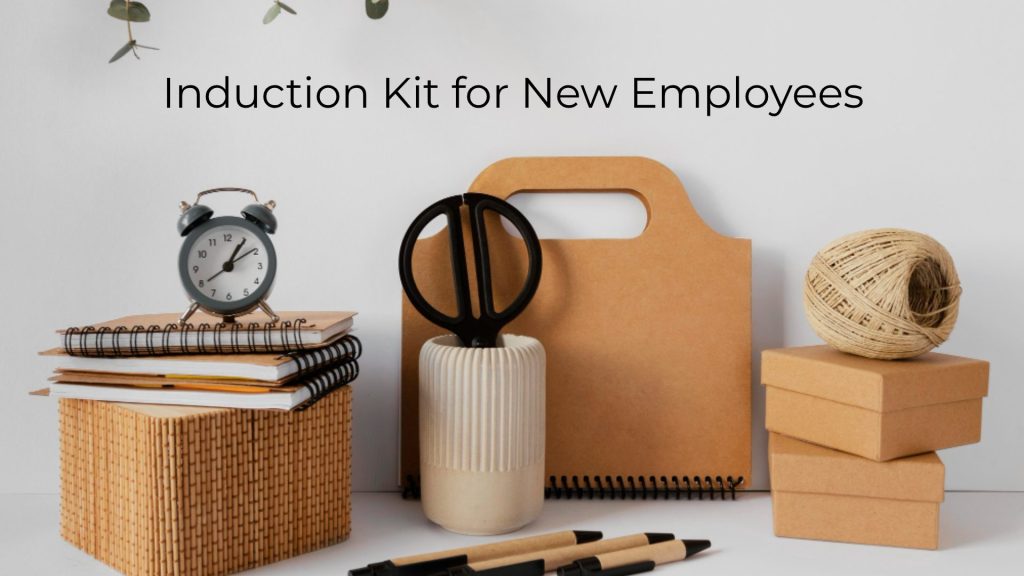
What is an Induction Kit for New Employees?
An induction kit, also known as a new employee welcome kit or onboarding kit, is a carefully curated collection of items, documents, and resources provided to new hires before or on their first day of work. These kits serve multiple purposes: they communicate your company culture, provide practical tools for their role, ensure compliance with workplace policies, and make employees feel valued from day one. Unlike a simple welcome letter, modern induction kits have evolved into comprehensive packages that blend digital resources with physical items. They’re designed to reduce first-day anxiety, accelerate the onboarding process, and create an emotional connection between the new employee and your brand. The best induction kits strike a balance between functionality and thoughtfulness. They contain items that employees will actually use while reflecting your company’s personality and values. Whether you’re a tech startup in Hyderabad or an established enterprise in Pune, your induction kit should tell your unique story.Why Your Organization Needs Professional Induction Kits
Creating Lasting First Impressions
The moment a new employee receives their induction kit, they form opinions about your organization’s professionalism, culture, and commitment to employee experience. A well-designed kit demonstrates that you’ve invested time and resources into welcoming them, which translates into increased loyalty and engagement. Companies that provide thoughtful induction kits report higher levels of early employee satisfaction. When employees feel welcomed and prepared, they’re more likely to become productive contributors faster. This immediate sense of belonging can significantly impact their decision to stay with your organization long-term.Streamlining the Onboarding Process
A comprehensive induction kit serves as a roadmap for new employees, helping them navigate their first days and weeks. Instead of overwhelming HR teams with repetitive questions about policies, procedures, and resources, employees can refer to their welcome kit for essential information. This self-service approach frees up HR personnel to focus on more strategic aspects of onboarding, such as cultural integration and role-specific training. It also ensures consistency in the information provided to all new hires, regardless of when they join or which department they’re entering.Reinforcing Company Culture and Values
Your induction kit is a powerful tool for communicating what your organization stands for. Through carefully selected items and branded materials, you can reinforce your company’s mission, vision, and values in a tangible way. This cultural grounding is particularly important for remote and hybrid employees who may not experience your office environment regularly. From eco-friendly products that showcase your sustainability commitment to tech gadgets that highlight innovation, every item in your kit tells a story about who you are as an organization.Building Employee Engagement from Day One
Employee engagement begins the moment someone accepts your job offer. A personalized induction kit demonstrates that you see new hires as individuals, not just employee numbers. This personal touch can significantly impact their emotional connection to your organization. Studies show that employees who feel valued in their first few weeks are more likely to become brand ambassadors, actively promoting your organization to their networks. This organic advocacy is invaluable for employer branding and future recruitment efforts.Essential Components of an Effective Induction Kit
Documentation and Information Materials
- Welcome Letter: A personalized welcome letter from the CEO or department head sets a warm, personal tone. This letter should express genuine excitement about the new hire joining the team and outline what they can expect in their first few weeks.
- Employee Handbook: Whether in digital or printed format, your employee handbook should cover all essential policies, procedures, and workplace guidelines. This includes your code of conduct, leave policies, working hours, dress code, and grievance procedures. In India, ensure compliance with local labor laws and include information about provident fund, gratuity, and other statutory benefits.
- Organizational Chart: Help new employees understand where they fit within the larger organization. Include information about key stakeholders, reporting structures, and team compositions.
- Role-Specific Information: Provide detailed job descriptions, performance expectations, and initial goals. Include information about training programs, certifications, or skills development opportunities available to them.
- First Day Schedule: Eliminate first-day anxiety by providing a clear schedule of activities, meetings, and introductions. Include details about where to report, who they’ll meet, and what they’ll be doing.
Technology and Work Essentials
- Branded Laptop Bag or Backpack: A high-quality, customized laptop bag or backpack serves dual purposes. It’s a practical item employees will use daily while also serving as a mobile advertisement for your brand. Options range from ₹800 for basic models to ₹5,000 for premium leather or designer bags. Explore our collection of corporate laptop bags and custom backpacks for various budget ranges.
- Office Stationery Set: Include premium notebooks, branded pens, sticky notes, and desk organizers. Quality stationery items typically cost between ₹300 to ₹1,500 per set, depending on brand selection. These everyday essentials ensure employees are prepared to take notes during training sessions and meetings.
- Technology Accessories: Consider including items like wireless mouse, ergonomic mouse pad, laptop stand, cable organizers, or portable chargers. Tech accessories range from ₹500 for basic items to ₹3,000 for premium gadgets. These practical additions show you care about their comfort and productivity.
- Access Cards and Credentials: Include all necessary access cards, parking permits, and login credentials. Provide clear instructions for setting up email accounts, software access, and security protocols.
Branded Merchandise and Apparel
- Customized T-shirts: Company-branded t-shirts or polo shirts help new employees feel part of the team immediately. Depending on fabric quality and customization, these typically cost between ₹400 to ₹1,200 per piece. Check out our customized t-shirts collection for various styles and price points.
- Company Swag: Include items like branded mugs, water bottles, caps, or badges. These create a sense of belonging and pride in representing your organization. Our swag packs offer comprehensive options suitable for different budgets and preferences.
- Apparel for Remote Workers: For distributed teams, sending branded merchandise helps remote employees feel connected to the company culture despite physical distance.
Wellness and Lifestyle Items
- Quality Drinkware: A premium insulated water bottle or coffee mug (₹600-₹2,000) shows you care about their daily comfort. Staying hydrated and caffeinated helps maintain productivity throughout the workday.
- Healthy Snack Box: Include nutritious snacks, energy bars, or gourmet treats to help them power through busy first weeks. Budget ₹500-₹1,500 for a quality snack assortment.
- Wellness Accessories: Consider items like desk plants, stress balls, aromatherapy oils, or fitness trackers depending on your company’s wellness initiatives.
Personalized Touches
- Customized Name Tag or Desk Nameplate: A personalized desk nameplate or professional name tag makes employees feel recognized and establishes their presence in the workplace.
- Welcome Note from Team Members: Include handwritten notes from future colleagues or team members, creating immediate personal connections.
- Company Story and Achievements Book: Share your organization’s journey, milestones, and success stories to help new employees understand and take pride in the company’s history.
Digital Resources
- Login Credentials Package: Provide secure access to all necessary software, platforms, and communication tools. Include step-by-step setup guides for each system.
- Online Training Portal Access: Give immediate access to your learning management system with pre-assigned courses relevant to their role.
- Digital Welcome Video: Create a welcome video featuring leadership and team members, offering virtual introductions and cultural insights.
Designing Induction Kits for Different Employee Categories
Entry-Level and Graduate Hires
For fresh graduates and entry-level employees, focus on items that ease their transition from academic to professional life. Include professional development resources, career growth information, and practical workplace tools. This demographic particularly appreciates tech gadgets, trendy merchandise, and items that help them establish their professional identity.- Budget allocation: ₹2,000-₹4,000 per kit
- Key items: Premium notebook and pen set, branded backpack, laptop accessories, water bottle, snack box, welcome letter, employee handbook, team introduction booklet
Mid-Level Professionals
Experienced professionals expect a more sophisticated welcome experience. Focus on premium quality over quantity, choosing items that reflect their professional status. Include information about leadership opportunities, advanced training programs, and growth paths within the organization.- Budget allocation: ₹4,000-₹8,000 per kit
- Key items: Executive laptop bag, premium tech accessories, quality drinkware, professional stationery set, personalized desk accessories, detailed role documentation, leadership development resources
Senior Leadership and Executives
For senior hires and CXO-level appointments, induction kits should reflect the prestige of their position. These should feature luxury items, premium brands, and exclusive experiences. Our luxury and CXO gifting solutions specialize in creating impressive welcome packages for senior leadership.- Budget allocation: ₹15,000-₹50,000+ per kit
- Key items: Designer leather bags or premium luggage, luxury pens, high-end tech gadgets, gourmet gift hampers, exclusive branded merchandise, comprehensive strategic documents, executive privileges information
Remote and Hybrid Employees
With distributed teams becoming the norm across India, remote employee induction kits require special consideration. These kits must work harder to create connection and belonging without the benefit of physical office presence. Include items that facilitate virtual collaboration, create a professional home office setup, and maintain engagement despite physical distance. Ship these kits directly to employees’ home addresses with tracking information.- Budget allocation: ₹3,000-₹6,000 per kit
- Key items: Webcam cover, ergonomic accessories, home office essentials, company swag, detailed virtual onboarding guide, team communication protocols, wellness items for work-from-home comfort
Cost Breakdown: Induction Kit Pricing in India
Understanding the investment required for quality induction kits helps in budget planning and ROI calculation. Prices vary significantly based on item selection, customization level, and order quantities.Budget-Friendly Kits (₹1,500-₹3,000 per kit)
Perfect for startups, small businesses, or high-volume hiring:- Basic branded merchandise (t-shirt, water bottle, notebook)
- Essential documentation (digital or printed)
- Simple welcome letter
- Basic stationery items
- Company swag items
Mid-Range Kits (₹3,000-₹7,000 per kit)
Ideal for growing companies and most corporate environments:- Quality branded backpack or laptop bag
- Premium stationery set
- Multiple branded merchandise items
- Tech accessories (mouse, charging cable, etc.)
- Comprehensive documentation package
- Gourmet snack box
- Quality drinkware
Premium Kits (₹7,000-₹15,000 per kit)
Appropriate for established enterprises and special hires:- Designer bags or premium luggage
- High-end tech gadgets
- Luxury branded items
- Personalized premium gifts
- Comprehensive welcome package
- Exclusive company merchandise
- Wellness and lifestyle products
Luxury Executive Kits (₹15,000+ per kit)
Reserved for senior leadership and key strategic hires:- Premium brand partnerships (Parker pens, premium leather goods, designer accessories)
- Exclusive tech products (Apple accessories, premium headphones, smartwatches)
- Custom-curated gift experiences
- High-end gourmet selections
- Personalized luxury items
- Executive privilege documentation
- Strategic welcome packages
Cost-Saving Strategies
- Bulk Ordering: Volume discounts significantly reduce per-unit costs. Ordering 100+ kits can save 15-30% compared to smaller quantities.
- Annual Contracts: Partner with vendors for annual agreements that lock in favorable pricing and ensure consistent quality.
- Standard Plus Custom: Create a standard kit template with the option to add role-specific or level-specific items, optimizing both cost and relevance.
- Digital-First Approach: Shift heavy documentation to digital formats, reducing printing and shipping costs while being environmentally friendly.
- Seasonal Planning: Plan induction kit procurement during off-peak seasons or leverage festive sale periods for better pricing.
Creating Memorable Induction Kit Experiences
Theme-Based Kits
Develop cohesive themes that reflect your company’s personality. A technology company might create a “Digital Pioneer” theme featuring cutting-edge gadgets and tech-forward accessories. A wellness company could design a “Healthy Start” kit focusing on fitness and nutrition items. Themed kits create stronger brand recall and show creative thoughtfulness.Sustainable and Eco-Friendly Options
Increasingly, employees expect organizations to demonstrate environmental responsibility. Consider our sustainable and eco-friendly gifting solutions that include bamboo products, recycled materials, plantable items, and biodegradable packaging. These choices resonate particularly well with millennial and Gen-Z employees while aligning with global sustainability goals.Personalization Strategies
Move beyond just adding names to items. Consider personalizing based on:- Employee preferences gathered during the hiring process
- Role-specific requirements
- Department culture and needs
- Individual interests and hobbies
- Career goals and aspirations
Unboxing Experience Design
The way items are presented matters as much as what’s included. Create an unboxing experience that builds anticipation and delight:- Professional packaging with branded boxes or bags
- Layered presentation with items arranged thoughtfully
- Include a welcome card on top as the first touchpoint
- Use tissue paper, ribbons, or other premium packaging materials
- Ensure items are protected but easy to access
- Consider including a “thank you for joining us” seal or sticker
Timing and Delivery
- Pre-Boarding Delivery: Send kits 3-7 days before the start date to build excitement and allow time for any setup required.
- First Day Desk Delivery: Have the kit waiting at their desk or workstation for immediate impact.
- Home Delivery for Remote Workers: Ship to home addresses with tracking, including a personal note about the delivery.
Digital Integration with Physical Kits
Modern induction kits benefit from blending physical items with digital resources. Include QR codes that link to:- Welcome video messages from leadership
- Virtual office tours
- Interactive employee handbook
- Digital training modules
- Team introduction videos
- Company culture showcases
- Benefits enrollment portals
Measuring the Impact of Your Induction Kits
Key Performance Indicators
Track these metrics to evaluate your induction kit effectiveness:- New Hire Satisfaction Scores: Survey employees within their first week about their onboarding experience, specifically asking about the welcome kit’s impact.
- Time to Productivity: Measure how quickly new employees become fully productive. Well-designed induction kits should correlate with shorter ramp-up times.
- Early Retention Rates: Monitor 90-day and 6-month retention rates. Effective onboarding, starting with the induction kit, should improve these numbers.
- Employee Net Promoter Score (eNPS): Track new hires’ willingness to recommend your company as an employer. Positive first experiences significantly impact this metric.
- Kit Item Usage: Monitor which items employees actually use versus what gets discarded. This helps refine future kit compositions.
Gathering Feedback
Implement structured feedback collection:- 7-day check-in surveys specifically about the induction kit
- 30-day onboarding experience reviews
- Exit interviews asking about first impressions
- Anonymous feedback channels
- Regular pulse surveys
ROI Calculation
Calculate return on investment by comparing:- Cost per induction kit vs. cost of employee turnover
- Hiring costs saved through improved employer brand
- Productivity gains from faster onboarding
- Employee engagement improvements
- Employer brand strengthening metrics
Working with Professional Corporate Gifting Partners
Creating impactful induction kits requires expertise in sourcing, customization, logistics, and experience design. Professional corporate gifting companies like RidgeGap bring several advantages:Comprehensive Product Sourcing
Access to thousands of products across multiple categories, from premium brands to unique custom items. Professional vendors maintain relationships with manufacturers, ensuring quality and competitive pricing.Customization Expertise
Professional branding and customization capabilities including printing, embroidery, engraving, and special finishing techniques. Expertise in color matching, logo placement, and brand guideline adherence.Quality Assurance
Systematic quality checking processes ensuring every kit meets standards. Sample approval procedures before bulk production. Consistent quality across large order quantities.Logistics and Fulfillment
Pan-India delivery capabilities with tracking for remote employees. Warehousing solutions for ongoing hiring programs. Individual packaging and personalization at scale. Flexible delivery scheduling aligned with hiring schedules.Budget Optimization
Expert guidance on getting maximum impact within your budget. Volume discount negotiation on your behalf. Alternative product suggestions that maintain quality while managing costs.Project Management
End-to-end coordination from concept to delivery. Timeline management ensuring kits are ready when needed. Single point of contact for all queries and changes. Regular updates on production and delivery status.Best Practices for Induction Kit Programs
Start Planning Early
Begin induction kit planning at least 2-3 months before expected delivery dates. This allows time for:- Product selection and sampling
- Customization design and approval
- Production and quality checking
- Logistics coordination
- Contingency management
Standardize with Flexibility
Create standard kit templates for different employee categories while maintaining flexibility for special customization. This balance ensures consistency while allowing personalization.Consider Cultural Sensitivities
In India’s diverse workplace, be mindful of cultural, religious, and regional differences. Avoid items that might be inappropriate for certain groups. Include options that respect dietary restrictions, religious practices, and cultural preferences.Update Regularly
Review and refresh your induction kits every 6-12 months to:- Replace items that aren’t being used
- Incorporate new product innovations
- Reflect company changes and updates
- Address employee feedback
- Stay current with trends
Create Scalability
Design your induction kit program to scale with hiring volumes. Maintain relationships with vendors who can handle fluctuating order quantities. Keep buffer stock for unexpected hiring surges.Document and Train
Create clear documentation about the induction kit program including item lists, costs, customization guidelines, and ordering procedures. Train HR teams and hiring managers on the process and timelines.Industry-Specific Induction Kit Considerations
Technology and IT Sector
Focus on cutting-edge tech accessories, premium gadgets, and items that reflect innovation. Include coding-friendly notebooks, quality headphones for focus work, and ergonomic accessories. Bangalore and Hyderabad tech companies particularly benefit from tech-forward kit designs.Manufacturing and Industrial
Emphasize safety equipment, practical tools, and durability. Include branded safety gear, industrial-grade accessories, and items suitable for factory or plant environments. Ensure documentation includes comprehensive safety procedures.Healthcare and Pharmaceuticals
Prioritize hygiene, wellness, and professional medical accessories. Include quality sanitizers, medical-grade items, and wellness products. Ensure documentation clearly covers healthcare protocols and compliance requirements.Financial Services and Banking
Select premium, professional items that reflect trust and stability. Include executive-level stationery, leather goods, and sophisticated accessories. Mumbai and Delhi financial sector companies often prefer classic, timeless kit designs.Retail and E-commerce
Create energetic, customer-focused kits that reflect brand personality. Include items that employees might use in customer-facing roles. Consider branded merchandise that doubles as customer awareness tools.Education and EdTech
Design kits that inspire learning and growth. Include notebooks, quality writing instruments, and items that support continuous learning. Add information about development opportunities and career growth paths.Common Mistakes to Avoid
Overpacking with Unnecessary Items
Quality matters more than quantity. Avoid filling kits with cheap, disposable items just to make them appear fuller. Each item should serve a purpose and provide value.Ignoring Practical Needs
While branded merchandise is important, don’t neglect practical essentials. Employees need functional items they’ll actually use daily.One-Size-Fits-All Approach
Different roles, levels, and departments have different needs. Customize appropriately rather than giving everyone identical kits.Poor Quality Items
Budget constraints shouldn’t mean compromising on quality. Cheap, poorly made items reflect badly on your brand. It’s better to include fewer high-quality items than many low-quality ones.Delayed Delivery
Late induction kits lose their impact. Ensure timely delivery before or on the first day to maximize the welcome effect.Inadequate Documentation
Physical gifts are great, but comprehensive information is crucial. Ensure all necessary documentation, access details, and guidance materials are included.Neglecting Remote Employees
Don’t treat remote workers as an afterthought. Their kits should be equally thoughtful and delivered with the same care as those for office-based employees.Future Trends in Employee Induction Kits
Technology Integration
Expect increased use of smart devices, IoT products, and tech-enabled items. QR codes linking to augmented reality experiences, digital twins of physical items, and app-connected products will become more common.Sustainability Focus
Environmental consciousness will drive more eco-friendly options. Expect growth in sustainable materials, carbon-neutral shipping, and circular economy approaches to corporate gifting.Hyper-Personalization
AI and data analytics will enable deeper personalization based on individual preferences, interests, and needs gathered throughout the recruitment process.Experience-Based Additions
Beyond physical items, expect more experience-based components like virtual team-building activities, online course credits, or wellness program memberships.Subscription Models
Some companies are moving toward subscription-based approaches where new employees receive curated items over their first 3-6 months rather than everything at once.Conclusion
An induction kit for new employees represents far more than a collection of branded items and paperwork. It’s your organization’s first physical manifestation of the promises made during recruitment. It’s the tangible proof that you value your new team members and are invested in their success. In India’s competitive talent market, where skilled professionals have numerous options, these details matter significantly. The most successful induction kits achieve three critical objectives: they provide practical value through useful items employees will actually use, they communicate your organizational culture and values authentically, and they create an emotional connection that fosters engagement and loyalty from day one. Whether you’re a startup in Bangalore crafting your first employee welcome kits or an established enterprise in Mumbai looking to enhance your onboarding program, investing in quality induction kits yields measurable returns through improved retention, faster productivity, and stronger employer branding. The investment in well-designed induction kits typically ranges from ₹2,000 to ₹50,000 depending on employee level and company positioning, but the return, measured in employee satisfaction, retention, and brand advocacy, far exceeds the initial cost. As you plan your induction kit program, focus on creating experiences that resonate with your specific workforce while staying true to your organizational identity. Ready to create memorable first impressions for your new hires? Our new joiner kits are designed specifically to welcome employees with thoughtfulness and professionalism. We also offer curated gift boxes and special custom-made projects for unique organizational needs.Frequently Asked Questions (FAQs)
Q1: What is the ideal budget for an induction kit for new employees in India? The ideal budget depends on your company size, industry, and employee level. For most corporate environments, ₹3,000-₹7,000 per kit provides an excellent balance of quality and impact. Startups and SMEs might allocate ₹1,500-₹3,000 for budget-friendly options, while enterprise companies and senior hires might justify ₹15,000+ for premium experiences. Consider it an investment in employee retention, the average cost of replacing an employee is 6-9 months of their salary, making induction kits highly cost-effective. Q2: When should I provide the induction kit to new employees? The optimal timing is 3-7 days before their official start date. This allows new hires to familiarize themselves with company information, complete any pre-boarding tasks, and build excitement for their first day. For office-based roles, you can alternatively have the kit waiting at their desk on day one. For remote employees, shipping kits to their home address with tracking ensures timely delivery and demonstrates your commitment to distributed team members. Q3: What are the most important items to include in a new employee welcome kit? Essential items include a welcome letter setting the tone, comprehensive employee handbook with policies and procedures, branded laptop bag or backpack for daily use, quality stationery set for note-taking and work, company swag like t-shirts and drinkware for brand connection, and access cards and credentials for immediate productivity. Additionally, include role-specific documentation, organizational chart, and first-day schedule. The best kits balance practical necessities with thoughtful touches that reflect company culture. Q4: How can I personalize induction kits for different types of employees? Personalization strategies include customizing based on employee level (entry-level vs. executives require different items), role requirements (tech roles might need specific accessories), department culture (sales teams vs. engineering teams have different needs), and individual preferences gathered during hiring. For remote workers, include home office essentials. For senior hires, opt for premium branded items. You can also add personal touches like handwritten welcome notes or items related to hobbies mentioned during interviews. Q5: Do induction kits really improve employee retention? Yes, research consistently shows positive correlations between quality onboarding experiences and retention rates. Organizations with structured onboarding programs that include comprehensive welcome kits see 82% improvement in retention. The psychological impact of feeling valued from day one significantly influences long-term commitment. Additionally, practical items that improve daily work experience and clear documentation that reduces confusion both contribute to job satisfaction and retention. The relatively small investment in induction kits yields substantial returns through reduced turnover costs. Q6: What’s the difference between an induction kit and a welcome kit? While often used interchangeably, there are subtle differences. An induction kit typically focuses more on functional elements needed for onboarding, documentation, policies, access credentials, and role-specific information. A welcome kit emphasizes making employees feel welcomed through branded merchandise, personalized items, and cultural introductions. The most effective approach combines both aspects: providing necessary onboarding materials alongside thoughtful welcome items that create emotional connection. Q7: How do I create induction kits for remote and hybrid employees? Remote employee kits require special consideration since they won’t experience your physical office. Include items that help create professional home office setups like ergonomic accessories, quality webcam covers, and desk organizers. Add more branded merchandise to create company connection despite distance. Provide comprehensive digital resources with detailed virtual onboarding guides. Ensure premium packaging since the unboxing experience becomes even more important. Ship directly to home addresses with tracking, and include a personal note acknowledging their remote status and commitment to their success. Q8: Can I create eco-friendly and sustainable induction kits? Absolutely, and it’s increasingly expected by employees. Sustainable options include bamboo or recycled material products, plantable seed paper for documentation, reusable bags and drinkware instead of disposables, locally sourced items to reduce carbon footprint, and biodegradable packaging materials. Many vendors offer comprehensive eco-friendly product ranges. Sustainable choices resonate particularly well with younger employees and demonstrate corporate social responsibility. They can cost slightly more (10-20% premium) but align with modern corporate values. Q9: How often should we update our induction kit contents? Review your induction kit program every 6-12 months to ensure relevance. Update immediately if there are significant company changes, major policy updates, or brand refreshes. Gather quarterly feedback from new hires about what items they found useful versus what went unused. Monitor usage patterns, if certain items consistently go unused, replace them with alternatives. Stay current with product trends and innovations in corporate gifting. However, maintain some consistency in core items that employees come to expect. Q10: What is the minimum order quantity for customized induction kits? Most professional corporate gifting companies in India, including specialized providers, have minimum order quantities (MOQs) that vary by product and customization complexity. Typical MOQs range from 25-50 kits for standard products with basic branding, to 100+ for complex custom items or unique designs. However, many vendors offer ready-to-customize templates with lower MOQs of 10-25 kits, ideal for startups or companies with lower hiring volumes. For ongoing hiring programs, consider annual contracts that allow smaller batch orders against a larger committed quantity, providing flexibility while maintaining cost efficiency. Q11: Should I include gift cards or vouchers in induction kits? Gift cards can be valuable additions, particularly for mid-to-senior level hires. Consider including vouchers for popular e-commerce platforms (₹500-₹2,000), coffee shop gift cards for first-week caffeine needs, meal delivery credits for busy first weeks, or wellness app subscriptions. However, ensure gift cards complement rather than replace thoughtful physical items. The tangible, branded products create stronger emotional connections and longer-lasting brand presence than vouchers alone. Gift cards work best as additions to well-rounded kits rather than primary components. Q12: How do I ensure brand consistency across all induction kit items? Maintain brand consistency by creating detailed brand guidelines specifically for merchandise, including approved logo versions, color codes, placement rules, and quality standards. Work with experienced vendors who understand brand management. Request samples and approval prototypes before bulk production. Create a standard template with pre-approved items and customization specifications. Use consistent packaging materials and unboxing experiences. Conduct quality checks on received items. Document all approved products and suppliers for reference. Consider creating a merchandise brand book alongside your main brand guidelines.Useful Resources
For more information about creating impactful employee experiences through thoughtful gifting:- RidgeGap New Joiner Kits: Explore our comprehensive collection of new employee welcome solutions at https://ridgegap.com/new-joiner-kits/
- Corporate Laptop Bags & Backpacks: Browse our range of professional bags suitable for induction kits at https://ridgegap.com/corporate-laptop-bags-custom-backpacks/
- Customized T-shirts: View our customizable apparel options at https://ridgegap.com/customised-tshirts/
- Curated Gift Boxes: Discover our thoughtfully assembled gift options at https://ridgegap.com/curated-gift-boxes/
- Swag Packs: Explore branded merchandise collections at https://ridgegap.com/swag-packs/
- Luxury & CXO Gifting: Premium options for senior leadership at https://ridgegap.com/luxury-cxo-gifting/
- Sustainable & Eco-Friendly Gifting: Environmentally conscious options at https://ridgegap.com/sustainable-eco-friendly-gifting/
- Special & Custom-Made Projects: Unique solutions tailored to your needs at https://ridgegap.com/special-custom-made-projects/
- Events, Conference & Promotional Gifts: Professional gifting solutions for corporate events at https://ridgegap.com/events-conference-promotional-gifts/
Unique Return Gifts for Corporate Events for Employees and Clients

Why Return Gifts Matter in Corporate Events
Corporate event return gifts serve multiple strategic purposes beyond mere courtesy. Research indicates that thoughtful gifting significantly impacts business relationships, with 85% of recipients remembering the company that gave them a promotional item for months afterward.For Employee Events:
Return gifts from company celebrations, annual day functions, or team retreats demonstrate that your organization values employee contributions beyond their daily work. According to workplace engagement studies, employees who receive thoughtful recognition gifts show 31% higher retention rates and report stronger emotional connections to their employers.For Client Events:
When hosting client appreciation dinners, product launches, or business conferences, return gifts serve as tangible reminders of your professional relationship. Quality gifts reinforce brand recall and position your company as one that pays attention to details, a crucial perception in business partnerships.Cultural Significance in India:
Gift-giving holds deep cultural importance across Indian traditions. From Diwali celebrations to wedding ceremonies, exchanging gifts symbolizes respect, gratitude, and the desire to maintain harmonious relationships. Corporate return gifts tap into this cultural familiarity, making them particularly effective in the Indian business context.Understanding Your Budget: Return Gift Pricing in India
Before diving into specific gift ideas, establishing a realistic budget framework helps narrow your options and ensures financial feasibility. Indian companies typically allocate different budgets based on event type, recipient category, and organizational size.Budget Categories for Corporate Return Gifts
Under ₹500 Per Gift:
Perfect for large-scale events with extensive guest lists, entry-level employee functions, or conference giveaways. This range demands creativity to deliver memorable value without appearing cheap. Typical occasions: Annual day events with 200+ attendees, promotional conference giveaways, intern appreciation events.₹500 to ₹1,500 Per Gift:
The sweet spot for most corporate events, this range offers substantial flexibility for quality items that balance practicality with perceived value. Most mid-sized companies operating in Bangalore, Pune, and Hyderabad find this range optimal for employee return gifts. Typical occasions: Department celebrations, client seminars, vendor appreciation events, employee milestone recognitions.₹1,500 to ₹5,000 Per Gift:
Premium gifting territory suitable for smaller, more exclusive events or higher-value relationships. This budget allows for branded items, customization, and luxury packaging that creates true delight. Typical occasions: Leadership retreats, key client appreciation, board member gifts, retirement celebrations, CXO networking events.₹5,000+ Per Gift:
Reserved for luxury corporate gifting scenarios involving top-tier clients, executive leadership, or strategic business partners. These gifts make bold statements about the importance of the relationship. Typical occasions: Major business milestone celebrations, VIP client gifts, merger announcements, luxury CXO gifting programs.Regional Pricing Considerations
Corporate gift budgets vary across Indian cities based on local economic conditions and competitive landscapes:- Bangalore/Mumbai/Delhi NCR: Higher budget allocations (average ₹1,200-₹2,500 per gift) reflecting metropolitan cost structures and competitive corporate cultures
- Tier-2 Cities (Pune/Hyderabad/Chandigarh): Moderate budgets (average ₹800-₹1,800 per gift) balancing quality with cost-effectiveness
- Tier-3 Cities: Conservative budgets (average ₹500-₹1,200 per gift) focusing on practical value and local sourcing
Unique Return Gift Ideas for Employees
Employee appreciation through corporate event return gifts creates emotional connections that transcend monetary value. The key lies in selecting items that employees genuinely use and appreciate in their daily lives.Tech-Forward Return Gifts
- Wireless Charging Pads (₹800-₹2,500) Modern employees juggle multiple devices throughout their workday. Wireless charging pads eliminate cable clutter while providing genuine utility. Opt for minimalist designs with subtle company branding on the base, functionality should take precedence over prominent logos.
- Bluetooth Speakers (₹1,200-₹4,500) Portable Bluetooth speakers serve double duty for both work calls and personal entertainment. Premium options from brands like JBL, Sony, or Boat deliver quality audio that employees associate with your thoughtfulness.
- Smart Fitness Trackers (₹2,500-₹5,500) Wellness-focused companies can demonstrate their commitment to employee health through fitness trackers. Devices from Noise, Fitbit, or Xiaomi encourage healthy lifestyles while generating positive brand associations.
- Power Banks with Fast Charging (₹700-₹2,000) In a mobile-first India where constant connectivity is essential, high-capacity power banks (10,000mAh+) solve real problems. Choose slim, premium designs that fit easily in laptop bags.
- USB Hubs and Docking Stations (₹1,500-₹4,000) For employees working in hybrid or remote setups, multi-port USB hubs and laptop docking stations enhance productivity. These practical gifts demonstrate understanding of modern work challenges.
Sustainable and Eco-Friendly Options
Environmental consciousness has become a major consideration in corporate gifting. Sustainable eco-friendly gifts resonate with socially responsible employees and reflect positively on corporate values.- Bamboo Product Sets (₹600-₹1,800) Bamboo cutlery sets, desk organizers, or phone stands combine sustainability with functionality. These gifts appeal to environmentally conscious employees while showcasing corporate social responsibility.
- Plantable Seed Paper Products (₹400-₹1,200) Plantable notebooks, greeting cards, or calendars offer unique experiences, after use, recipients plant the paper to grow herbs or flowers. This innovative approach creates lasting memories tied to your event.
- Reusable Food Containers (₹800-₹2,200) Premium steel or glass food containers promote zero-waste lifestyles. Brands like Borosil or Milton offer leak-proof, microwave-safe options perfect for office lunches.
- Terracotta or Ceramic Planters with Succulents (₹500-₹1,500) Small desk plants improve workspace aesthetics and air quality. Including easy-care succulents or jade plants (considered lucky in Indian culture) adds thoughtful symbolism.
- Organic Cotton Tote Bags (₹400-₹1,200) Move beyond basic cotton bags to premium organic options with thoughtful designs. Large capacity bags work for grocery shopping, gym gear, or daily commutes.
Wellness and Self-Care Gifts
The growing emphasis on mental health and work-life balance makes wellness gifts particularly meaningful for employee events.- Aromatherapy Diffuser Sets (₹1,200-₹3,500) Essential oil diffusers with curated oil blends help employees create relaxing home environments. Package with lavender, eucalyptus, or lemongrass oils for complete gifting solutions.
- Yoga and Meditation Kits (₹1,500-₹4,000) Compact yoga mats with carrying cases, meditation cushions, or resistance bands support employee wellness journeys. These gifts align perfectly with corporate wellness programs.
- Premium Tea or Coffee Gift Sets (₹800-₹2,500) Curated collections featuring specialty teas from Darjeeling or artisanal coffee blends from Coorg provide indulgent experiences. Package in elegant boxes for premium presentation.
- Massage Tools and Stress Relief Items (₹600-₹1,800) Handheld massage devices, stress balls, or acupressure mats help employees manage work stress. These practical items show genuine concern for employee wellbeing.
- Sleep Enhancement Kits (₹1,000-₹3,000) Quality sleep masks, white noise machines, or lavender pillow mists demonstrate awareness of work-life balance importance. Package multiple items together for comprehensive sleep solutions.
Personalized and Customized Gifts
Adding personal touches transforms standard corporate gifts into treasured keepsakes that recipients genuinely value.- Engraved Desk Nameplates (₹700-₹2,000) Wooden or metal nameplates with employee names and achievement titles add professional elegance to workspaces. These visible daily reminders generate pride and belonging.
- Customized Leather Accessories (₹1,500-₹5,000) Genuine leather notebooks, passport holders, or cardholders embossed with initials create premium gifting experiences. The tactile quality of real leather conveys luxury and thoughtfulness.
- Photo Frames with Event Memories (₹500-₹1,500) Include pictures from the corporate event itself within quality frames. This personal approach creates emotional connections and serves as desk décor employees actually display.
- Monogrammed Travel Accessories (₹1,200-₹3,500) Luggage tags, travel organizers, or toiletry bags personalized with employee initials feel exclusive while providing practical travel utility.
Experience-Based Return Gifts
Moving beyond physical items, experience gifts create memorable moments that employees cherish long after the event concludes.- Digital Gift Cards and Vouchers (₹1,000-₹10,000) While some consider gift cards impersonal, curated digital vouchers for experiences (dining, spa treatments, adventure activities, or entertainment) give employees choice while maintaining thoughtfulness.
- Subscription Services (₹1,500-₹6,000 for 3-6 months) Gift subscriptions to streaming platforms (Netflix, Disney+ Hotstar, Amazon Prime), audiobook services (Audible), meditation apps (Headspace, Calm), or fitness platforms (Cult.fit) provide ongoing value.
- Workshop or Skill Development Vouchers (₹2,000-₹8,000) Photography classes, cooking workshops, language courses, or professional development sessions demonstrate investment in employee growth beyond their current roles.
Practical Workwear and Apparel
- Customized T-Shirts with Creative Designs (₹400-₹1,200) Move beyond basic branded tees to thoughtfully designed apparel featuring clever taglines, artistic interpretations of company values, or commemorative event graphics. Quality cotton and comfortable fits ensure recipients actually wear them.
- Premium Hoodies or Jackets (₹1,500-₹4,500) High-quality hoodies or fleece jackets serve practical purposes in air-conditioned offices or cooler months. Branded outerwear creates walking advertisements when employees wear them in public.
- Corporate Laptop Bags and Backpacks (₹1,200-₹5,000) Professional laptop bags with multiple compartments, padded sleeves, and ergonomic designs make excellent return gifts for tech-dependent employees. Brands like Wildcraft, American Tourister, or Targus offer various price points.
Unique Return Gift Ideas for Clients
Client return gifts require additional consideration, they should reflect professionalism, quality, and the value you place on the business relationship without appearing overly promotional.Premium Office Accessories
- Executive Pen Sets (₹2,000-₹8,000) Quality writing instruments from brands like Parker, Cross, or Sheaffer convey sophistication. Engraved pens with client names or company logos in elegant presentation boxes create lasting impressions.
- Leather Desk Organizers (₹2,500-₹7,000) Premium leather desk sets including pen holders, business card displays, and document trays help clients maintain organized workspaces while showcasing your gift prominently.
- Luxury Notebooks and Journals (₹1,500-₹5,000) Moleskine, Leuchtturm1917, or handcrafted Indian leather journals appeal to clients who value analog note-taking. Custom embossing elevates these items to premium territory.
Gourmet Food and Beverage Hampers
- Artisanal Chocolate Collections (₹1,500-₹6,000) Premium chocolate brands like Smoor, Paul, or international labels presented in elegant packaging make universally appreciated gifts. Include variety to cater to different taste preferences.
- Specialty Tea or Coffee Hampers (₹2,000-₹8,000) Curated collections featuring single-origin coffees, rare tea varieties, or luxury blends demonstrate refined taste. Package with brewing accessories for comprehensive gifting.
- Dry Fruit and Nut Gift Boxes (₹2,500-₹10,000) In Indian culture, dry fruits symbolize prosperity and good wishes. Premium selections of cashews, almonds, pistachios, and exotic dried fruits in elegant wooden or metallic boxes make appropriate client gifts.
- Craft Spirits and Wine Selections (₹3,000-₹15,000+) For appropriate business contexts, premium whiskeys, wines, or craft gins from reputable brands make sophisticated gifts. Ensure understanding of client preferences and consumption habits before selecting alcoholic gifts.
Technology and Gadgets
- Wireless Headphones or Earbuds (₹3,000-₹12,000) Premium audio devices from Sony, Bose, or Apple provide both utility and luxury. Active noise cancellation features appeal particularly to traveling executives.
- Smart Home Devices (₹4,000-₹15,000) Smart speakers (Amazon Echo, Google Nest), smart bulbs, or home automation devices position your company as forward-thinking and tech-savvy.
- Tablet Cases or Tech Accessories (₹2,000-₹6,000) Leather tablet cases, premium phone accessories, or tech organizers combine functionality with professional aesthetics suitable for client gifting.
Luxury and CXO-Level Gifts
- Designer Desk Clocks (₹5,000-₹20,000) Luxury desk clocks or table accessories from premium brands serve as permanent desk fixtures that clients see daily, ensuring lasting brand recall.
- Vintage or Collectible Items (₹8,000-₹50,000+) For significant business relationships, unique collectibles, limited edition pens, vintage desk accessories, or curated art pieces, demonstrate exceptional thoughtfulness.
- Custom Leather Goods (₹5,000-₹25,000) Bespoke leather briefcases, document folders, or executive organizers personalized for individual clients represent premium CXO gifting that strengthens high-value relationships.
Sustainable Luxury Options
- Handcrafted Artisan Products (₹2,500-₹12,000) Support Indian artisans while gifting clients unique pieces, Madhubani paintings, marble inlay work from Agra, Pashmina shawls, or handloom textiles combine cultural heritage with luxury.
- Eco-Luxury Gift Sets (₹3,000-₹10,000) Premium sustainable products, organic skincare sets, handmade soaps, natural fiber accessories, appeal to environmentally conscious clients while maintaining upscale positioning.
Creative Return Gift Ideas for Different Event Types
Different corporate events call for contextually appropriate gifts that align with the occasion’s nature and purpose.Annual Day and Company Celebrations
- Commemorative Items: Custom medals, trophies, or plaques celebrating company achievements create permanent reminders of shared success.
- Event-Themed Gift Boxes: Curate boxes containing items that reflect the annual day theme, if celebrating innovation, include tech gadgets; if focusing on wellness, assemble self-care packages.
- Photo Montage Gifts: Professional photo books or digital photo frames preloaded with event memories personalize the gifting experience.
Conferences and Seminars
- Knowledge Resources: Industry-specific books, journal subscriptions, or online course access relevant to conference topics extend learning beyond the event.
- Networking Aids: Premium business card holders, LinkedIn optimization guides, or professional networking tools help attendees capitalize on conference connections.
- Conference Merchandise Kits: Branded notebooks, quality pens, USB drives preloaded with conference materials, and portable phone chargers packaged together.
Product Launch Events
- Product Samples or Limited Editions: Early access to new products or exclusive variants makes attendees feel like valued insiders.
- Brand Story Items: Gifts that tell your brand’s journey, coffee table books about company history, founder biographies, or documentary access.
Client Appreciation Dinners
- Gourmet Take-Home Boxes: Elegant boxes containing dinner venue specialties, artisanal treats, or signature recipe cards create extended experiences.
- Wine or Spirit Bottles: Premium bottles with custom labels commemorating the appreciation event (where appropriate).
- Luxury Dessert Hampers: Selection of fine chocolates, imported confectioneries, or traditional Indian sweets in premium packaging.
Team Building and Offsite Retreats
- Adventure Gear: Depending on retreat activities, consider items like reusable water bottles, quick-dry towels, or compact travel backpacks.
- Team Photo Collections: Group photos professionally printed in quality frames or creative photo collages.
- Local Artisan Products: If retreating to specific destinations (Goa, Rishikesh, Coorg), include authentic local products, spices, handicrafts, or regional specialties.
How to Choose the Perfect Return Gift
Selecting appropriate corporate event return gifts requires strategic thinking beyond simply picking items within budget.Know Your Audience
- Employee Demographics: Consider age groups, lifestyle preferences, and work arrangements (remote vs. office-based) when selecting employee gifts. Millennials and Gen-Z employees typically prefer tech gadgets, experiences, or sustainable products, while older employees might appreciate classic items.
- Client Profiles: Research client companies’ values, industries, and corporate cultures. Tech startups appreciate innovative gadgets; traditional businesses prefer classic luxury items; companies with strong CSR commitments value sustainable gifts.
- Cultural Sensitivity: In diverse workforces and client bases, ensure gifts respect religious and cultural considerations. Avoid items with religious symbolism unless appropriate; verify gift appropriateness across cultural contexts.
Align with Company Values
Your return gifts should reflect and reinforce organizational values:- Innovation-focused companies: Tech gadgets, smart accessories, futuristic designs
- Sustainability-committed organizations: Eco-friendly products, plantable items, zero-waste solutions
- Wellness-oriented cultures: Health gadgets, fitness accessories, relaxation items
- Luxury brands: Premium materials, exquisite packaging, high-end selections
Prioritize Utility Over Branding
The most successful corporate gifts balance branding with genuine usefulness. Recipients should value the item itself, not just tolerate it because it came from their employer or business partner. Branding Best Practices:- Subtle logo placement (small, elegant, non-intrusive)
- Quality execution of branding (engraving > stickers; embossing > screen printing)
- Designs that recipients would genuinely use or display
- Focus on gift quality rather than brand visibility
Consider Practical Logistics
- Packaging: First impressions matter. Invest in quality gift boxes, elegant wrapping, or branded packaging that enhances perceived value.
- Size and Portability: For events where recipients travel afterward, ensure gifts are portable or offer shipping services to home addresses.
- Bulk Ordering Timeline: Quality suppliers like RidgeGap typically require 2-4 weeks for bulk orders with customization. Plan accordingly to avoid last-minute compromises.
- Storage and Distribution: Consider event logistics, where will gifts be stored before distribution? How will they be handed out? Ensure smooth execution.
Personalization and Customization Options
Customization transforms generic gifts into meaningful tokens that recipients truly appreciate.Types of Customization
- Individual Personalization: Names, initials, or employee numbers engraved or embossed on items create one-of-a-kind gifts that employees treasure.
- Corporate Branding: Company logos, taglines, or event themes incorporated tastefully into gift designs reinforce brand identity.
- Message Customization: Personalized thank-you notes, achievement recognition messages, or inspirational quotes add emotional value.
- Event-Specific Details: Date, event name, or milestone information commemorates specific occasions.
Customization Techniques
- Laser Engraving: Precise, permanent, and premium-looking; works on metal, wood, leather, glass.
- Embossing/Debossing: Creates textured, sophisticated effects on leather, paper, or fabric items.
- UV Printing: Full-color printing on various surfaces including metal, wood, or plastic; ideal for complex designs.
- Embroidery: Adds elegant, durable customization to apparel, bags, or fabric items.
Cost Considerations
Customization adds to per-item costs:- Basic logo printing: ₹50-₹150 per item
- Laser engraving: ₹100-₹300 per item
- Full embroidery: ₹150-₹500 per item depending on complexity
- Premium packaging with branding: ₹100-₹400 per unit
Packaging and Presentation: The Unboxing Experience
In the age of social media, unboxing experiences matter more than ever. Impressive packaging elevates perceived value and encourages recipients to share their gifts online.Elements of Great Gift Packaging
- Quality Gift Boxes: Rigid boxes with magnetic closures, drawer-style boxes, or elegant gift boxes with textured finishes create premium first impressions.
- Protective Materials: Tissue paper, shredded paper filler, or custom foam inserts protect items while adding visual appeal when boxes open.
- Branded Elements: Custom ribbons, branded seals, or company stickers applied tastefully enhance brand presence without overwhelming the gift.
- Thank You Cards: Handwritten or printed cards expressing specific appreciation (mentioning achievements, contributions, or relationship history) add personal touches.
- Sustainable Packaging Options: Recycled boxes, plantable wrapping paper, fabric wraps, or reusable containers align packaging with environmental values.
Creating Instagram-Worthy Moments
Modern corporate gifting recognizes the social media amplification potential of beautiful presentations:- Use aesthetically pleasing color combinations
- Layer different textures (ribbon, paper, fabric) for visual interest
- Include dried flowers or small decorative elements
- Ensure gifts photograph well when boxes open
- Create hashtags for employees/clients to share their gifts
Working with Corporate Gift Suppliers in Bangalore
Selecting the right corporate gift supplier significantly impacts gift quality, customization options, and overall experience.What to Look for in Suppliers
- Product Range: Comprehensive catalogs offering diverse options across price points allow flexibility in gift selection.
- Customization Capabilities: In-house customization facilities ensure quality control and faster turnaround times.
- Quality Assurance: Established suppliers maintain consistent quality standards and can provide samples before bulk orders.
- Timely Delivery: Reliable delivery across India, including remote locations, prevents last-minute event stress.
- Bulk Order Discounts: Volume pricing makes premium gifting more budget-friendly for large events.
- Customer Service: Responsive support teams help troubleshoot issues and provide guidance throughout the gifting process.
RidgeGap: Your Corporate Gifting Partner in Bangalore
RidgeGap has established itself as Bangalore’s trusted corporate gifting solutions provider, offering comprehensive services tailored to diverse business needs:- 10 Years of Expertise: A decade of corporate gifting experience translates to refined processes and quality assurance.
- 5,000+ Product Options: Extensive inventory spanning tech gadgets, sustainable products, luxury items, and custom solutions.
- 300+ Trusted Clients: Serving companies including Google, Amazon, Mercedes-Benz, and JP Morgan demonstrates reliability across industries.
- Pan-India Delivery: Reliable shipping to all Indian cities ensures gifts reach recipients regardless of location.
- Customization Excellence: In-house personalization capabilities including laser engraving, embroidery, and UV printing.
- Dedicated Account Management: Personal attention to client requirements ensures gifts perfectly align with event objectives and company values.
Budgeting and Cost Management
Strategic budget allocation ensures maximum impact from corporate gifting investments.Creating a Gifting Budget
- Determine Total Allocation: Calculate how much your organization can invest in return gifts as a percentage of overall event budget (typically 10-20% of total event costs).
- Categorize Recipients: Break down attendee lists by priority levels:
- Tier 1: Senior clients, CXO-level employees (highest budget per gift)
- Tier 2: Regular clients, mid-level employees (moderate budget)
- Tier 3: Entry-level employees, conference attendees (budget-conscious options)
- Account for Hidden Costs:
- Customization fees
- Packaging materials
- Shipping to multiple locations
- Last-minute rush charges
- Storage before events
- Build in Contingency: Reserve 10-15% of budget for unexpected additions (extra guests, replacement for damaged items, shipping delays).
Cost-Saving Strategies
- Bulk Ordering: Negotiate volume discounts when ordering 100+ units of the same item.
- Early Planning: Booking suppliers 6-8 weeks in advance avoids rush charges and allows time for sample testing.
- Mixed Gift Tiers: Offer different gift values to different recipient categories rather than one expensive gift for everyone.
- Reusable Packaging: Invest in quality gift boxes that recipients might reuse, adding secondary value.
- Local Sourcing: For Bangalore-based events, sourcing from local suppliers reduces shipping costs and supports local businesses.
Sustainable and Eco-Friendly Return Gifts
Environmental consciousness is reshaping corporate gifting, with organizations increasingly prioritizing sustainable options that reflect their CSR commitments.Why Sustainable Gifting Matters
- Corporate Responsibility: Demonstrating environmental commitment through gifting choices reinforces organizational values.
- Employee Expectations: Younger workers increasingly expect employers to prioritize sustainability.
- Brand Positioning: Sustainable practices differentiate forward-thinking companies from competitors.
- Long-term Impact: Eco-friendly choices contribute to measurable environmental benefits over time.
Sustainable Gift Categories
Zero-Waste Products:- Reusable shopping bags made from organic cotton
- Stainless steel straws with cleaning brushes
- Beeswax food wraps replacing plastic wrap
- Reusable produce bags for grocery shopping
- Seed paper products (notebooks, greeting cards, bookmarks)
- Bamboo product sets (cutlery, toothbrushes, storage containers)
- Cork accessories (coasters, phone cases, wallets)
- Natural fiber bags (jute, hemp, organic cotton)
- Items made from recycled ocean plastic
- Notebooks from recycled paper
- Bags crafted from upcycled fabric
- Furniture or décor from reclaimed materials
- Indoor plants in biodegradable pots
- Herb growing kits for kitchen gardens
- Succulent arrangements with care instructions
- Tree plantation certificates in recipient names
Sourcing Sustainable Gifts in India
India offers excellent options for eco-friendly corporate gifting:- Local Artisan Cooperatives: Support traditional craftspeople while sourcing unique, sustainable products.
- Certified Suppliers: Look for certifications like Fair Trade, organic certifications, or sustainability credentials.
- Social Enterprises: Partner with businesses that employ marginalized communities or support environmental causes.
Mistakes to Avoid in Corporate Return Gifting
Learning from common pitfalls helps ensure your gifting program succeeds.Generic, One-Size-Fits-All Gifts
- The Problem: Gifts that ignore recipient preferences feel impersonal and get discarded.
- The Solution: Segment your audience and offer tailored options. Consider gift vouchers that allow choice within curated categories.
Over-Branded Items
- The Problem: Recipients resist using items covered in large logos or excessive branding.
- The Solution: Prioritize subtle, elegant branding. The gift’s quality should speak louder than visible logos.
Poor Quality Products
- The Problem: Cheap items break quickly, creating negative brand associations rather than positive impressions.
- The Solution: Invest in quality over quantity. Better to give fewer high-quality gifts than many cheap items.
Culturally Insensitive Choices
- The Problem: Gifts that offend religious or cultural sensibilities damage relationships.
- The Solution: Research cultural considerations; when in doubt, opt for neutral items like tech gadgets or gourmet foods.
Last-Minute Planning
- The Problem: Rush orders limit customization options, increase costs, and risk delays.
- The Solution: Begin planning 8-12 weeks before events for complex custom projects; 4-6 weeks for standard items.
Ignoring Practical Logistics
- The Problem: Heavy, fragile, or oversized gifts create transportation challenges for recipients.
- The Solution: Consider portability and offer home delivery services when appropriate.
Forgetting Follow-Up
- The Problem: No mechanism to gather feedback or measure gift program effectiveness.
- The Solution: Survey recipients about gift satisfaction; track social media mentions; measure impact on engagement scores.
Measuring ROI of Corporate Return Gifts
While difficult to quantify precisely, corporate gifting ROI can be assessed through various metrics:For Employee Gifts
- Retention Metrics: Compare retention rates between teams receiving thoughtful gifts vs. those without recognition programs.
- Engagement Scores: Monitor employee engagement survey results following major gifting initiatives.
- Internal Brand Advocacy: Track employee referrals, positive Glassdoor reviews, or social media mentions of company culture.
- Event Attendance: Measure attendance rates at optional company events following improved gifting programs.
For Client Gifts
- Relationship Strength: Assess changes in communication frequency, meeting requests, or collaboration opportunities.
- Business Retention: Monitor client retention rates and compare gifted clients vs. non-gifted prospects.
- Referral Generation: Track whether thoughtful gifting correlates with increased client referrals.
- Social Proof: Count social media mentions, tagged posts, or online reviews referencing your gifts.
Qualitative Feedback
Sometimes the most valuable ROI metrics come from direct feedback:- Thank-you messages from recipients
- Photos shared on social media
- Verbal appreciation during subsequent meetings
- Stories of how gifts were used or displayed
Trends Shaping Corporate Return Gifting in 2026
Staying ahead of gifting trends ensures your corporate events remain memorable and relevant.Personalization at Scale
Technology now enables personalized gifting even for large events. AI-driven preference matching, automated engraving systems, and sophisticated logistics allow companies to give individual-feeling gifts to hundreds of recipients simultaneously.Experience Over Objects
The trend toward experiential gifting continues growing. Companies increasingly offer gift vouchers for dining experiences, adventure activities, online courses, or wellness retreats rather than physical items.Digital and Hybrid Gifts
Virtual events necessitate digital gifting solutions, e-gift cards, online subscriptions, digital artwork, or virtual experiences that don’t require physical delivery but still create meaningful connections.Wellness and Mental Health Focus
Corporate India’s increased attention to employee wellbeing translates into gifts supporting mental health, meditation apps, therapy session vouchers, wellness retreat packages, or mindfulness tools.Circular Economy Products
Gifts designed for longevity, repairability, or recyclability align with circular economy principles. Companies source items built to last rather than disposable promotional products.Localized and Artisanal
Support for local artisans and regional products creates unique gifts while demonstrating community investment. Handcrafted items tell stories that mass-produced goods cannot.Tech-Integrated Gifting
Smart home devices, IoT products, or tech accessories remain popular as they integrate seamlessly into modern lifestyles while demonstrating innovative thinking.Conclusion: Making Every Corporate Event Memorable
Corporate event return gifts represent far more than simple giveaways, they’re strategic investments in relationships that define business success. Whether appreciating employees who drive organizational achievement or thanking clients who fuel business growth, thoughtful return gifts communicate values, strengthen bonds, and create lasting positive associations. The key to successful corporate return gifting lies in understanding your audience, aligning gifts with organizational values, prioritizing quality over quantity, and executing with attention to detail. From budget-conscious options under ₹500 to luxury gifts exceeding ₹5,000, the Indian market offers diverse solutions for every need and occasion. As you plan your next corporate event, remember that the best return gifts balance practicality with thoughtfulness, utility with aesthetics, and branding with subtlety. They should delight recipients, reflect positively on your organization, and create moments that people remember long after events conclude. Partner with experienced corporate gifting companies in Bangalore like RidgeGap to navigate the vast options, source quality products, manage customization, and ensure timely delivery across India. With comprehensive solutions spanning tech gadgets, sustainable products, luxury items, and custom creations, professional gifting partners transform your vision into memorable experiences. Start planning your corporate event return gifts today, and discover how thoughtful gifting creates connections that transcend business transactions, building the relationships that drive long-term success.Frequently Asked Questions (FAQs)
1. What is a good budget for corporate event return gifts in India?
The ideal budget depends on event type and recipient category. For employee events, most Indian companies allocate ₹500-₹2,000 per person for general staff and ₹2,000-₹5,000 for senior employees. Client gifts typically range from ₹1,500-₹5,000 for regular clients and ₹5,000-₹25,000+ for key accounts or CXO-level relationships. Bangalore-based companies tend toward higher budgets (₹1,200-₹2,500 average) compared to tier-2 cities (₹800-₹1,800 average).2. What are the most popular corporate return gift ideas in 2026?
Current trending return gifts include wireless charging pads (₹800-₹2,500), Bluetooth speakers (₹1,200-₹4,500), sustainable bamboo product sets (₹600-₹1,800), premium drinkware with customization (₹800-₹3,000), fitness trackers promoting wellness (₹2,500-₹5,500), and experience-based digital gift vouchers. Tech gadgets and eco-friendly options dominate preferences across age groups and industries.3. How far in advance should I order corporate return gifts?
For standard items without extensive customization, order 4-6 weeks before your event. Complex custom projects requiring unique designs, significant personalization, or specialized sourcing need 8-12 weeks lead time. Last-minute orders (under 2 weeks) typically incur rush charges of 15-30% and limit customization options. Early planning ensures better pricing, fuller customization options, and stress-free execution.4. Should corporate return gifts have company logos?
Subtle, elegant branding works best. Recipients appreciate gifts where quality and utility take precedence over prominent logos. Consider understated placements, small engraved logos on bases or inside covers rather than large prints on visible surfaces. Laser engraving or embossing typically looks more premium than screen printing. For client gifts especially, prioritize perceived value over brand visibility.5. What are eco-friendly corporate return gift options?
Sustainable options gaining popularity include bamboo product sets (cutlery, phone stands, desk organizers), plantable seed paper notebooks, organic cotton tote bags, reusable stainless steel bottles, indoor plants with biodegradable pots, items made from recycled materials, and tree plantation certificates. Many suppliers offer FSC-certified packaging, biodegradable alternatives, and products supporting environmental causes.6. How do I choose between physical gifts and gift cards for corporate events?
Physical gifts create tangible memories and work better for building emotional connections at events. They photograph well, display on desks, and generate daily brand recall. Gift cards offer maximum flexibility, ensure recipients get exactly what they want, and simplify logistics for large-scale distribution. Consider hybrid approaches, physical items for smaller, more intimate events and gift vouchers for larger conferences where personalization becomes challenging.7. What return gifts work best for hybrid or remote teams?
For distributed teams, prioritize items that enhance home workspaces, webcam covers, cable organizers, laptop stands, noise-cancelling headphones, or ergonomic accessories. Alternatively, focus on wellness gifts like aromatherapy sets, tea collections, or fitness equipment that employees enjoy at home. Ensure gifts are lightweight and shippable to individual addresses across India. Digital gift options also work excellently for remote teams.8. Are expensive gifts always better for corporate events?
Not necessarily. Gift thoughtfulness, relevance, and presentation often matter more than price. A ₹1,000 item chosen with attention to recipient preferences and beautifully packaged creates better impressions than a ₹5,000 generic item carelessly selected. Focus on quality within your budget rather than stretching finances for expensive items. Remember that utility and emotional resonance trump pure monetary value.9. How can I personalize corporate return gifts at scale?
Modern technology enables cost-effective personalization even for hundreds of recipients. Laser engraving systems quickly add names or initials to items. Digital printing allows varied designs across products. Suppliers can pre-sort and package gifts with individual recipient names. For very large events (500+ attendees), consider personalized thank-you cards accompanying standardized gifts rather than customizing each physical item.10. What mistakes should I avoid when selecting corporate return gifts?
Common pitfalls include: waiting until the last minute (limits options and increases costs), choosing overly branded items that recipients won’t use, selecting impractical gifts that lack utility, ignoring cultural sensitivities, compromising quality to stay in budget, neglecting proper packaging presentation, forgetting about distribution logistics at events, and failing to gather feedback for future improvement.11. Can corporate return gifts be tax-deductible?
In India, corporate gifts to employees and clients are generally tax-deductible as business expenses under specific conditions. Employee gifts up to ₹5,000 per person per year are typically tax-exempt for recipients under Section 56(2)(x). For clients, gifts are generally deductible as business promotion expenses. However, tax regulations change frequently; consult your chartered accountant for current rules applicable to your specific situation.12. How do I measure the success of my corporate gifting program?
Track quantitative metrics like employee retention rates, event attendance numbers, social media engagement around gifts, and client referral rates. Gather qualitative feedback through post-event surveys asking about gift satisfaction. Monitor whether gifts get used (desk items visible during video calls, apparel worn to events). For client gifts, observe relationship warmth changes, increased meeting frequency, contract renewals, or spontaneous appreciation messages indicate success.13. Should I offer different gift tiers to different employee levels?
Many organizations use tiered gifting based on organizational hierarchy or tenure. While this approach is common, ensure differences aren’t so pronounced they create resentment. Consider uniform base gifts with subtle upgrades for senior positions, perhaps better packaging, additional items, or slight quality improvements rather than completely different products. Alternatively, offer equal gifts to all employees regardless of position, emphasizing equal appreciation.14. What are good return gifts for client-facing corporate events?
Client events demand professionally appropriate gifts that reflect relationship value. Options include premium office accessories (executive pens, leather desk organizers), gourmet food hampers featuring artisanal chocolates or specialty teas, tech gadgets like wireless chargers or Bluetooth speakers, luxury drinkware with subtle branding, handcrafted artisan items showcasing Indian craftsmanship, or experience vouchers for fine dining or wellness retreats. Always prioritize quality and elegant presentation for client gifts.15. Where can I find reliable corporate gift suppliers in Bangalore?
Bangalore hosts numerous corporate gifting companies serving the city’s thriving business ecosystem. RidgeGap stands out as a leading provider with 10 years of experience, 5,000+ product options, and services trusted by 300+ companies including major corporations. They offer comprehensive solutions from curated gift boxes to custom projects, with pan-India delivery and dedicated account management. Contact them at (+91) 82968 13621 or [email protected] for personalized consultation.Related Resources
Explore More Corporate Gifting Solutions:- New Joiner Kits – Welcome packages for new employees
- Curated Gift Boxes – Thoughtfully assembled gift collections
- Customised T-Shirts – Branded apparel for corporate events
- Corporate Laptop Bags & Custom Backpacks – Professional accessories
- Swag Packs – Ready-to-order promotional items
- Events, Conference & Promotional Gifts – Memorable giveaways
- Luxury & CXO Gifting – Premium executive gifts
- Sustainable & Eco-Friendly Gifting – Environmentally conscious options
Corporate Gifting for Startups and Small Businesses: A Complete Guide

Why Corporate Gifting Matters for Startups
The Strategic Value Beyond the Gift
Corporate gifting has evolved from a seasonal courtesy to a year-round strategic initiative. For startups and small businesses, thoughtful gifting can level the playing field against larger competitors. Research indicates that strategic corporate gifting can increase customer lifetime value by 306% and improve client retention by 47%. When you’re competing with established players who have bigger marketing budgets, a well-timed, thoughtful gift can create lasting impressions that advertising cannot replicate. It transforms transactional relationships into emotional connections, which are crucial for business growth.Building Employee Loyalty in a Competitive Market
Bangalore, Pune, Hyderabad, and Mumbai have emerged as startup hubs where talent acquisition and retention pose significant challenges. In these competitive markets, corporate gifts serve multiple purposes: they boost morale, acknowledge contributions, and create a sense of belonging. Studies show that recognized employees are 63% more likely to stay with their company. For startups where every team member’s contribution is crucial, employee appreciation through thoughtful gifting can significantly reduce turnover costs, which typically range from 50% to 200% of an employee’s annual salary.Client Retention and Business Development
Acquiring new clients costs five times more than retaining existing ones. Corporate gifting provides a cost-effective method to strengthen client relationships and encourage repeat business. When clients receive personalized gifts that reflect your understanding of their preferences, you’re not just thanking them, you’re demonstrating the value you place on the relationship. For B2B startups especially, gifting decision-makers and stakeholders during key milestones can open doors that cold outreach cannot. It’s about creating touchpoints that keep your brand top-of-mind when purchasing decisions arise.Understanding Your Corporate Gifting Budget
Realistic Budget Allocation for Startups
One of the biggest misconceptions startups have is that effective corporate gifting requires substantial budgets. The reality differs significantly. According to industry data, startups typically allocate ₹30,000 to ₹1,50,000 annually for corporate gifting, depending on team size and client base. The recommended allocation strategy is:- 60-70% for client relationship building: Focus on high-value clients, prospects, and business partners
- 30-40% for employee engagement: Recognition gifts, onboarding kits, and milestone celebrations
Budget Per Recipient Guidelines
Understanding appropriate spending levels helps maximize your gifting impact. Based on current market trends in India, here’s a practical breakdown: Employee Gifting:- General employee appreciation: ₹500 to ₹1,500 per gift
- Top-performing employees: ₹1,500 to ₹4,000 per gift
- New joiner welcome kits: ₹800 to ₹2,000 per kit
- Regular clients: ₹1,000 to ₹3,500 per gift
- High-value clients: ₹2,000 to ₹8,000 per gift
- CXO and decision-makers: ₹5,000 to ₹16,000 per gift
Maximizing Budget Efficiency
Smart startups approach corporate gifting strategically rather than reactively. Instead of impulsive purchases for every occasion, create an annual gifting calendar that aligns with business objectives:- Plan bulk orders during festive seasons (Diwali, New Year) when companies offer better discounts
- Negotiate with vendors for volume pricing even with smaller quantities
- Choose versatile gifts that work across multiple recipient types
- Invest in customization selectively for high-impact gifting occasions
Best Corporate Gift Categories for Startups
Practical and Useful Daily Items
The most effective corporate gifts are those recipients use regularly. This creates repeated brand exposure and ensures your investment isn’t wasted on items that gather dust. Consider these high-utility options:- Technology and Gadgets (₹800 – ₹5,000): Tech gifts resonate particularly well with startup ecosystems. Popular choices include wireless chargers, Bluetooth speakers, power banks, USB drives, and smart home devices. These items align with modern work lifestyles and provide consistent utility.
- Premium Drinkware (₹500 – ₹2,500): Insulated bottles, coffee mugs, and tea sets see daily use in offices and homes. Branded drinkware from quality manufacturers keeps your brand visible while providing practical value. Eco-friendly options like bamboo or steel bottles particularly resonate with environmentally conscious recipients.
- Office and Stationery Items (₹400 – ₹3,000): High-quality notebooks, premium pens, desk organizers, and planners remain timeless choices. For client gifting, consider luxury pen sets from brands like Parker or Cross that convey professionalism and thoughtfulness.
Employee Onboarding and Welcome Kits
First impressions matter immensely for new employees. A well-designed new joiner kit sets the tone for your company culture and makes new team members feel welcomed from day one. Effective onboarding kits typically include:- Branded apparel (T-shirts, hoodies) in comfortable fabrics
- Quality backpack or laptop bag
- Company merchandise (notebook, pen, water bottle)
- Welcome note from founders or leadership
- Practical items relevant to their role
Branded Merchandise and Swag Packs
Swag packs serve dual purposes: they create brand ambassadors while providing useful items. Modern swag has evolved beyond generic promotional items to thoughtfully curated collections that recipients actually want to use. Effective swag pack components:- Quality T-shirts or hoodies with subtle branding
- Reusable bags (totes, drawstring bags)
- Tech accessories (phone stands, cable organizers)
- Stickers and badges for personalization
- Eco-friendly products demonstrating sustainability commitment
Sustainable and Eco-Friendly Options
Environmental consciousness increasingly influences purchasing decisions, making sustainable gifting a smart strategic choice. Eco-friendly gifts demonstrate your company’s values while appealing to environmentally aware recipients. Popular sustainable gift options:- Bamboo product sets (stationery, drinkware)
- Seed paper products and plantable items
- Reusable cloth bags and pouches
- Organic food hampers
- Solar-powered gadgets
- Products supporting local artisans
Event and Conference Giveaways
When participating in industry events, conferences, or promotional activities, strategic giveaways help capture attention and generate leads. Event gifts should be portable, memorable, and clearly branded. Effective conference giveaways:- Branded phone accessories (pop sockets, stands)
- Compact notebooks and quality pens
- Reusable water bottles
- Tech gadgets (USB drives, earbuds)
- Snack boxes with branded packaging
Premium and Luxury Gifting
For critical client relationships and C-suite executives, luxury gifting justifies higher investment. Premium gifts should reflect exceptional quality and thoughtfulness. Luxury gift categories:- Designer writing instruments (Montblanc, Parker, Cross)
- Premium leather goods (wallets, portfolios, bags)
- Gourmet hampers featuring artisanal products
- Tech luxury items (wireless earbuds, smart watches)
- Curated experience gifts
Personalization and Customization Strategies
The Impact of Personalized Gifting
Generic gifts, regardless of quality, rarely create memorable impressions. Personalization transforms standard items into meaningful gestures that recipients value and remember. According to consumer behavior research, personalized gifts generate 70% higher emotional connection compared to generic alternatives. For startups, personalization doesn’t always require significant additional investment. Simple touches like handwritten notes, customized packaging, or selecting gifts aligned with recipient interests create outsized impact.Cost-Effective Customization Options
- Logo Branding (Additional ₹50-200 per item): Most gifting vendors offer logo printing on various surfaces. For startups, subtle branding works better than prominent logos, think embossed leather goods or engraved metal products rather than large printed logos.
- Name Personalization (Additional ₹100-300 per item): Adding recipient names elevates perceived value significantly. Works particularly well for pens, notebooks, drinkware, and bags. This customization makes gifts feel uniquely theirs rather than generic corporate merchandise.
- Message Cards and Packaging (Additional ₹20-100 per gift): Personalized messages acknowledging specific contributions or relationships transform good gifts into memorable ones. Custom packaging reflecting your brand aesthetic adds professional polish.
- Color and Material Selection: Even without personalization, choosing colors and materials aligned with recipient preferences demonstrates thoughtfulness. For client gifts, research their brand colors or personal preferences when possible.
Bulk Customization Considerations
When ordering for multiple recipients, balance personalization with efficiency. Consider tiered approaches:- Standard branded items for large groups
- Semi-personalized options (department-specific or role-based) for mid-level recipients
- Fully customized gifts for strategic relationships
Strategic Gifting Occasions Throughout the Year
Creating an Annual Gifting Calendar
Reactive gifting, scrambling for appropriate gifts when occasions arise, leads to suboptimal choices and higher costs. Strategic startups plan gifting calendars aligned with business objectives and cultural occasions. Employee-Focused Occasions:- January: New Year appreciation gifts
- March: Women’s Day recognition
- April: Milestone anniversaries
- August: Independence Day themed gifts
- October/November: Diwali celebrations
- December: Year-end appreciation
- Quarterly: Top client appreciation
- Festive seasons: Diwali, New Year
- Contract renewals: Milestone celebration gifts
- Product launches: Partnership acknowledgment
- Business anniversaries: Relationship milestones
Festival and Seasonal Gifting
India’s rich cultural calendar provides numerous gifting opportunities. Diwali remains the most significant corporate gifting season, with companies allocating 30-40% of annual gifting budgets to this festival alone.- Diwali Corporate Gifting (Budget: ₹800 – ₹5,000): Traditional options include dry fruit hampers, sweet boxes, decorative items, and Pooja essentials. Modern alternatives incorporate premium chocolates, gourmet food boxes, and eco-friendly gift sets. Planning Diwali gifting 2-3 months in advance ensures better vendor selection and customization options.
- New Year Gifting (Budget: ₹600 – ₹3,500): Focus on items symbolizing fresh starts, planners, journals, desk accessories, and motivational items. Technology gadgets also resonate well as New Year gifts.
Employee Milestone Celebrations
Recognizing individual achievements and milestones strengthens employee connection to your organization. Strategic milestone gifting demonstrates you value contributions beyond just job performance.- Work Anniversaries: Acknowledge tenure milestones (1 year, 3 years, 5 years) with gifts that increase in value with tenure. First-year gifts might range ₹1,000-2,000, while five-year milestones warrant ₹3,000-8,000 investments.
- Performance Recognition: Quarterly or annual performance awards should feel prestigious. Consider personalized trophies, premium gift boxes, or experience vouchers. Budget: ₹2,000-6,000 depending on achievement level.
- Personal Milestones: Birthdays, weddings, and new babies deserve acknowledgment. Simple, thoughtful gifts (₹500-1,500) demonstrate you see employees as whole people rather than just workers.
Client Relationship Touch Points
Strategic client gifting focuses on relationship depth rather than frequency. Identify key moments in client relationships:- Onboarding New Clients: Welcome packages create positive first impressions. Include company introduction materials, useful branded items, and personalized notes. Budget: ₹1,500-4,000.
- Project Completion Milestones: Acknowledge successful project delivery with thank-you gifts that celebrate partnership. Budget: ₹1,000-3,000.
- Contract Renewals: Renewal anniversary gifts demonstrate appreciation for continued partnership. Invest more substantially here (₹2,000-8,000) as these clients represent proven ROI.
- Unexpected Appreciation: Surprise gifts outside expected occasions create memorable moments. These needn’t be expensive (₹800-2,000) but should feel thoughtful and timely.
Choosing the Right Gifting Partner
Why Work with Corporate Gifting Specialists
While procuring gifts independently seems cost-effective, working with specialized vendors offers significant advantages for startups:- Time Efficiency: Dedicated account managers handle sourcing, customization, packaging, and logistics, freeing your team for core business activities.
- Quality Assurance: Established vendors maintain consistent quality standards through vetted supplier networks.
- Budget Optimization: Volume relationships enable better pricing even for smaller orders. Experienced vendors guide budget-appropriate choices that maximize impact.
- Customization Expertise: Professional designers ensure your branding looks polished rather than amateurish.
- Logistics Management: Nationwide delivery networks ensure timely arrival, critical for coordinated gifting campaigns.
Key Selection Criteria
When evaluating corporate gifting partners, prioritize these factors:- Product Range and Quality: Assess catalog diversity and actual product quality. Request samples before committing to bulk orders. Partners should offer products across budget ranges while maintaining quality standards.
- Customization Capabilities: Verify customization options (printing methods, materials, turnaround times). Quality vendors offer mockup previews ensuring satisfaction before production.
- Turnaround Times: Understand realistic timelines from order to delivery. Factor in customization complexity and seasonal demand. Reliable partners provide transparent timelines and meet commitments.
- Pricing Transparency: Avoid vendors with hidden fees. Comprehensive quotes should include product costs, customization charges, packaging, and shipping. Negotiate volume discounts for recurring orders.
- Client References: Verify experience with startups and small businesses. Established vendors should readily provide client testimonials and case studies demonstrating relevant experience.
- Customer Service Responsiveness: Evaluate communication quality during initial inquiries. Responsive, solution-oriented teams indicate reliable ongoing support.
Working with Bangalore-Based Gifting Companies
For startups in India’s technology capital, working with local Bangalore corporate gifting companies offers distinct advantages. Understanding local business culture, faster sample delivery, and easier in-person consultations streamline the gifting process. Companies with decade-long track records serving Bangalore’s startup ecosystem understand unique requirements and budget constraints facing emerging businesses.Making Corporate Gifting Work on Startup Budgets
Creative Budget-Stretching Strategies
- Tiered Gifting Approach: Not all recipients require equal investment. Segment your audience and allocate budgets accordingly. High-value clients and key employees deserve premium gifts, while broader employee base receives thoughtful but more modest options.
- Bulk Order Timing: Plan major gifting occasions together. Ordering for multiple occasions simultaneously often unlocks volume discounts even with lower per-order quantities.
- Multi-Purpose Gifts: Select versatile items appropriate for multiple recipient types and occasions. Quality notebooks, drinkware, or tech accessories work equally well for employees, clients, and partners.
- In-House Packaging Enhancement: While products come from vendors, enhance presentation through in-house efforts. Branded tissue paper, handwritten notes, and thoughtful arrangement elevate perceived value minimal cost.
- Partner Collaborations: Partner with complementary startups for co-branded gift sets. Split costs while increasing gift value and introducing your brand to partner audiences.
Measuring Corporate Gifting ROI
Track metrics that justify gifting investments to leadership and investors: Employee Metrics:- Retention rates before/after implementing gifting programs
- Employee satisfaction scores (via surveys)
- Referral rates for new hires
- Productivity metrics post-recognition programs
- Contract renewal rates
- Upsell/cross-sell conversion rates
- Net Promoter Scores (NPS)
- Customer lifetime value changes
- Social media mentions and engagement from gift recipients
- Referral business from gifted clients
- Brand recall in target markets
Common Budget Mistakes to Avoid
- Mistake 1: Prioritizing Quantity Over Quality Ten cheap items create less positive impression than one quality gift. Recipients remember how gifts made them feel, not quantity received.
- Mistake 2: Inconsistent Gifting Policies Perceived favoritism damages morale. Establish clear criteria for gift values based on roles, tenure, and relationship types. Communicate these standards transparently.
- Mistake 3: Last-Minute Scrambling Rush orders eliminate customization options and incur premium pricing. Annual planning prevents this expensive inefficiency.
- Mistake 4: Ignoring Presentation Outstanding products in mediocre packaging undermine impact. Invest proportionally in presentation, typically 10-15% of total gift value.
- Mistake 5: Forgetting Follow-Through Gifts without context feel transactional. Accompany with personal notes explaining why you value the relationship. This costs nothing but exponentially increases emotional impact.
Legal and Tax Considerations
Understanding Indian Tax Regulations
Corporate gifting in India has specific tax implications that startups must understand to remain compliant:- Business Expense Deductibility: Corporate gifts are generally tax-deductible business expenses under Section 37 of the Income Tax Act. However, documentation requirements apply. Maintain records including recipient details, gift value, occasion, and business justification.
- TDS on High-Value Gifts: Gifts exceeding ₹50,000 in value to any individual during a financial year may trigger TDS (Tax Deducted at Source) obligations. For most startup gifting programs focused on relationship building rather than incentive payments, individual gift values typically remain well below this threshold.
- GST Implications: Gift procurement attracts GST like any purchase. However, input tax credit may not be available for gifts, making effective cost higher than initial pricing. Factor this into budget planning.
- Recipient Tax Treatment: Gifts received by employees as part of employment may be taxable as perquisites if aggregate value exceeds ₹5,000 annually. Client gifts typically don’t create tax liability for recipients unless they’re characterized as business income.
Best Practices for Compliance
- Maintain Comprehensive Records: Document all gifting activities including invoices, recipient details, and business purpose. This protects against potential scrutiny during audits.
- Establish Clear Policies: Written gifting policies defining appropriate occasions, value limits, and approval processes demonstrate governance and compliance awareness.
- Separate Personal from Business: Never use corporate gifting budgets for personal gifts to friends or family. This risks claims of misappropriation and tax complications.
- Consult Tax Professionals: As your gifting program scales, consult chartered accountants to ensure full compliance with evolving regulations. They can provide specific guidance based on your business structure and gifting volume.
Building Your Startup’s Gifting Strategy
Step 1: Define Objectives and Audience
Start by clarifying what you want corporate gifting to achieve:- Improve employee retention?
- Strengthen client relationships?
- Increase brand visibility?
- Support business development?
- Current team members (all employees or specific roles?)
- High-value existing clients
- Prospective clients and leads
- Business partners and vendors
- Event attendees and prospects
Step 2: Set Annual Budget
Based on company size and priorities, establish realistic annual gifting budget. As mentioned earlier, ₹30,000-₹1,50,000 represents typical startup range. Allocate percentages to different audiences and occasions. Consider quarterly reviews allowing budget reallocation based on business developments. If sales exceed projections, proportionally increase client appreciation gifting. If hiring accelerates, ensure onboarding kit budget suffices.Step 3: Create Gifting Calendar
Map out the year identifying key gifting occasions. Include:- Major festivals (Diwali, New Year)
- Company milestones (founding anniversary, funding announcements)
- Predictable personal milestones (birthdays if you track them)
- Client contract renewals (if known in advance)
- Seasonal employee appreciation (quarterly or biannual)
Step 4: Develop Vendor Relationships
Research and shortlist 2-3 corporate gifting vendors. Request sample products, pricing catalogs, and references. Consider factors including:- Product quality and range
- Customization capabilities and turnaround
- Pricing competitiveness
- Customer service responsiveness
- Delivery reliability
Step 5: Implement and Track
Execute gifting campaigns according to your calendar. Document everything:- What was gifted, to whom, when
- Total costs including customization and shipping
- Recipient feedback (formal or informal)
- Observed business outcomes (renewals, referrals, retention)
Step 6: Iterate and Improve
Corporate gifting effectiveness improves with experience. Regularly assess:- Are gifts achieving stated objectives?
- Do recipients actually use/appreciate items selected?
- Is budget allocation optimal across audiences?
- Can vendor relationships improve (pricing, quality, service)?
Frequently Asked Questions
Q1: What is the minimum budget needed for a startup corporate gifting program? You can implement meaningful corporate gifting starting from ₹30,000 annually. This allows for basic new employee welcome kits, quarterly client appreciation for top clients, and one major annual celebration (like Diwali). Focus on quality and personalization over quantity. Even small, thoughtful gestures create positive impact when genuine. Q2: How do I choose between premium branded items versus generic quality products? Consider your audience and occasion. For client-facing and leadership gifts, investing in recognized brands (Parker pens, premium tech brands) conveys quality and thoughtfulness. For broader employee appreciation, focus on quality and utility over brand names. A high-quality unbranded notebook often creates better impression than cheap branded alternative. Q3: Should gifts always include company branding? Not necessarily. For client gifts especially, subtle or no branding often feels more genuine and less promotional. Branded gifts work well for employee welcome kits, team apparel, and conference giveaways where brand visibility is objective. For relationship gifts, the gesture matters more than logo visibility. Q4: How do I handle religious and cultural sensitivities in gifting? India’s diversity requires thoughtful consideration. Avoid gifts with religious symbolism unless you’re certain about recipient beliefs. During Diwali, focus on universal celebration aspects (lights, sweets, prosperity) rather than specific religious elements. Food hampers should accommodate dietary restrictions (vegetarian options, no alcohol for some clients). When uncertain, opt for neutral options like tech gadgets, office items, or experience vouchers. Q5: What’s better for startups: physical gifts or digital gift cards? Both have merits. Physical gifts create tangible experiences and memories, particularly effective for building emotional connections. However, they require logistics management. Digital gift cards offer convenience and choice but feel less personal. Best approach: use physical gifts for strategic relationships (key clients, senior team members) where personal touch matters. Gift cards work well for broader employee appreciation or when recipient preferences are unknown. Q6: How far in advance should we plan corporate gifting? For major occasions like Diwali, start planning 2-3 months ahead. This allows vendor selection, product samples, customization, and timely delivery without rush fees. For ongoing programs (monthly birthdays, quarterly client gifts), establish annual calendars with quarterly reviews. Last-minute gifting costs 30-50% more and limits customization options. Q7: Can corporate gifting really impact business outcomes? Absolutely, when approached strategically. Studies show properly implemented gifting programs improve client retention by 47%, increase customer lifetime value by 306%, and significantly boost employee retention. The key is viewing gifting as relationship investment rather than expense, measuring outcomes, and refining approach based on results. Q8: What are the most common gifting mistakes startups make? Common mistakes include: (1) Inconsistent gifting creating perceived favoritism, (2) Choosing generic gifts without personalization, (3) Last-minute scrambling leading to poor choices and higher costs, (4) Ignoring presentation quality, (5) Failing to include personal notes explaining appreciation, (6) Treating all recipients identically regardless of relationship importance, (7) Not tracking results to measure ROI. Q9: How do we handle gifting for remote employees across India? Partner with vendors offering pan-India delivery capabilities. Plan further ahead to accommodate varied delivery timelines to remote locations. For special occasions like Diwali or company anniversaries, ship gifts to home addresses 7-10 days early ensuring timely arrival. Consider digital experiences (online course subscriptions, streaming service vouchers) that don’t require physical delivery for more spontaneous appreciation. Q10: Should we gift during tough business periods? Yes, especially to employees. During challenging times, maintaining appreciation demonstrates commitment to your team beyond just profitable periods. You might need to adjust scale (smaller gifts, more frequent personal recognition notes) but continuation shows consistency and care. For client gifting during downturns, maintain relationships with modest tokens rather than cutting off entirely, these relationships matter most when times improve.Resources and Tools
Useful Corporate Gifting Resources
Gifting Industry Insights:- Corporate Gifting Industry Statistics – Comprehensive market data and trends
- Corporate Gifting ROI Calculator – Budget planning templates and ROI measurement frameworks
- Income Tax Department Official Guidelines – Current tax treatment of corporate gifts
- Tax-Efficient Gifting Strategies – Compliance best practices
- Customized T-Shirts – Branded apparel for teams
- Corporate Laptop Bags & Custom Backpacks – Professional carry solutions
- Office & Stationery Products – Utility items for professionals
Planning Templates
Annual Gifting Calendar Template: Create a spreadsheet tracking:- Month/Quarter
- Occasion (festivals, milestones, appreciation days)
- Recipient group (employees, clients, partners)
- Estimated budget
- Vendor/sourcing
- Timeline milestones (order date, expected delivery)
- Actual costs and notes for next year
- Budget fit (1-5 scale)
- Utility/usability (1-5 scale)
- Customization potential (1-5 scale)
- Brand alignment (1-5 scale)
- Wow factor (1-5 scale)
- Product range and quality (samples received?)
- Customization capabilities (printing methods, materials, turnaround)
- Pricing transparency and competitiveness
- Minimum order quantities
- Delivery network and reliability
- Customer service responsiveness
- Client references and testimonials
- Payment terms and policies
Getting Started with Professional Support
If navigating corporate gifting seems overwhelming, working with experienced partners simplifies the process significantly. Established gifting companies bring decade-long expertise serving startups and small businesses, understanding unique challenges and budget constraints. What to Expect from Professional Gifting Partners:- Personalized consultation understanding your objectives and budget
- Curated product recommendations based on your audience
- Transparent pricing with no hidden charges
- Quality assurance through samples before bulk orders
- Customization support with professional design assistance
- Logistics management including packaging and pan-India delivery
- Post-delivery support and feedback incorporation
Conclusion: Making Corporate Gifting Your Competitive Advantage
Corporate gifting for startups and small businesses isn’t about matching enterprise budgets, it’s about strategic relationship building that delivers measurable business outcomes. Every thoughtfully chosen gift represents an investment in human connections that drive business growth. The startups that thrive in India’s competitive ecosystem understand that people, employees, clients, partners, make businesses successful. Corporate gifting provides a tangible, memorable way to acknowledge contributions, celebrate milestones, and strengthen relationships that matter. As you build your gifting strategy, remember these core principles:- Start small but start strategically – Even modest budgets create impact when thoughtfully deployed
- Prioritize quality and personalization – One meaningful gift outperforms ten generic items
- Plan ahead – Annual calendars prevent costly last-minute scrambling
- Measure outcomes – Track how gifting investments correlate with business results
- Iterate continuously – Learn from each campaign to improve future efforts